Hydration And Weight Loss: Can Drinking Water Help You Lose Weight?
In this guide
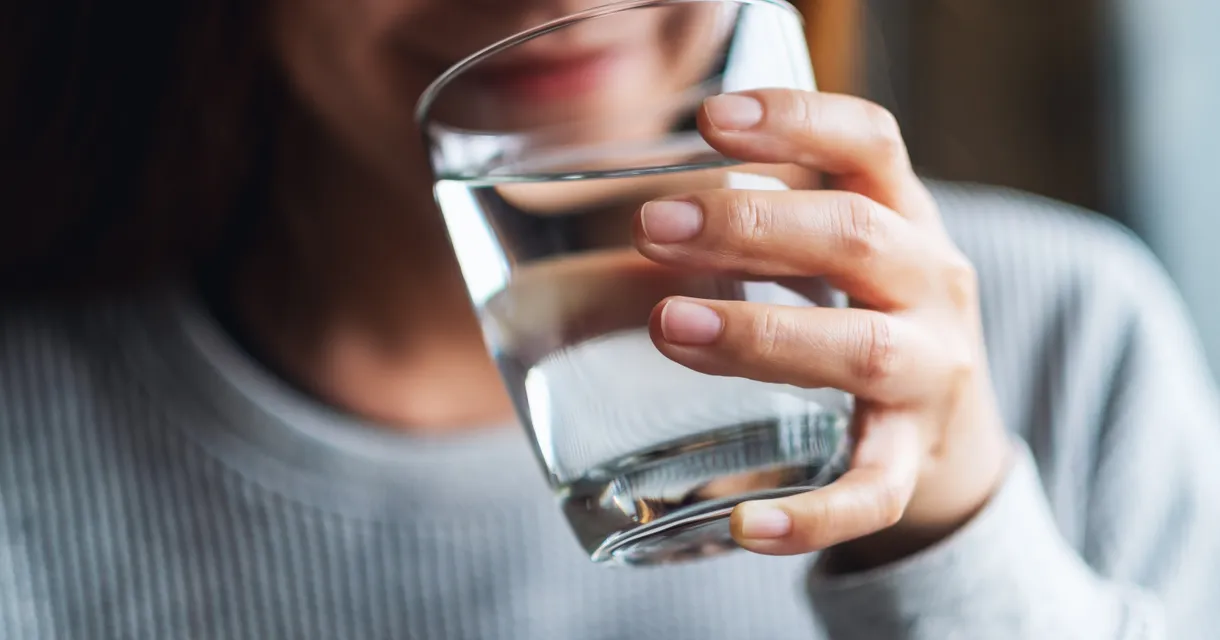
You’ve probably heard that drinking more water could help with weight loss.
But is it really that simple, or is there more going on beneath the surface?
The link between hydration and weight loss isn’t always clear, and the science doesn’t give a one-size-fits-all answer.
So, what actually happens in your body when you drink more water — and could it make a difference? Find all the answers below!
Key Takeaways
- Staying hydrated can support weight loss, but it’s not a standalone solution — it works best alongside healthy habits.
- Drinking water may help with appetite control, fullness, and reducing overall calorie intake.
- Replacing sugary drinks with water can significantly lower daily calorie intake and support a calorie deficit.
- Hydration may also play a role in metabolism, fat breakdown (lipolysis) and reducing water retention.
- Most adults should aim for 6–8 glasses of fluids daily, adjusting based on lifestyle, health and environment.
Does Being Hydrated Help You Lose Weight? [Quick Answer]
Staying hydrated can support weight loss, but it’s not a standalone solution. Drinking more water won’t directly cause weight loss on its own.
However, research suggests it may support key processes like appetite control and calorie balance. Beyond weight loss, proper hydration is essential for overall health, so maintaining good fluid intake is always a sensible step.
How Can Water and Proper Hydration Help with Weight Loss?
Water can influence weight loss in several indirect but meaningful ways. Here’s how:
1. May Increase Calorie Burn (Thermogenesis)
Drinking water may slightly increase the number of calories your body burns at rest. This is known as water-induced thermogenesis. More specifically:
- A 2013 study found that drinking water can temporarily boost metabolic rate, meaning your body uses more energy shortly after drinking it.
- Similarly, another study published in 2023 found that water consumption is associated with sympathetic activity, which increases metabolic rate and daily energy expenditure.
2. May Increase Fullness and Help Reduce Appetite & Calorie Intake
One 2018 study suggests that increased water intake before meals may help you feel fuller, which can lead to eating fewer calories.
Research from 2016 shows that pre-meal water consumption may support reduced energy intake, particularly in adults aiming to lose weight. A more recent study (2025) also showed that drinking water before meals may be an effective strategy for reducing hunger.
In simple terms, water can help you feel satisfied sooner, making portion control easier.
3. May Reduce Liquid Calorie Intake
One of the most effective ways water supports weight loss is by replacing sugary or high-calorie beverages.
Swapping soft drinks, juices or high-calorie coffees for water can significantly reduce daily calorie intake. Over time, this can help create a calorie deficit, which is essential for weight loss.
Let’s check the scientific data:
- A 2015 study found that individuals (females) who drank 250 ml of water after lunch every day while attending a 24-week weight loss program lost 13.6% more weight than individuals who consumed diet beverages.
- Another study found that replacing one sugary drink or beer per day with water was linked to greater weight loss.
If you’re unsure what to eat or drink, read our useful guides:
- What Foods Help with Weight Loss? [& What to Avoid]
- Healthy Eating Diet 101: Build a Diet That Nourishes You
4. May Support Fat Metabolism
Water is essential for a process called lipolysis, where your body breaks down fat for energy.
A 2016 mini-review found that increased water consumption led to increased lipolysis and fat loss in animal (rodent) studies. However, more research in humans is needed to confirm whether these effects apply to people as well.
5. May Help Reduce Water Retention
It may sound counterintuitive, but drinking more water can actually help reduce water retention.
When you’re dehydrated, your body tends to hold onto fluids. Proper hydration throughout the day can help your body maintain balance and flush out excess sodium and waste products.
This may lead to a reduction in temporary “water weight”, which can affect how your weight fluctuates day to day.
How Much Water Should I Drink Every Day?
According to the NHS, 6 to 8 cups or glasses of water (or liquids in general) is the recommended daily intake for most adults.
However, your exact needs can vary depending on several factors, such as:
- Your activity levels
- The weather (you may need more in hot conditions)
- Your overall health
- Pregnancy or breastfeeding
How To Increase Your Daily Water Intake
If you struggle to stay hydrated, these simple tips can help:
- Carry a reusable water bottle with you
- Set reminders or follow a simple drinking schedule throughout the day
- Drink a glass of water before each meal
- Add flavour with lemon, cucumber or mint (e.g., lemon water for a refreshing option)
- Try warm or hot water in the morning to help start your day
- Keep water nearby when working or relaxing
- Replace sugary drinks with water where possible
- Eat water-rich foods (e.g., fruits and vegetables, soups, etc.)
Hydration & Weight Loss — Conclusion
Drinking more water doesn’t directly lead to weight loss, and it shouldn’t be seen as a quick or standalone solution.
However, research suggests that proper hydration may support key processes such as appetite control, calorie intake and metabolism. These effects can make it easier to follow a structured weight loss plan.
If you’re finding it difficult to manage your weight or need structured support, you can explore Weldricks’ weight loss management service for personalised, pharmacist-led guidance tailored to your needs!
FAQs
Does staying hydrated burn belly fat?
Hydration doesn’t directly target belly fat. However, it supports metabolism, appetite control and exercise performance, which can help reduce overall body fat over time.
What are the warning signs of dehydration?
Common signs include:
- Extreme thirst
- Dark-coloured urine
- Infrequent urination
- Dry mouth
- Fatigue
- Headaches
- Dizziness
- Skin that doesn't flatten back right away after being pinched
- Sunken eyes or cheeks
Published 12th June 2026 by

Allan Green
Registered Pharmacist & Head of E-commerce
Allan has been a Registered Pharmacist for 25+ years
He specializes in Ecommerce and Over the Counter medicines.
He is a Registered Pharmacist, who studied at University of Bradford.
He has been with Weldricks since 2006, starting as a branch manager before moving into area management and deputy superintendent roles.
His current responsibilities include web development, marketing, content, customer service and web operations teams.