Obesity and incontinence: Can abdominal fat cause bladder problems?
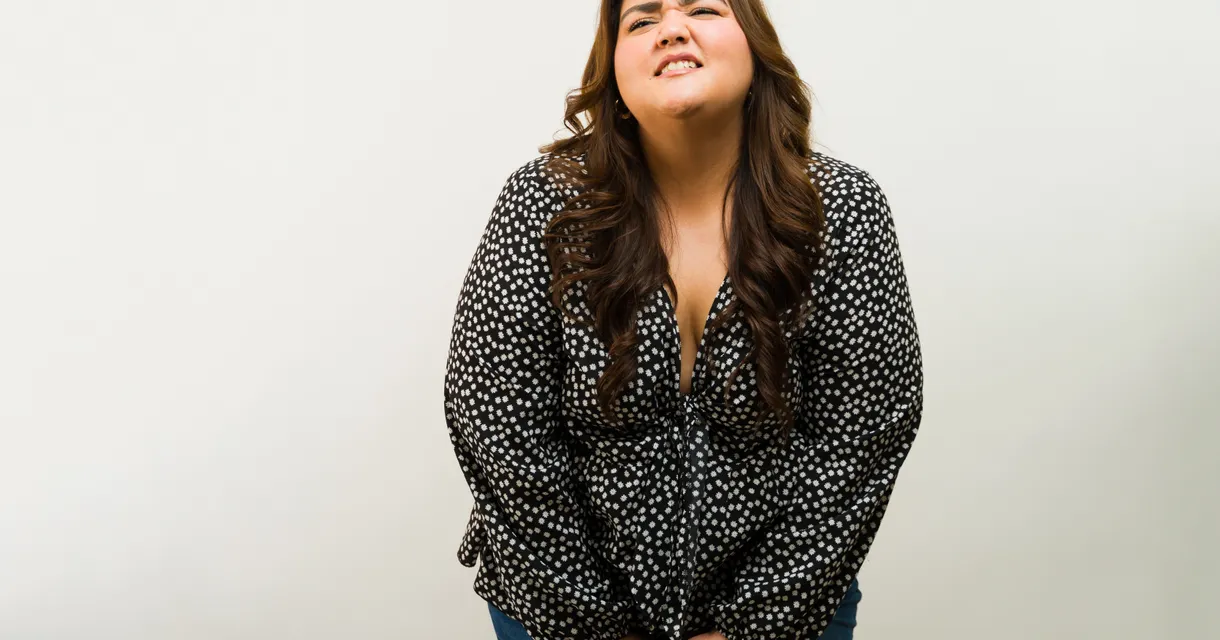
Carrying extra weight doesn’t just affect how you feel—it can also affect how your body functions. If you're overweight and noticing bladder leaks, you’re not alone.
MoliCare explains that there is a well-established link between obesity and incontinence. Increased body weight – particularly around the abdomen – can increase pressure on the bladder and pelvic floor muscles, leading to leakage. In this guide, MoliCare explores how being overweight can lead to bladder problems, the connection between obesity and diabetes, strategies for symptom management and the best bariatric incontinence pants for larger body sizes.
Key points:
- A high Body Mass Index (BMI) increases your risk of urinary incontinence.
- Abdominal fat puts pressure on the bladder and weakens pelvic support.
- Obesity can be a cause of type 2 diabetes – and both conditions can lead to incontinence.
- Even a small amount of weight loss can ease bladder issues.
- Choosing the right size incontinence products can make a big difference.
Obesity and incontinence: What is the link?
Being overweight can lead to more than just back pain or breathlessness – it can also affect how your bladder works. If you’ve been asking yourself, “Can obesity cause incontinence?” – the answer is yes. But how?
Excess body weight – particularly around the abdomen – can directly impact bladder function. Abdominal fat increases intra-abdominal pressure, pushing the bladder and pelvic floor muscles down. Over time, this pressure weakens muscle support and impairs bladder control, making leaks more likely during everyday activities like coughing, sneezing or bending.
This type of leakage is known as stress incontinence, one of the most common types linked to obesity. Other forms, such as mixed incontinence (a combination of stress and urge symptoms), also occur more frequently in individuals with a higher BMI.
Can being overweight cause incontinence?
Yes. Obesity increases the risk of other conditions that can affect bladder health, such as:
- Type 2 diabetes
- Kidney disease
- Insulin resistance
These conditions can disrupt normal bladder function. For example, diabetes can cause nerve damage that impacts your ability to feel when your bladder is full and leads to an increased thirst – leading to an increased fluid intake and more frequent trips to the toilet. As many people with type 2 diabetes are also overweight, the combined effects can impact the bladder.
Here’s how diabetes contributes to bladder problems:
- High blood sugar increases thirst and fluid intake.
- More fluid results in more frequent urination, sometimes urgently.
- Over time, diabetes can damage the nerves that control bladder function.
Gestational diabetes during pregnancy can also increase the risk of incontinence due to a larger baby size and added pressure on the bladder.
Urethral movement and muscle weakness
Alongside pressure, obesity can cause urethral hypermobility. This condition is where the urethra shifts from, moving out of its usual position due to weakened pelvic floor support. This shift makes it more likely for urine to leak during physical movements, such as laughing, coughing or lifting.
Excess body fat can also affect how the bladder muscles behave. In some cases, it causes the detrusor muscles in the bladder wall to contract unexpectedly. This leads to urge urinary incontinence (UUI), where you feel a sudden, strong urge to urinate - sometimes without much warning.
Keeping track of your symptoms
If you’re unsure about what is causing your bladder symptoms, it can be useful to keep a symptom journal. Consider noting down:
- How often you go to the toilet
- When leaks occur (day or night)
- What activity you were doing just before the leak
- What you had to drink beforehand
- Any medications or diet changes
Over time, this kind of tracking can build a picture of the symptoms, enabling you or a healthcare professional to identify patterns and determine the underlying cause. With the right treatment plan – whether that’s weight loss, lifestyle changes or product support – you can take control of your bladder again.
Can losing weight help?
Yes. Weight loss has been shown to make a noticeable difference. Even small changes in diet and activity can ease pressure on the bladder and improve control. Even small weight changes can help reduce pressure on your bladder. You don’t need a gym membership – a short walk, light stretching, or everyday movements all count. If you’re just starting out, go at your own pace.
Consider adding Kegel exercises for men or Kegel exercises for women into your daily routine. These targeted exercises strengthen the pelvic floor muscles that support the bladder, helping to improve bladder control and reduce leakage.
Consider your diet and fluid intake
If you’re managing both diabetes and incontinence, what you eat and drink matters. Certain foods and drinks can irritate the bladder or raise blood sugar levels too high, such as:
- Caffeine
- Fizzy drinks
- Citrus
- Alcohol
- Foods high in sugar or spices
Drink enough water throughout the day to stay well hydrated, but try to reduce your fluid intake close to bedtime to limit night-time urination.
Bladder training
Bladder training is a behavioural technique that can improve bladder control by going to the toilet on a set schedule then gradually increasing the time between toilet visits. The aim is to strengthen the bladder muscles, improving the ability of the bladder to hold larger volumes of urine for longer periods. Tracking your habits in a bladder diary can help spot patterns and monitor progress.
Distraction strategies to reduce the sense of urgency can be used in between visits, such as:
- Taking deep breaths or sitting still.
- Distracting yourself with a different task.
- Doing short, rapid pelvic floor squeezes when the urge hits.
By taking these steps, you can reduce symptoms, regain control and feel more comfortable.
Lifestyle changes that help
Managing obesity and incontinence doesn’t mean turning your life upside down. These small changes can make a big difference:
- Drink water during the day, but reduce fluids before bed, and embrace bladder-friendly drinks where possible.
- Cut down on caffeine, fizzy drinks, alcohol and other foods and drinks that irritate the bladder.
- Get moving – walking is enough to start
- Focus on gradual, healthy weight loss
Remember, even a small reduction in body weight can ease pressure on the bladder and reduce leaks.
FAQs
What types of incontinence are most common in people with obesity?
Stress urinary incontinence is most common, caused by pressure on the bladder during movement. Urge incontinence and mixed incontinence (a combination of stress and urge) are also frequently seen in those who are overweight or obese.
Can losing weight help reduce incontinence symptoms?
Yes, even a modest weight loss of 5–10% of body weight can significantly reduce the frequency and severity of urinary leakage. It helps relieve pressure on the bladder and strengthens overall pelvic support.
Are people who are obese more likely to experience night-time incontinence (nocturnal enuresis)?
Yes, obesity increases the risk of night-time incontinence due to increased pressure on the bladder. Additionally, obesity is linked to other conditions, such as sleep apnoea and type 2 diabetes, which can further contribute to nocturnal bladder control issues.
FAQs
What types of incontinence are most common in people with obesity?
Stress urinary incontinence is most common, caused by pressure on the bladder during movement. Urge incontinence and mixed incontinence (a combination of stress and urge) are also frequently seen in those who are overweight or obese.
Can losing weight help reduce incontinence symptoms?
Yes, even a modest weight loss of 5–10% of body weight can significantly reduce the frequency and severity of urinary leakage. It helps relieve pressure on the bladder and strengthens overall pelvic support.
Are people who are obese more likely to experience night-time incontinence (nocturnal enuresis)?
Yes, obesity increases the risk of night-time incontinence due to increased pressure on the bladder. Additionally, obesity is linked to other conditions, such as sleep apnoea and type 2 diabetes, which can further contribute to nocturnal bladder control issues.
Published 24th June 2026 by

Allan Green
Registered Pharmacist & Head of E-commerce
Allan has been a Registered Pharmacist for 25+ years
He specializes in Ecommerce and Over the Counter medicines.
He is a Registered Pharmacist, who studied at University of Bradford.
He has been with Weldricks since 2006, starting as a branch manager before moving into area management and deputy superintendent roles.
His current responsibilities include web development, marketing, content, customer service and web operations teams.
Related Products
-
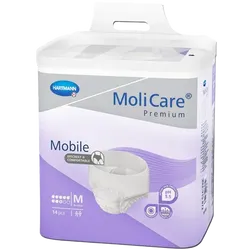
MoliCare Premium Mobile Medium Pack of 14 £12.19 save £2.10
-
MoliCare Moist Skin Care Tissues Pack of 50 £2.99 save £2.60
-
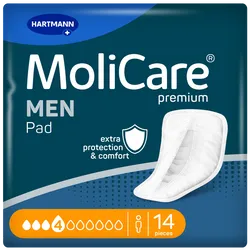
MoliCare Premium Men Pad 4 Drops Pack of 14 £4.79 save £1.20
-
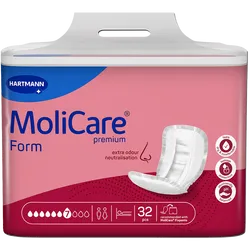
MoliCare Premium Form Pads 7 Drops Pack of 32 £15.98 save £3.21
-
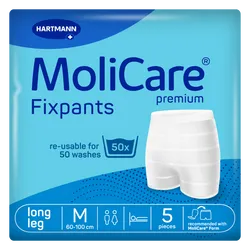
MoliCare Premium Fixpants Long Leg Medium Pack of 5 £4.59 save £0.10
-
MoliCare Pad 3 Drops Pack of 30 £6.89 save £0.60
-
MoliCare Premium Lady Pads Pack of 14 £4.49 save £1.00