Do Fat Burners Actually Work? The Truth About Their Effectiveness
In this guide
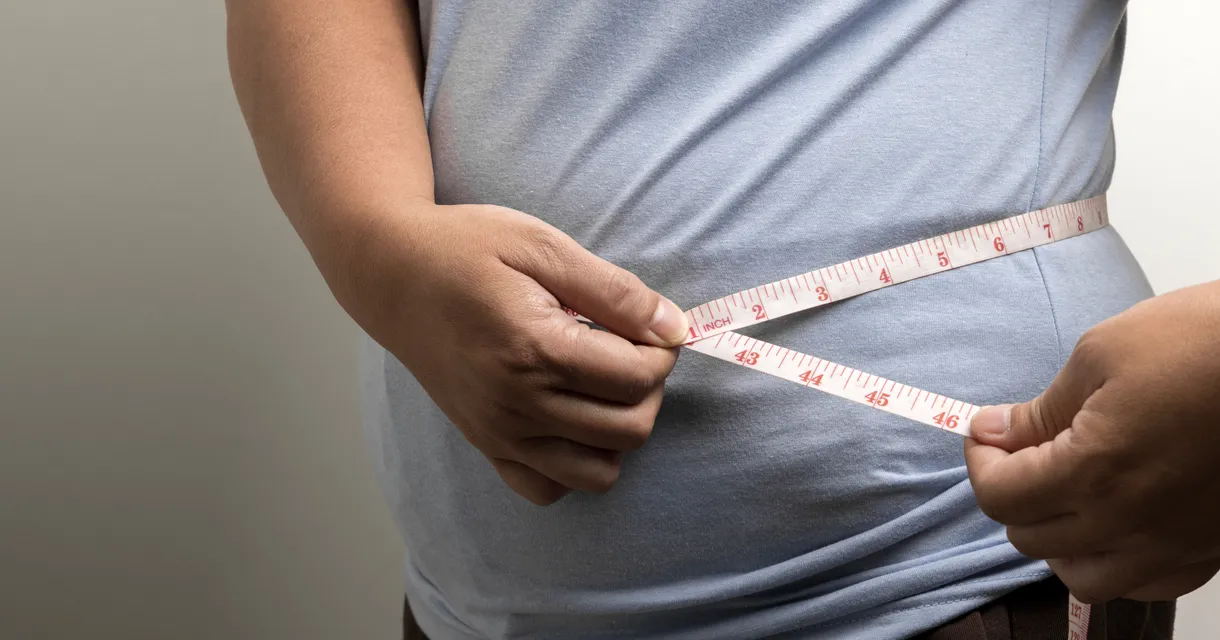
Fat burners are often marketed as a quick and easy way to lose weight, promising faster results with less effort. But do fat burners actually work?
Let’s take a closer look at what they really do and whether they live up to the claims.
Quick Overview
- Fat burners are supplements that claim to support weight loss through mechanisms like thermogenesis, lipolysis, and appetite suppression.
- Scientific evidence on their effectiveness is limited and mixed.
- Common ingredients in fat burners include caffeine, green tea extract, L-carnitine, and glucomannan.
- Glucomannan is one of the few ingredients with an authorised health claim — but only when used alongside a calorie-controlled diet.
- Sustainable fat loss is best achieved through diet, exercise, and quality sleep, not quick-fix supplements.
What Are Fat Burners & How Do They Work?
Fat burners are dietary supplements designed to support weight loss. They typically contain a mix of ingredients such as caffeine, plant extracts, amino acids, or vitamins.
They are often described as working through several mechanisms. These are theoretical or claimed effects, not guaranteed outcomes. Let’s see the mechanisms through which they claim to work:
- They increase metabolism (thermogenesis) – raising the number of calories your body burns at rest through increased heat production.
- They promote fat breakdown (lipolysis) – supporting the breakdown of stored fat into fatty acids that may be used for energy.
- They suppress appetite – helping reduce overall calorie intake.
- They block fat or carbohydrate absorption – limiting how many calories are absorbed from food.
- They improve energy levels – increasing alertness, which may support physical activity.
While some of these mechanisms have limited scientific support, the overall effectiveness of fat burners remains uncertain, particularly when used without broader lifestyle changes.
Do Fat Burners Actually Work?
The short answer is: we don’t fully know yet, as the available evidence is still limited and mixed.
Despite their name, fat burners don’t make fat cells simply “disappear”. Instead, they claim to support weight loss indirectly, often by influencing metabolism, energy levels, or appetite.
However, scientific evidence on their effectiveness is mixed. Some ingredients may have a small, short-term effect (such as slightly increasing calorie burn), but these changes are usually modest and unlikely to lead to significant fat loss on their own.
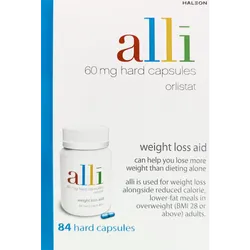
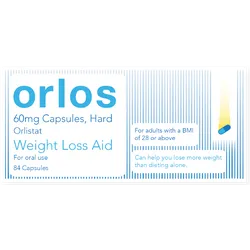
If you’re considering medical approaches, it may be more useful to understand how weight loss medications work, which are clinically regulated and prescribed when appropriate.
Common Ingredients in Fat Burners
1. Caffeine
Caffeine stimulates the central nervous system, increasing alertness and temporarily raising energy expenditure. It is one of the most common ingredients in fat burners.
What it’s claimed to do:
- Support fat burning
- Increase overall calorie expenditure
What to keep in mind:
- There is limited evidence that this leads to meaningful or sustained weight loss.
- These effects are usually short-term and relatively small.
- May cause side effects such as jitteriness, increased heart rate, anxiety, or sleep disturbance.
Read also: Which Coffee Is Best For Weight Loss? A Science-Based Guide.
2. Green Tea Extract
Green tea extract contains catechins and caffeine, which are involved in energy metabolism.
What it’s claimed to do:
- Support fat metabolism
- Enhance fat oxidation
3. L-Carnitine
L-carnitine is an amino acid found in many types of meat and dairy products. Your liver and kidneys make it naturally.
What it’s claimed to do:
- Support the use of stored fat for energy (lipolysis-related processes)
What to keep in mind:
- There is not enough strong evidence to show it leads to significant fat loss in otherwise healthy individuals.
- Effects may depend on individual factors such as diet and activity levels.
- Possible side effects include mild nausea or digestive discomfort.
4. Glucomannan
Glucomannan is a soluble fibre that absorbs water and expands in the stomach, contributing to a feeling of fullness.
Authorised health claim (conditions of use):
- The claim may be used only for food which contains 1 g of glucomannan per quantified portion. In order to bear the claim, information shall be given to the consumer that the beneficial effect is obtained with a daily intake of 3 g of glucomannan in three doses of 1 g each, together with 1-2 glasses of water, before meals, and in the context of an energy-restricted diet.
What this means in practice:
- It can help you lose weight when combined with a calorie-controlled diet.
- It works by increasing satiety, which may help reduce overall calorie intake.
What to keep in mind:
- The effect depends on maintaining an energy-restricted diet.
- Must be taken with sufficient water to avoid choking risk.
- May cause bloating, gas, or digestive discomfort.
How to Burn Fat Naturally
Rather than relying on supplements alone, evidence consistently supports lifestyle-based approaches that work together over time:
1. Maintain a Calorie Deficit
Fat loss occurs when your body consistently uses more energy than it takes in. This doesn’t necessarily mean extreme dieting, as small, sustainable adjustments to portion sizes and food choices are often more effective long-term.
Tracking intake or being mindful of high-calorie foods can help create a manageable calorie deficit without feeling overly restrictive.
2. Eat a Healthy, Balanced Diet
Nutrition plays a key role in weight loss. A balanced diet that includes whole foods (such as vegetables, fruits, lean protein, and healthy fats) can support satiety and overall health.
Protein, in particular, may help you feel fuller for longer, which can make it easier to manage calorie intake.
Reducing highly processed foods and sugary drinks can also support long-term fat loss efforts.
If you’re unsure where to start, explore this guide on what foods help with weight loss for practical tips and food choices that can support your goals!
3. Exercise Regularly
Physical activity helps increase energy expenditure and supports overall metabolic health.
A combination of cardiovascular exercise (such as walking, running, or cycling) and strength training is often recommended, as building muscle can help maintain a higher metabolic rate over time.
You can also read:
4. Improve Sleep Quality
Sleep plays an important role in regulating hormones that influence hunger and appetite, such as ghrelin and leptin.
Poor sleep may increase cravings and make it harder to maintain healthy habits. A consistent sleep routine and good sleep hygiene can support better weight management outcomes.
Learn more about how sleep affects weight loss in our guide.
The Truth About Fat Burners — Conclusion
Fat burners are often marketed as a way to support weight loss, typically by influencing processes such as metabolism, appetite, or energy levels.
However, current evidence remains limited and mixed, and any effects observed are generally small and short-term.
Importantly, these products do not directly eliminate body fat, and their effectiveness largely depends on being used alongside broader lifestyle changes.
If you’re considering extra support, explore Weldricks’ weight loss management service for a more structured and personalised approach to weight management!
Published 18th August 2026 by

Allan Green
Registered Pharmacist & Head of E-commerce
Allan has been a Registered Pharmacist for 25+ years
He specializes in Ecommerce and Over the Counter medicines.
He is a Registered Pharmacist, who studied at University of Bradford.
He has been with Weldricks since 2006, starting as a branch manager before moving into area management and deputy superintendent roles.
His current responsibilities include web development, marketing, content, customer service and web operations teams.