How To Get Rid of Perioral Dermatitis Overnight: An Expert Guide
In this guide
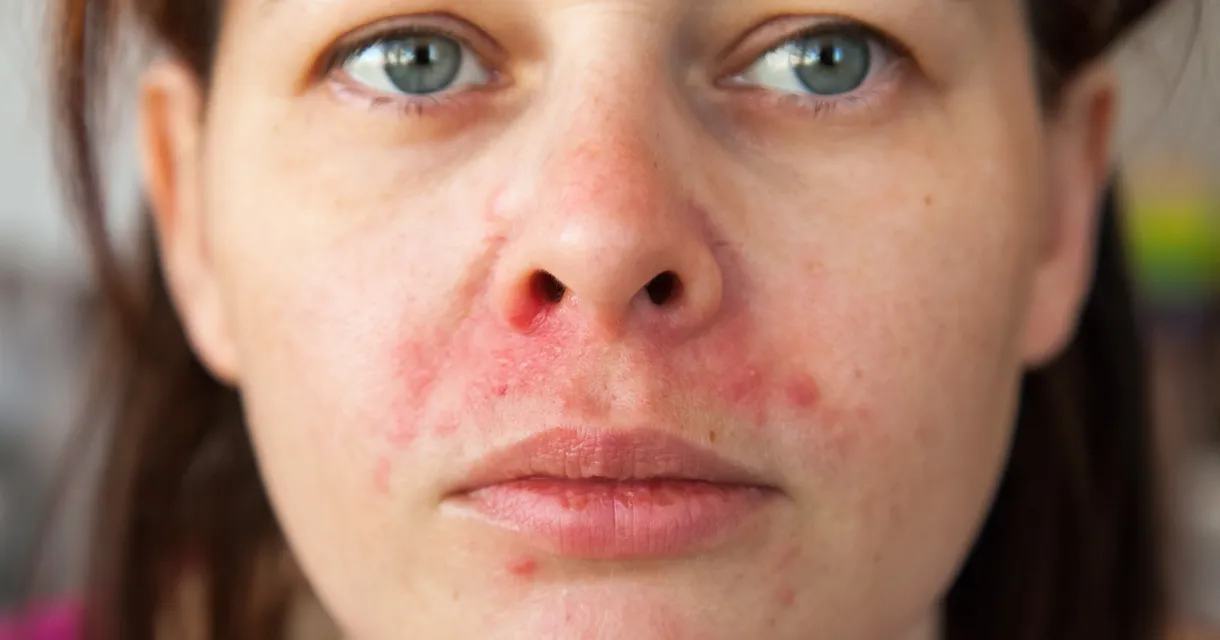
Perioral dermatitis can be frustrating, especially when it appears suddenly around the mouth, nose, or chin.
While there’s no true “overnight cure”, the right treatment approach can help you calm the skin quickly and support long-term healing.
Read on to learn more about perioral dermatitis and how to get rid of it fast!
At a Glance
- There is no true overnight cure for perioral dermatitis, but the right treatment approach can help calm symptoms quickly and support long-term healing.
- Effective treatments include stopping steroid use, simplifying your skincare routine, using gentle barrier-supporting products, and, in some cases, medical treatments such as topical or oral antibiotics.
- Identifying and avoiding triggers — such as harsh skincare, heavy creams, or irritants — is essential for faster recovery and preventing flare-ups.
- Healing happens gradually in stages, and symptoms may temporarily shift or worsen before improving.
- Consistency is key: a gentle, minimal routine and patience are crucial for restoring your skin barrier and maintaining clear, healthy skin.
What Is Perioral Dermatitis?
Perioral dermatitis (POD) is a skin condition that causes a red, bumpy rash around the mouth, and less often, around the nose or eyes. It often appears as small, inflamed spots, sometimes mistaken for acne or eczema.
The skin may feel dry, irritated, or sensitive. Although it can look similar to other skin issues, it requires a different treatment approach to heal effectively.
Read also: Struggling With Eczema? Creams & Moisturisers That Actually Help.
What Causes Perioral Dermatitis?
Common triggers include:
- Overuse of topical steroid creams
- Heavy or occlusive skincare products (such as thick moisturisers containing paraffin or petroleum jelly)
- Fluoride toothpaste
- Hormonal changes (including those caused by oral contraceptives)
- Harsh cleansers or exfoliants
- Makeup or sunscreen irritation
- Stress and environmental factors
- Allergic reactions
- Immune system problems (by the way, see how to boost your immune system)
Some of these triggers overlap with other skin conditions. If you're unsure, our guide on what causes acne can help you understand the differences.
What Are the Main Symptoms of Perioral Dermatitis?
Typical symptoms include:
- Red rash around the mouth, nose, or chin
- Small inflamed bumps or spots
- Flesh-coloured bumps in people with darker skin tones
- Dry, flaky, or peeling skin
- Burning or stinging sensation
- Itchy rash in some cases
Where Does Perioral Dermatitis Usually Appear?
Typical locations include:
- Around the mouth (the most common area)
- Around the nose (nasolabial folds)
- Chin and lower face
- Around the eyes (periocular dermatitis)
In many cases, the skin directly around the lips remains unaffected, creating a clear border between the lips and the rash; this is a key sign that helps distinguish perioral dermatitis from other skin conditions.
How to Treat Perioral Dermatitis Fast
1. Stop Using Steroid Creams
Topical steroids (both prescription and over-the-counter) are one of the most common causes of perioral dermatitis. Stopping them can initially worsen symptoms (known as “rebound flare”), but it’s a crucial step for long-term improvement.
Steroids that may contribute to perioral dermatitis include:
- Topical steroid creams or ointments used on the face
- Nasal steroid sprays (used for allergies)
- Inhaled steroids (commonly used for asthma)
- Steroid-containing skin treatments or combination creams
2. Simplify Your Skincare (“Zero Therapy”)
Reducing your skincare routine to the basics can help your skin recover. Here’s how to do that:
- Use a gentle, fragrance-free cleanser or wash your face only with lukewarm water.
- Avoid active ingredients like acids or retinoids.
- Skip heavy creams and oils.
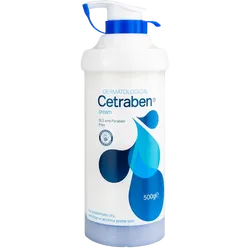
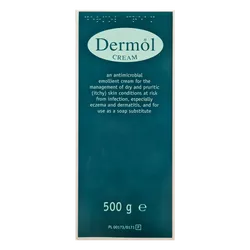
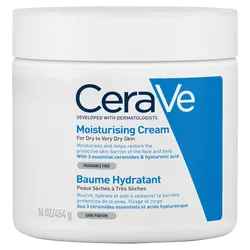
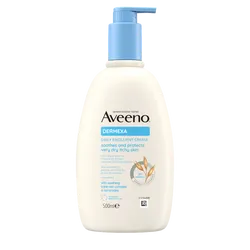
3. Use Gentle Barrier-Supporting Products
Protecting your skin barrier can reduce irritation and support healing. Such products can strengthen your skin’s natural barrier.
Take a look at the best barrier creams for 2026, designed to soothe and protect compromised skin!
4. Try Topical Treatments (e.g., Azelaic Acid)
Topical treatments such as azelaic acid or antibiotic creams may help reduce inflammation and improve the appearance of the rash.
These are often recommended for mild to moderate cases of perioral dermatitis and can be prescribed or suggested by a pharmacist.
5. Take Oral Antibiotics (for Moderate to Severe Cases)
If symptoms are persistent or severe, a GP may prescribe oral antibiotics to reduce inflammation.
This is often the most effective way to clear perioral dermatitis when topical treatments are not enough.
Examples of oral antibiotics to help with perioral dermatitis include:
- Doxycycline
- Minocycline
- Erythromycin
6. Avoid Known Irritants
Avoiding common triggers is essential for faster recovery:
- Switch to a gentle toothpaste (free from SLS/sodium lauryl sulfate).
- Avoid fragranced products.
- Reduce makeup use temporarily.
Read also: Tried Everything for Acne? Acne Treatments That Make a Difference.
How to Prevent Perioral Dermatitis
- Avoid overusing steroid creams
- Stick to a simple skincare routine
- Choose non-comedogenic, fragrance-free products
- Avoid harsh exfoliation
- Patch-test new products before use
- Keep skin hydrated but not overloaded with products
- Protect your skin from harsh sun or extreme heat
- Wash pillowcases and towels frequently
- Manage stress (see the best supplements for stress relief)
Signs Perioral Dermatitis Is Healing: Key Phases
Stage 1: Early Healing
- Reduced redness and inflammation
- Less irritation and sensitivity
- Fewer active bumps
- Skin peeling or flaking (this is a normal part of the healing process)
Stage 2: Visible Improvement
- Temporary shifting or spreading of spots to nearby areas
- Noticeably fewer bumps and breakouts
- Reduced itching, burning, or stinging sensations
- Smoother skin texture
- Less dryness and flaking
Stage 3: Recovery & Skin Normalisation
- Most or all bumps have cleared
- Redness continues to fade
- Skin barrier feels stronger and less reactive
- Fewer flare-ups or triggers
Perioral Dermatitis Treatment — The Bottom Line
While you can’t truly get rid of perioral dermatitis overnight, you can significantly reduce symptoms quickly by removing triggers, simplifying your routine, and using the right treatments. Consistency is key to long-term results.
If you’re looking for gentle and effective solutions, explore our range of trusted skin care products to support your skin’s recovery and overall health!
FAQs
Can perioral dermatitis heal on its own?
In some mild cases, it may improve if triggers are removed. However, most cases benefit from treatment. Keep in mind that sometimes the rash can recur.
How long does perioral dermatitis last?
It can last several weeks to months, depending on severity and treatment.
Is perioral dermatitis contagious?
No, it is not contagious and cannot be passed from person to person. It is an inflammatory skin condition, not an infection.
What can be mistaken for perioral dermatitis?
It can be confused with acne, rosacea, or eczema. Proper diagnosis is important for effective treatment.
What is “zero therapy”?
Zero therapy involves stopping all skincare products except the essentials, allowing the skin barrier to repair naturally.
Published 9th June 2026 by
Allan Green
Registered Pharmacist & Head of E-commerce
Allan has been a Registered Pharmacist for 25+ years
He specializes in Ecommerce and Over the Counter medicines.
He is a Registered Pharmacist, who studied at University of Bradford.
He has been with Weldricks since 2006, starting as a branch manager before moving into area management and deputy superintendent roles.
His current responsibilities include web development, marketing, content, customer service and web operations teams.