Postpartum Recovery Guide: What to Expect & All the Essentials
In this guide

Becoming a mother is a life-changing experience, but recovery after birth is often overlooked. Whether you've had a natural birth or a caesarean section (C-section), your body and mind need time to heal, adjust and regain strength.
This comprehensive postpartum recovery guide explains what to expect during the postnatal period, how long recovery typically takes, practical recovery tips, and all the essentials every new mum should consider.
Key Takeaways
- Postpartum recovery is a gradual process that involves physical healing, hormonal adjustment and emotional recovery after childbirth.
- Most women experience significant improvement within 6 weeks, but complete recovery can take several months and, in some cases, up to a year.
- Recovery timelines vary depending on factors such as vaginal birth vs C-section, breastfeeding, sleep quality, and overall health.
- A well-prepared postpartum recovery kit can help make the early weeks more comfortable and manageable for new mums.
- Good nutrition, hydration, rest and gentle movement play an important role in supporting healing and restoring energy levels.
What Is Postpartum?
The term postpartum (or postnatal) refers to the period immediately after childbirth (also known as the 4th trimester) when a woman's body begins transitioning from pregnancy back towards its pre-pregnancy state.
What Is Postpartum Recovery?
Postpartum recovery is the healing process that takes place after giving birth. It involves:
- Uterus shrinking back to its normal size
- Healing of tears, stitches or surgical incisions
- Recovery of pelvic floor muscles
- Hormonal regulation
- Breastfeeding adaptation
- Emotional and psychological adjustment
- Gradual return of strength and energy
How Long Does Postpartum Recovery Take?
While many healthcare providers consider the first 6 weeks to be the primary recovery period, healing doesn't stop there.
Here’s a general postpartum recovery timeline:
|
Recovery stage |
Typical duration |
|
Immediate postpartum recovery |
First 24 hours |
|
Early recovery |
Weeks 1-2 |
|
Significant physical healing |
Weeks 3-6 |
|
Continued recovery |
Months 2-6 |
|
Long-term recovery |
Up to 12 months |
Factors affecting recovery include:
- Vaginal birth vs C-section
- Presence of tears or stitches
- Breastfeeding
- Sleep quality
- Nutrition
- Physical activity levels
- Pre-existing health conditions
Postpartum Recovery Timeline: What to Expect Week by Week
Postpartum Recovery: Week 1
The first week is usually the most physically demanding.
|
Common Physical Changes After Vaginal Birth |
Common Physical Changes After a C-Section |
Common Emotional & Hormonal Changes |
|
Heavy lochia bleeding, soreness, swelling, possible tear pain |
Incision pain, difficulty standing upright, fatigue, lochia |
Mood swings, overwhelm, tearfulness, anxiety |
|
Uterine cramping as the uterus contracts |
Limited mobility and abdominal tenderness |
Sleep deprivation begins |
|
Pelvic floor weakness |
Need for assistance with lifting and movement |
Emotional adjustment to motherhood |
Postpartum Recovery: Week 2
|
Common Physical Changes After Vaginal Birth |
Common Physical Changes After a C-Section |
Common Emotional & Hormonal Changes |
|
Reduced swelling and discomfort |
Incision healing continues |
Confidence may improve |
|
Lighter lochia |
Less pain when moving |
Baby blues may still occur |
|
Improved mobility |
Walking becomes easier |
Increased emotional sensitivity |
Postpartum Recovery: Weeks 3-4
|
Common Physical Changes After Vaginal Birth |
Common Physical Changes After a C-Section |
Common Emotional & Hormonal Changes |
|
Lochia often becomes lighter in colour |
Scar healing continues |
More stable mood patterns |
|
Pelvic floor gradually strengthens |
Improved mobility |
Adjustment to routines |
|
Reduced perineal pain |
Less reliance on pain relief |
Ongoing sleep-related fatigue |
Postpartum Recovery: Weeks 5-6
|
Common Physical Changes After Vaginal Birth |
Common Physical Changes After a C-Section |
Common Emotional & Hormonal Changes |
|
Most tears largely healed |
Incision significantly improved |
Greater emotional resilience |
|
Improved energy levels |
Gentle exercise may be approved |
Improved confidence |
|
Reduced bleeding |
Core weakness may persist |
Continued adaptation to parenthood |
Postpartum Recovery Essentials: Your Complete Checklist
Building a postpartum recovery kit before birth can make the first weeks significantly easier. Let’s take a closer look at what you need during this after-birth period:
Bathroom & Hygiene Must-Haves
- Maternity pads
- Disposable underwear
- Peri bottle
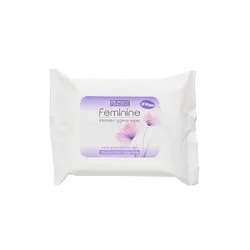
- Postpartum recovery wipes
- Ice packs or cooling pads
- Sitz bath products
- Breast pads
- Stool softeners
Essential Vitamins & Supplements
- Postnatal multivitamins
- Vitamin D
- Vitamin C
- Iron (as advised by your healthcare provider)
- Omega-3
- Calcium
Read also: The Most Important Vitamins for Pregnancy: Essential Prenatal Guide.
Comfortable Clothing
- Nursing bras
- Loose pyjamas
- Button-down tops or shirts (for easy breastfeeding and skin-to-skin contact)
- High-waisted underwear
- Soft dressing gown
- Comfortable slippers
Skin Care Products
- Gentle body moisturiser
- Stretch mark cream or oil
- Fragrance-free cleanser
- Nipple cream or balm
- Hydrating hand cream
Baby & Feeding Essentials
- Feeding pillow
- Water bottle
- Healthy snacks
- Muslin cloths
- Breast pump (if required)
If you're planning to breastfeed or combination feed, having the right products ready before your baby's arrival can help make feeding more comfortable and convenient.
Explore Weldricks' range of breastfeeding essentials to find practical products for both mum and baby!
Nutrition, Hydration & Postpartum Recovery Diet
Nutrition plays a crucial role in healing, breastfeeding support and energy restoration.
Focus on:
- Lean proteins
- Oily fish
- Whole grains
- Fruit and vegetables
- Healthy fats
- Adequate hydration
More specifically, excellent postpartum recovery food choices include:
- Eggs
- Salmon
- Greek yoghurt
- Oats
- Leafy greens
- Lentils
- Nuts and seeds
What to Limit or Avoid
While there are few foods that new mums need to avoid completely, certain products may slow recovery, worsen common postpartum symptoms or affect comfort levels, particularly during breastfeeding.
Consider limiting:
- Highly processed foods: Often high in salt, sugar and unhealthy fats, these foods may offer little nutritional value during recovery.
- Sugary snacks and drinks: Excess sugar can contribute to energy crashes and make it harder to maintain stable energy levels throughout the day.
- Excess caffeine: Large amounts of caffeine may affect sleep quality and can sometimes make breastfed babies more irritable or restless.
- Alcohol: If you are breastfeeding, follow current healthcare guidance regarding alcohol consumption and feeding timings.
- Very spicy foods (if problematic): While generally safe, some women find that spicy foods worsen digestive discomfort during the early postnatal weeks.
Read also: Constipation in Pregnancy: What Works for You & The Baby.
Postpartum Recovery Exercise: When Can You Start?
Exercise should be introduced gradually, as the pelvic floor, abdominal muscles and connective tissues need time to recover following pregnancy and delivery. Suitable early activities include:
- Gentle walking
- Deep breathing exercises
- Pelvic floor exercises
- Light stretching
More intensive postpartum recovery exercise programmes should only begin once approved by your healthcare professional.
Pharmacist explains: Remember that postpartum recovery and weight loss should never be rushed. The priority is healing, not returning to a pre-pregnancy body as quickly as possible.
Postpartum Recovery: Tips for Faster Healing
While there is no guaranteed method for quick recovery, these strategies can support healing:
- Follow the 5-5-5 rule: Spend the first 5 days resting in bed, the next 5 days around the bed, and the following 5 days moving gently around the house.
- Lie down regularly: Short periods of rest throughout the day can help reduce pelvic floor pressure and fatigue.
- Use the log roll technique: After a C-section, roll onto your side before sitting up to protect your abdominal muscles.
- Apply ice packs: Use a wrapped ice pack during the first 24-48 hours to help ease swelling and soreness.
- Use a peri bottle: Warm water can help reduce stinging when urinating and keep the area clean.
- Eat fibre-rich foods: Whole grains, fruit, vegetables and legumes can help prevent postpartum constipation.
- Stay hydrated: Drink plenty of fluids, especially if you are breastfeeding.
- Accept support: Let family and friends help with household tasks while you focus on recovery.
- Look after your mental health: Seek professional support if feelings of sadness, anxiety or overwhelm persist.
When Should You Contact a Healthcare Professional?
Seek medical advice immediately if you experience:
- Heavy bleeding or large blood clots
- Fever
- Severe pain
- Worsening wound redness
- Foul-smelling discharge
- Chest pain
- Difficulty breathing
- Symptoms of postnatal depression
Postpartum Recovery Guide — Summary
Every postpartum recovery journey is unique, so give yourself time, patience and support as your body heals and adapts to life with your new baby.
To help make the postnatal period more comfortable and manageable, explore Weldricks’ trusted mother and baby products!
FAQs
What is the hardest stage of postpartum?
Many women find the first two weeks the most challenging due to physical discomfort, hormonal fluctuations, sleep deprivation and adjusting to caring for a newborn. However, experiences vary significantly from person to person.
Is postpartum harder than pregnancy?
For some women, yes. While pregnancy brings physical changes, postpartum recovery combines healing, hormonal shifts, sleep disruption and the demands of caring for a baby simultaneously, which many find more challenging.
Is it normal to still have bleeding after one month postpartum?
Light bleeding or discharge can continue for several weeks after birth. However, heavy bleeding, increasing blood loss or large blood clots should always be assessed by a healthcare professional.
Published 24th June 2026 by

Allan Green
Registered Pharmacist & Head of E-commerce
Allan has been a Registered Pharmacist for 25+ years
He specializes in Ecommerce and Over the Counter medicines.
He is a Registered Pharmacist, who studied at University of Bradford.
He has been with Weldricks since 2006, starting as a branch manager before moving into area management and deputy superintendent roles.
His current responsibilities include web development, marketing, content, customer service and web operations teams.