The Most Important Vitamins for Pregnancy: Essential Prenatal Guide
In this guide

During pregnancy, your body works harder than ever to support both your own health and your baby’s development. A healthy diet is the best way to get all the essential vitamins and minerals, but this is not always easy.
That’s why you should maybe consider taking supplements to fill any gaps. Below, we’ll explore the most important vitamins for pregnancy, which to avoid, and how to make sure you’re getting everything you and your baby need.
The Best Prenatal Vitamins & Minerals [At a Glance]
According to the NHS, the most essential vitamins before or during pregnancy are:
- Folic acid
- Vitamin D
- Vitamin C
- Calcium
- Iron
Let’s look at each of them in more detail.
1. Folic Acid
Folic acid (vitamin B9) is one of the most important vitamins during early pregnancy.
It helps your baby’s brain and spinal cord develop properly, reducing the risk of neural tube defects, such as spina bifida.
How & When to Take Folic Acid Supplements
- Take a 400 micrograms folic acid tablet every day before you’re pregnant and until you’re 12 weeks pregnant.
- If your pregnancy has a higher chance of being affected by neural tube defects (due to family history, diabetes, anti-epilepsy medicine, etc.), you may need to take a higher dose of folic acid (5 milligrams). Speak with your GP to adjust the dose.
Other Sources of Folic Acid (Folate)
- Dark leafy greens (spinach, kale, broccoli, Brussels sprouts)
- Citrus fruits (oranges, lemons)
- Beans and lentils
- Fortified cereals and breads
- Eggs
- Nuts and seeds
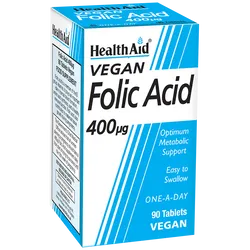
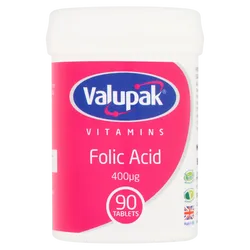
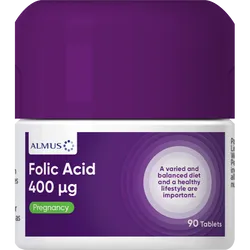
Browse all our folic acid supplements:
2. Vitamin D
Vitamin D supports healthy bones, teeth, and muscles in both the mother and the baby by allowing your body to absorb calcium and phosphorus efficiently.
Low vitamin D levels during pregnancy can cause bone pain, muscle weakness, cramps, and more.
Read also: The Surprising Benefits of Vitamin D.
How & When to Take Vitamin D Supplements
- Vitamin D supplementation is needed from September until March. During these months, our body can’t make sufficient amounts of this vitamin from sunlight, which is the main source of vitamin D.
- Pregnant and breastfeeding women should take 10 micrograms of vitamin D every day between these months.
Other Sources of Vitamin D
- Sunlight
- Oily fish (salmon, mackerel, sardines, herring)
- Fortified foods (dairy milk, margarine, cereals, soy)
- Eggs (especially yolks)
- Mushrooms
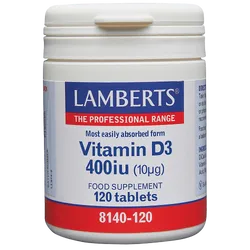
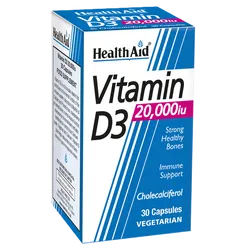
Explore all our vitamin D supplements:
-
Lamberts D3 400iu Tablets Pack of 120 £5.98 save £2.97
-
HealthAid Vitamin D3 20,000iu Vegicaps 30 Capsules £12.98 save £5.01
-
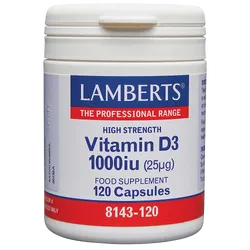
Lamberts Vitamin D3 1000iu Capsules Pack of 120 £9.49 save £4.01
-
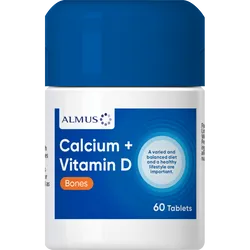
Almus Calcium & Vitamin D Tablets Pack of 60 £1.69 save £0.30
-
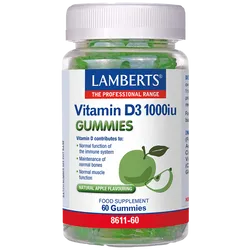
Lamberts Vitamin D3 1000iu Gummies Pack of 60 £9.09 save £3.86
3. Vitamin C
One of the most essential pregnancy vitamins is vitamin C (ascorbic acid), as it:
- Boosts the immune system (which is extremely crucial during pregnancy, when your body’s defences are naturally lower).
- Promotes healthy skin, teeth, and cartilage.
- Supports the normal function of blood vessels.
- Helps the body to absorb iron more efficiently.
- Protects cells from oxidative stress.
Read also: Vitamin C Benefits: Skin, Immunity & Everyday Energy.
How to Take Vitamin C Supplements
- Most pregnant women can get sufficient amounts of vitamin C through their diet. However, if you’re on a restricted diet, aim for 80-85 milligrams per day.
- Avoid taking large amounts of vitamin C (more than 1,000mg per day), as it can cause stomach pain, diarrhoea, or flatulence.
Other Sources of Vitamin C
- Citrus fruits (oranges, grapefruits, lemons)
- Berries (strawberries, blackcurrants, blueberries)
- Tomatoes, peppers, and broccoli
- Potatoes
- Leafy greens, such as spinach or kale
See Weldricks’ quality vitamin C supplements!
4. Calcium
Calcium is vital for the proper development of your baby’s bones, teeth, and muscles.
Calcium deficiency during pregnancy can:
- Affect your overall bone health in the long run.
- Cause rickets in your child, a condition that makes their bones weaker, softer and more fragile.
How & When to Take Calcium Supplements
- Pregnant women need about 700-1,000mg of calcium per day. Usually, you take all the calcium you need from your diet.
- Don’t take more than 1,500mg of calcium a day, as it can cause stomach pain and diarrhoea.
Other Sources of Calcium
- Dairy products (milk, yoghurt, cheese)
- Green leafy vegetables (kale, broccoli, rocket)
- Fortified plant milks (soy, oat, almond)
- Tofu
- Almonds, sesame seeds
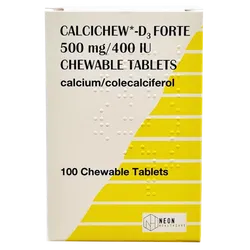
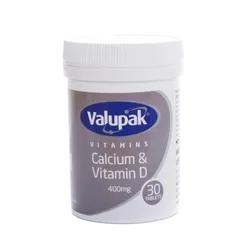
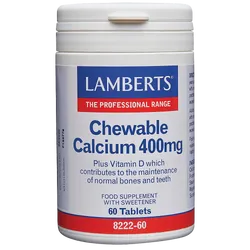
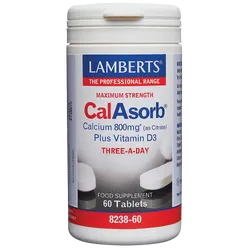
Explore all our calcium supplements:
5. Iron
Iron is vital for making haemoglobin, which is a protein in red blood cells that carries oxygen to you and your baby.
During pregnancy, your blood volume increases, which means you need more iron. In case of deficiency, you may experience anaemia, which may lead to fatigue, low energy, breathlessness, etc.
Read also: Iron & Anaemia: Low Energy? Here’s What to Check.
How to Take Iron Supplements
- The recommended daily intake for pregnant women is 27mg of iron.
- Don’t take more than 45mg of iron, as it can lead to nausea, stomach pain, or other unwanted symptoms.
- Take iron supplements with vitamin C (e.g., orange juice) to improve absorption.
Other Sources of Iron
- Lean red meat, poultry, and seafood (oysters, clams, sardines, tuna, etc.)
- Beans and lentils
- Leafy green vegetables (spinach, cabbage, broccoli)
- Fortified breakfast cereals
- Eggs (especially yolks)
- Nuts and seeds (almonds, sesame seeds, etc.)
Vitamins & Nutrients to Avoid During Pregnancy
Some supplements can be harmful during pregnancy. So, keep in mind you should avoid the following:
- Vitamin A (retinol): High doses of vitamin A (mostly found in liver products) may harm the development of your baby’s nervous system.
- Vitamin E: Excessive doses may increase the risk of abdominal pain and premature rupture of the amniotic sac.
- Iodine: Iodine overdose may cause thyroid dysfunction or affect the neurodevelopment of your child.
Best Vitamins & Minerals for Pregnancy — Final Thoughts
The right vitamins and minerals support a healthy pregnancy for both mother and baby.
Make sure you take all the essential nutrients from both your diet and supplementation, if necessary. Always consult your GP before starting any supplements to make sure you do it the safe way.
Explore Weldricks’ wide range of trusted vitamins and supplements to support both your health and your baby’s proper development from day one!
FAQs
When should I start taking prenatal vitamins?
You should ideally begin taking prenatal vitamins 3 months before trying to get pregnant.
What are the most important vitamins for each trimester?
- Trimester 1: Folic acid
- Trimester 2: Iron, calcium, vitamin D
- Trimester 3: Iron, calcium, vitamin D
What happens if I don’t take prenatal vitamins?
A balanced diet helps, but skipping key vitamins (like folic acid or vitamin D) can increase the risk of pregnancy complications and birth defects.
How long do vitamins take to work?
Some need days, while others take weeks or months to show results. For more information, see our detailed guide on how long vitamins take to work.
Published 11th March 2026 by

Allan Green
Registered Pharmacist & Head of E-commerce
Allan has been a Registered Pharmacist for 25+ years
He specializes in Ecommerce and Over the Counter medicines.
He is a Registered Pharmacist, who studied at University of Bradford.
He has been with Weldricks since 2006, starting as a branch manager before moving into area management and deputy superintendent roles.
His current responsibilities include web development, marketing, content, customer service and web operations teams.
Related Products
-
Clearblue Digital Ovulation Test Pack of 30 £43.48 save £1.51
-
Clearblue Advanced Digital Ovulation Test Pack of 30 £49.48 save £5.51
-
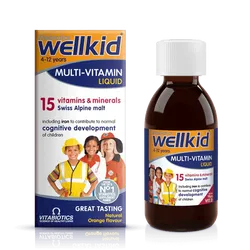
Vitabiotics Wellkid Multivitamin Liquid 150ml £5.19 save £2.26
-
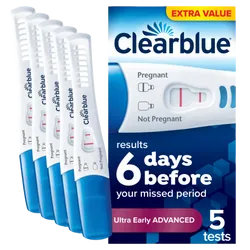
Clearblue Ultra Early Pregnancy Test Pack of 5 £12.50 save £4.50
-
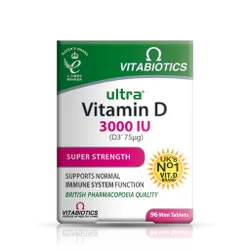
Vitabiotics Ultra Vitamin D3 3000iu Tablets Pack of 96 £8.39 save £3.56
-
Pregnacare Before Conception Tablets Pack of 30 £7.98 save £3.97