How Long Does It Take for Vitamins to Work?
In this guide

When you start taking vitamins or supplements, it’s natural to wonder how long it will take before you notice any real benefits.
Some nutrients are absorbed quickly, while others need more time before you can feel their effects on your body, especially if you’re trying to correct a deficiency.
In this guide, we answer how long it takes for vitamins to work, explain what affects vitamin absorption, and what you can do to get the best results from your supplement routine.
How Long Do Vitamins Take to Work?
Some vitamins work within days, while others take weeks or months to work.
However, vitamin efficacy depends on various factors, such as the type of vitamin, consistency, your nutrient levels, and more.
Types of Vitamins: Water-Soluble vs. Fat-Soluble Vitamins
A main distinction of vitamins is made by the way they’re absorbed and stored in the body.
There are two types of vitamins:
- Water-soluble vitamins
- Fat-soluble vitamins
Water-Soluble Vitamins
- They dissolve in water.
- They are easily absorbed.
- They aren’t stored in the body in large amounts; that’s why you need to consume them through your diet on a regular basis.
- Extra amounts of water-soluble vitamins exit your body through your pee.
Examples of water-soluble vitamins
- Vitamin C (discover all the health benefits of vitamin C)
- B vitamins (B1, B2, B3, B6, B7, B12, etc.)
Fat-Soluble Vitamins
- They dissolve in fat.
- They’re harder to absorb than water-soluble vitamins.
- They are stored in your body’s fatty tissue and liver; that’s why they’re not needed daily in large amounts and take longer to show effects.
- They aren’t flushed out from the body. High doses (usually from supplements) can lead to toxicity.
Examples of fat-soluble vitamins
- Vitamin A
- Vitamin D (check the benefits of vitamin D)
- Vitamin E
- Vitamin K
-
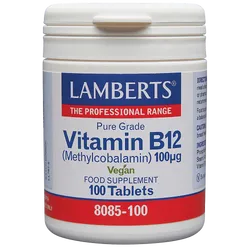
Lamberts Vitamin B12 Tablets 100mcg Pack of 100 £5.59 save £2.36
-
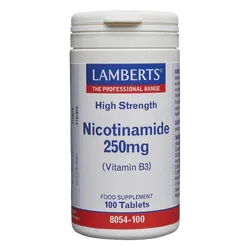
Lamberts Nicotinamide (Vitamin B3) Tablets 250mg Pack of 100 £7.39 save £3.11
-
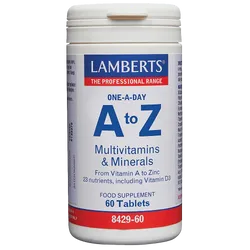
Lamberts A-Z Multivitamins & Minerals Tablets Pack of 60 £6.59 save £2.91
-
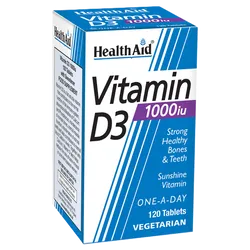
HealthAid Vitamin D3 1000iu Tablets Pack of 120 £9.19 save £2.80
-
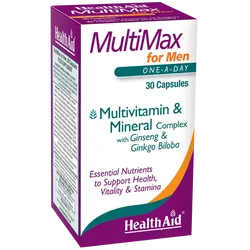
HealthAid MultiMax for Men Capsules Pack of 30 £12.39 save £4.60
-
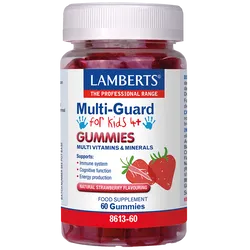
Lamberts Multi-Guard Gummies for Kids Pack of 60 £9.49 save £4.01
What Factors Affect How Fast Vitamins Work?
Several factors influence the time needed for vitamins to work. Let’s explore the most important ones:
1. Type of Vitamin
Water-soluble vitamins (such as vitamin C and B vitamins) are absorbed quickly and aren’t stored in large amounts, which may be why they may act faster than fat-soluble vitamins.
Fat-soluble vitamins are stored in body tissues, meaning they take longer to build up and are released slowly as needed.
2. Current Vitamin Levels
If you have adequate vitamin levels, the absorption process may be slowed down, and you may not experience noticeable benefits quickly or at all.
But if your vitamin levels are very low (deficiency), you will likely experience benefits sooner, as the body works harder to replenish the deficit.
By the way, see our guide on which vitamin deficiencies may cause hair loss!
3. Consistency of Intake
Vitamins work best when taken consistently.
Irregularity in vitamin intake will slow down the process and it may take longer for you to experience the benefits.
4. Diet
Faster nutrient absorption requires a healthy and balanced diet.
For example, your body needs:
- Enough water to absorb water-soluble vitamins
- Enough dietary fat (from foods like olive oil, fish, nuts, seeds, etc.) to absorb fat-soluble vitamins
So, eat a well-rounded diet to make sure you absorb the essential vitamins quickly.
5. Health Issues
Certain health conditions can make it harder for your body to properly absorb the vitamins needed.
Some conditions that may impact nutrient absorption include:
- Celiac disease
- Inflammatory Bowel Disease (Crohn’s disease, ulcerative colitis, etc.)
- Short Bowel Syndrome
- Chronic gastritis
- Pancreas, liver, or gallbladder issues
How to Be Consistent With your Vitamin Intake
- Take your vitamins at the same time each day (e.g., with your breakfast); this will help your brain get used to the routine.
- Keep your vitamins visible (kitchen counter, nightstand, etc.), so you can see them and not forget them.
- Set an alarm so that you don’t miss doses.
- Use a pill organiser to see your progress.
- Speak to a pharmacist if you’re unsure how to take them.
How Long Do Vitamins Take to Work — Summary
While some nutrients act quickly, most require consistent use over weeks or months (especially in deficiency cases) to support normal body functions.
If you’re considering adding supplements to your routine, explore Weldricks’ range of quality vitamins (after you speak with your healthcare provider or pharmacist) to support long-term well-being!
FAQs
Can you overdose on vitamins?
Yes, especially on fat-soluble vitamins, which are stored in your body. Some of the most common symptoms of vitamin overdose include:
- Nausea
- Vomiting
- Bone pain
- Fatigue
- Stomach pain
- Confusion
- Irritability
How do I know if my vitamins are working?
Signs your vitamins are working include:
- Improved energy
- Better sleep
- Improved mood
- Stronger hair, skin, and nails
- Stronger immune system
- Better digestion
Published 30th December 2025 by

Allan Green
Registered Pharmacist & Head of E-commerce
Allan has been a Registered Pharmacist for 25+ years
He specializes in Ecommerce and Over the Counter medicines.
He is a Registered Pharmacist, who studied at University of Bradford.
He has been with Weldricks since 2006, starting as a branch manager before moving into area management and deputy superintendent roles.
His current responsibilities include web development, marketing, content, customer service and web operations teams.
Related Products
-
Neuromind Original Tablets Pack of 30 £9.98 save £1.97
-
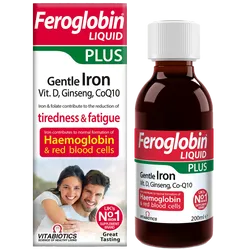
Feroglobin Liquid Plus 200ml £6.99 save £1.86
-
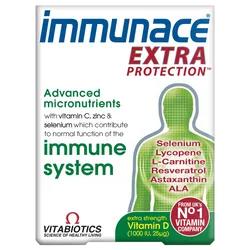
Immunace Extra Protection Tablets Pack of 30 £7.49 save £3.76
-
Alvita Oral Syringe & Adapter 10ml £0.98 -
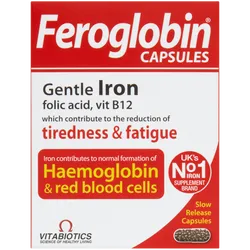
Feroglobin Capsules Pack of 30 £3.99 save £2.16
-
Perfectil Original Tablets Pack of 30 £6.09 save £3.46
-
Wellman Original Tablets Pack of 30 £5.95 save £2.90
-
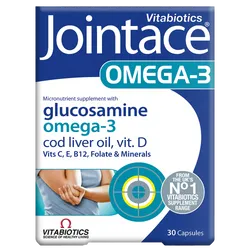
Jointace Omega 3 Capsules Pack of 30 £7.98 save £3.47
-
Wellwoman Original Capsules Pack of 30 £5.98 save £2.57
-
Vitabiotics Ultra Ashwagandha Tablets Pack of 30 £10.98 -
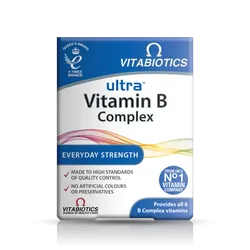
Vitabiotics Ultra Vitamin B Complex Tablets Pack of 60 £3.49 save £1.46
-
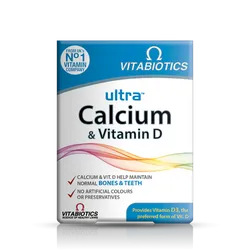
Vitabiotics Ultra Calcium & Vitamin D Tablets Pack of 30 £2.59 save £1.06
-
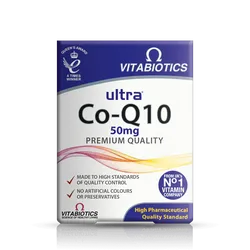
Vitabiotics Ultra Coenzyme Q10 Tablets Pack of 60 £9.49 save £4.46
-
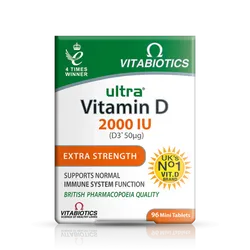
Vitabiotics Ultra Vitamin D3 2000iu Tablets Pack of 96 £6.59 save £2.76
-
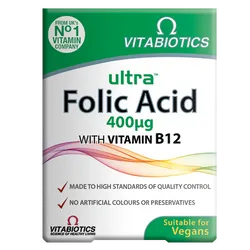
Vitabiotics Ultra Folic Acid with Vitamin B12 Tablets Pack of 60 £2.69 save £1.26
-
Vitabiotics Ultra Ginkgo & Ginseng Tablets Pack of 60 £6.29 save £3.66
-
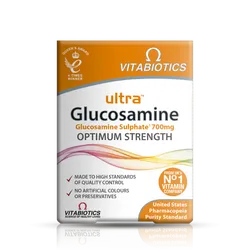
Vitabiotics Ultra Glucosamine 750mg Tablets Pack of 60 £8.98 save £2.67
-
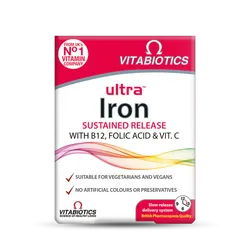
Vitabiotics Ultra Iron Tablets Pack of 30 £2.59 save £1.26
-
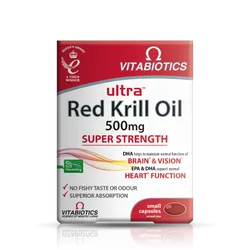
Vitabiotics Ultra Krill Oil Capsules Pack of 30 £10.98 save £3.97
-
Vitabiotics Ultra Bilberry, Lutein & Zeaxanthin Tablets Pack of 30 £6.49 save £3.46
-
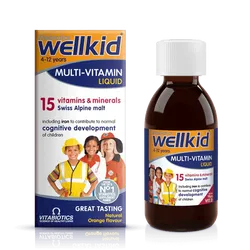
Vitabiotics Wellkid Multivitamin Liquid 150ml £5.19 save £2.26
-
Vitabiotics Ultra Selenium Tablets Pack of 30 £5.49 save £2.46
-
Vitabiotics Ultra Turmeric Tablets Pack of 60 £8.98 save £6.87
-
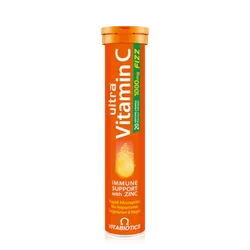
Vitabiotics Ultra Vitamin C Effervescent Tablets Pack of 20 £3.99 save £0.96
-
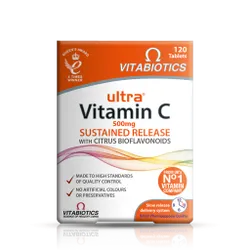
Vitabiotics Ultra Vitamin C Tablets Pack of 120 £7.98 save £2.87
-
Vitabiotics Ultra Vitamin D3 3000iu Tablets Pack of 96 £8.39 save £3.56
-
Vitabiotics Ultra Vitamin D3 400iu Tablets Pack of 96 £2.95 save £1.00
-
Vitabiotics Ultra Zinc Tablets Pack of 60 £2.59 save £1.26
-
Vitabiotics Ultra Magnesium Tablets Pack of 60 £4.09 save £1.86
-
Lamberts Vitamin C & Bioflavonoids Tablets 1000mg Pack of 60 £7.79 save £3.16
-
Alflorex Original Capsules Pack of 30 £21.39 save £3.60
-
Eyetamins Vision Support Softgels Pack of 30 £14.49 save £2.46
-
Lamberts Biome Balance Everyday Capsules Pack of 30 £9.69 save £3.81