Teething Explained: Pain, Symptoms, Timeline & Relief for Babies
In this guide
Teething is an important developmental milestone, but it can also be a challenging time for both babies and parents.
From sore gums and sleepless nights to increased dribbling and irritability, many families wonder what is normal and how long symptoms are likely to last.
This Q&A guide explains everything you need to know about teething, including when it starts, how long teething pain lasts and the most effective ways to help soothe your baby's discomfort.
Quick Overview
- Most babies start teething at around 6 months, although the first tooth can appear as early as 4 months or after the first birthday.
- Teething pain typically lasts 5-8 days per tooth, with symptoms often beginning a few days before the tooth emerges and improving shortly afterwards.
- Common signs of teething include sore gums, dribbling, chewing, irritability, disturbed sleep, red cheeks, and ear rubbing.
- Teething pain relief options include teething rings, gentle gum massage, chilled foods, teething gels, sugar-free pain relief medicines and plenty of comfort and reassurance.
What Is Teething?
Teething is the natural process of a baby's teeth emerging through the gums. Most children will develop their full set of 20 primary (baby) teeth by around three years of age.
When Do Babies Start Teething?
Most babies begin teething at around 6 months.
However, there is a wide range of normal development. Some babies may get their first tooth as early as 4 months, while others may not develop their first tooth until after their first birthday.
How Long Does Teething Last?
Most children will have a full set of baby teeth by 3 years of age (around 33 months).
How Long Does Teething Pain Last?
Typically, teething pain lasts for about 5 to 8 days per tooth.
In general:
- Symptoms may begin a few days before the tooth appears.
- Discomfort usually improves shortly after eruption.
- Molar teething pain may last slightly longer due to the larger size of the tooth.
What Are the Symptoms of Teething?
Common teething symptoms include:
- Sore or swollen gums
- Increased dribbling
- Chewing on fingers, toys or other objects
- Irritability or fussiness
- Red cheeks
- Disturbed sleep
- Reduced appetite
- Rubbing their ear
- Increased desire for comfort and cuddles
Can Teething Cause Fever?
A slight increase in temperature can sometimes occur during teething, but no more than 38°C. High fever is not usually caused by teething.
If your baby develops a fever, appears unusually unwell or has symptoms such as vomiting, persistent diarrhoea or a widespread rash, another illness may be responsible.
For example, conditions such as chickenpox can sometimes be mistaken for teething-related symptoms.
Can Teething Cause Ear Pain?
Yes. Because the nerves supplying the gums and ears are closely connected, teething discomfort can sometimes be felt as ear pain. However, persistent ear pain should always be assessed by a healthcare professional.
If you're concerned about your child's symptoms or would like professional advice, Weldricks offers a convenient pharmacy earache treatment service.
Can Teething Cause Tummy Pain?
No, teething itself can’t cause tummy pain. However, the teething process can indirectly lead to mild stomach upset, because babies tend to swallow more saliva.
Can Teething Cause a Rash?
Yes. Excessive dribbling can irritate the skin around the mouth, chin and neck, leading to a mild rash. Keeping the area clean and dry can help reduce irritation.
If your baby develops significant skin irritation elsewhere, consider whether another condition may be responsible. You may find our guide to nappy rash in babies helpful if skin irritation is affecting the nappy area.
What Order Do Baby Teeth Appear In? [Timeline]
Although every child develops at their own pace, baby teeth typically erupt in the following order:
|
Scientific tooth name |
Location in the mouth |
Typical age |
|
Lower central incisors |
Bottom front teeth |
5-10 months |
|
Upper central incisors |
Top front teeth |
6-12 months |
|
Upper lateral incisors |
Teeth next to the top front teeth (either side) |
9-13 months |
|
Lower lateral incisors |
Teeth next to the bottom front teeth (either side) |
10-16 months |
|
First molars |
First large teeth at the back of the mouth |
12-18 months |
|
Canines |
Pointed teeth (between the upper and lower molars toward the back of the mouth) |
16-22 months |
|
Second molars |
Last teeth to appear at the very back of the mouth |
23-33 months |
Remember that these ages are only guidelines, and individual variation is completely normal.
Why Is Teething Often Worse at Night?
This can happen because:
- There are fewer distractions at night, making babies more aware of gum discomfort.
- Increased blood flow to the head when lying down may also make gum sensitivity feel more noticeable.
How Can I Relieve My Baby's Teething Pain?
There are several safe and effective ways to provide teething pain relief:
1. Give Your Baby Something Safe to Chew On (e.g., Teething Ring)
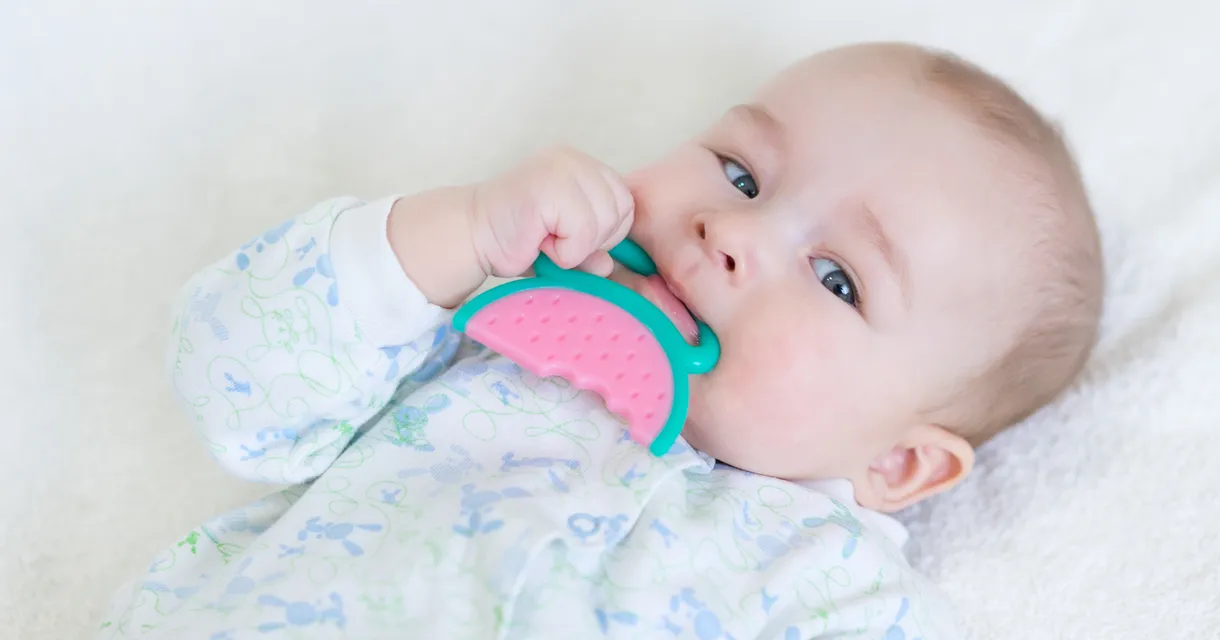
Offer your baby a teething ring or teether designed specifically for teething. Chewing applies gentle pressure to sore gums, which many babies find soothing.
For added relief, some teethers can be chilled in the fridge, but they should never be frozen, as this may damage delicate gum tissue.
2. Massage Their Gums Gently
Using a clean finger, gently rub your baby's gums for a minute or two at a time. This light pressure can help ease discomfort as the tooth moves through the gum. Stop if your baby appears distressed or uncomfortable.
3. Soothe Sore Gums with Chilled Foods
If your baby has already started weaning, offering chilled foods such as soft fruit, yoghurt, or vegetable sticks (where age-appropriate and safely prepared) may help relieve gum soreness. Always supervise your baby during feeding and ensure foods are suitable for their age and developmental stage.
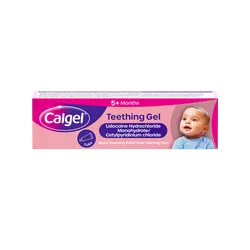
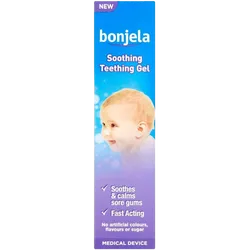
4. Use Teething Gels Correctly
Teething gels may provide temporary relief for some babies when used according to the manufacturer's instructions.
Always make sure the teething gel is specially designed for children, check age restrictions, follow the recommended dosage and seek advice from a pharmacist or healthcare professional if you're unsure which product is suitable.

5. Use Sugar-Free Pain Relief When Needed
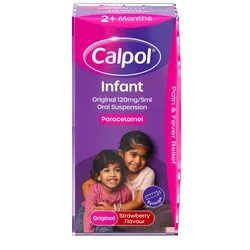
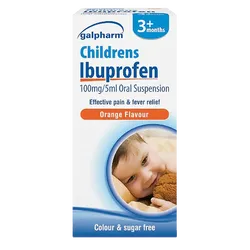
If your baby appears particularly uncomfortable, a sugar-free pain-relieving medicine may help ease teething pain and discomfort. More specifically:
- Sugar-free paracetamol can be used in babies aged 2 months and over.
- Sugar-free ibuprofen may be suitable for babies aged 3 months and over.
Remember that aspirin should not be given to children under 16 years of age.

6. Offer Plenty of Cuddles & Reassurance
Sometimes comfort is just as important as practical remedies. Extra cuddles, soothing routines and reassurance can help babies feel calmer and more secure during periods of teething discomfort.
When Should I Start Brushing My Baby's Teeth?
As soon as the first tooth appears, begin brushing twice daily using a soft baby toothbrush and a fluoride toothpaste suitable for your child's age.
When Should I Take My Baby to a Paediatric Dentist?
Most dental organisations recommend arranging a child's first dental visit by their first birthday or within six months of their first tooth appearing.
You should also seek professional advice if:
- Teeth appear significantly delayed.
- Teeth emerge with unusual discolouration.
- Your child experiences persistent oral pain.
- You have concerns about tooth development.
Teething Guide — Summary
Teething can be challenging, but the right support can help make your baby more comfortable.
Discover Weldricks' range of safe baby teething products and help soothe sore gums, ease discomfort, and keep your little one smiling!
Published 24th June 2026 by

Allan Green
Registered Pharmacist & Head of E-commerce
Allan has been a Registered Pharmacist for 25+ years
He specializes in Ecommerce and Over the Counter medicines.
He is a Registered Pharmacist, who studied at University of Bradford.
He has been with Weldricks since 2006, starting as a branch manager before moving into area management and deputy superintendent roles.
His current responsibilities include web development, marketing, content, customer service and web operations teams.
Related Products
-
Ashton & Parsons Teething Gel 10ml £4.69 save £1.06
-
Ashton & Parsons Infants Powders Pack of 20 £4.49 save £1.41
-
Nelson's Teetha Teething Granules Pack of 24 £3.79 save £2.20
-
Calpol Calgel Teething Gel 10g £3.39 save £0.70
-
Nelson's Teetha Teething Gel 15g £4.29 save £1.70
-
Milton Sterilising Tablets Pack of 40 £3.49 -
Pampers Baby Wipes Sensitive Pack of 52 £1.09