Nappy Rash Full Guide [Causes, Symptoms, & Treatments]
In this guide
![Nappy Rash Full Guide [Causes, Symptoms, & Treatments]](https://d2i5j94z9qxt5a.cloudfront.net/eyJidWNrZXQiOiJ3ZWxkcmlja3MtY2RuIiwia2V5IjoiZ3VpZGVzLzUwMC9vUkJpR2lXRzRiTXdxb1prcDI2WlBWdmJ4Mmc0SEhRNFZFOHdGUG1hLmpwZyIsImVkaXRzIjp7InJlc2l6ZSI6eyJ3aWR0aCI6MTIyMCwiaGVpZ2h0Ijo2NDAsImZpdCI6ImNvdmVyIiwiYmFja2dyb3VuZCI6eyJyIjoyNTUsImciOjI1NSwiYiI6MjU1LCJhbHBoYSI6MH19LCJ3ZWJwIjp7InF1YWxpdHkiOjgwfX19)
Nappy rash is one of the most common skin irritations, mostly affecting babies and toddlers. It’s usually mild, but sometimes it can be painful and uncomfortable for your little one.
In this guide, we answer the most common questions about nappy rash, including what it is, its main causes and symptoms, and how to treat or prevent it effectively.
So, read on!
What Is Nappy Rash?
Nappy rash (also known as diaper rash) is a type of irritant contact dermatitis that develops on the skin covered by a nappy.
It’s usually caused by prolonged exposure to moisture, friction, or irritants (which weaken the skin’s natural barrier), leading to redness and irritation.
It most commonly appears in the spots covered by nappies, such as the buttocks, thighs, and genitals.
How Common Is Nappy Rash?
It’s estimated that up to one-third of babies and toddlers in nappies can have nappy rash at any one time.
What Causes Nappy Rash?
Nappy rash can be caused by:
- Prolonged contact with urine or faeces
- Friction from tight nappies or wipes
- Moisture trapped against the skin
- Sensitive skin
- Fungal infections, such as Candida albicans or thrush (learn more about thrush symptoms and treatments)
- Bacterial infections, such as Staphylococcus aureus
- Allergic reactions to soap, bubble bath, or detergent
- Irritation from fragranced baby wipes
- Teething (increased saliva can lead to looser, more acidic stool, which can, in turn, irritate the skin)
- Certain medications, such as antibiotics (which can disrupt the balance of natural bacteria on the skin) or laxatives (which can make your baby poop more often)
- Infrequent nappy changes
- New foods introduced to a baby’s diet
Nappy Rash Symptoms
Typical symptoms include:
- Red, inflamed skin in the nappy area
- Patches or raised bumps
- Red/brown spots or small blisters
- Scaly or dry skin
- Warm skin when touched
- Increased discomfort or crying during nappy changes
- In severe cases, open sores or oozing areas
Early Signs of Nappy Rash
To prevent development or more severe cases of nappy rash, watch for early signs such as:
- There’s slight redness around the buttocks or groin.
- The skin may feel slightly rough or dry.
- The baby becomes irritated during diaper changes.
When to See a Doctor
Seek medical advice if:
- The nappy rash won’t go away, is getting worse, or is spreading after 3-4 days of home care.
- There are blisters, sores, pus, or yellow crusts (may indicate infection).
- The baby has a fever.
- The baby seems to be in great discomfort.
- You notice white patches or persistent irritation that may indicate another condition, such as eczema or psoriasis (for more information, see our guide on psoriasis or treatment options for eczema).
Nappy Rash Treatment Options
1. Use Barrier Creams & Ointments
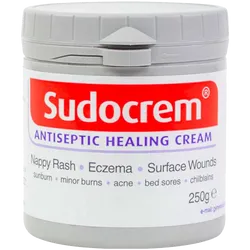
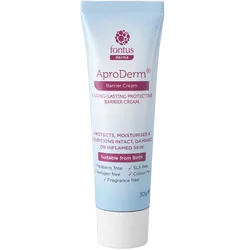
Barrier creams (such as Sudocrem Antiseptic Healing Cream) form a waterproof shield against moisture and irritants.
Common ingredients include zinc oxide and petrolatum, which soothe the skin and allow it to breathe at the same time.
Ointments (such as Bepanthen nappy care ointment) are oil-based and create a thicker and more durable seal. They offer high levels of hydration and protection against urine and faeces, making them highly effective for treating active or more severe rashes.
Pharmacist’s tip (box structure): Apply a thin layer to clean, dry skin after every nappy change. Also, it’s best to avoid scented lotions or talcum powders, as these may worsen the irritation.
Read also: What Are the Best Barrier Creams for 2026? [Weldricks’ Top Picks].

2. Use Antifungal or Antibacterial Creams
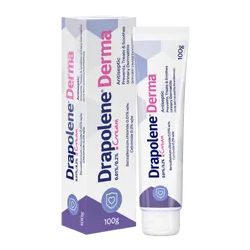
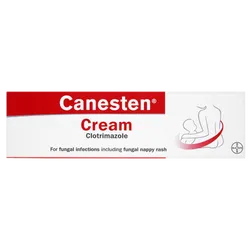
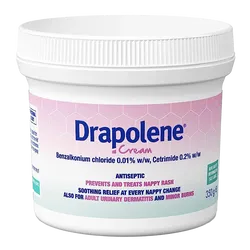
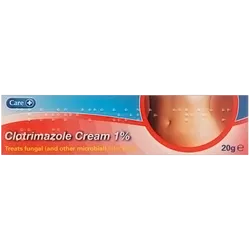
If the rash is caused by fungal (Candida) or bacterial infection, your GP or pharmacist may recommend a specific antifungal (like clotrimazole) or antibiotic cream.
- Antifungal treatments target yeast infections and are essential for thrush-related nappy rashes.
- Antibacterial ointments may be used if there are signs of infection, such as oozing or crusting.
Always consult a healthcare professional before applying such creams to your baby’s skin.
3. Change Nappies Frequently
Change nappies as soon as they become wet or soiled to minimise contact with irritants. Frequent nappy changes keep the skin dry and allow it to breathe better.
Wipe gently using unscented wipes or warm water with a soft cloth. Also, make sure you choose quality nappies that breathe.
4. Let the Skin Breathe
Give your baby some nappy-free time every day. This will allow air to circulate freely and help the baby’s skin heal.
If you’re worried about your baby going without a nappy, you can just put a soft towel underneath them.
How to Prevent Nappy Rash
Here are some practical tips to prevent nappy rash:
- Change nappies frequently.
- Clean the area with warm water or alcohol-free wipes. Remember to dry the skin by patting (not rubbing, as it increases friction and irritation).
- Apply a barrier cream after every nappy change.
- Avoid tight nappies or plastic covers.
- Choose hypoallergenic, breathable nappies.
- Give your baby some nappy-free time every day.
- Avoid baby lotion, soaps, or bubble baths (they can irritate the skin).
- Avoid using talcum powder or antiseptics.
Can Adults Get Nappy Rash?
Yes, adults can get nappy or diaper rash. It’s often called incontinence-associated dermatitis, as it appears in adults who use incontinence pads or have limited mobility.
Learn more in our detailed guide on incontinence-associated dermatitis.
Everything About Nappy Rash — Final Thoughts
Nappy rash is usually mild and manageable at home. Proper hygiene, barrier creams, frequent nappy changes, and nappy-free time can help ease symptoms and clear up the rash.
If symptoms persist or worsen, always consult a healthcare professional for personalised advice.
Explore our full range of quality nappy rash products to keep your baby’s skin healthy and your little one happy!
FAQs
How long does nappy rash last?
- Mild cases usually clear up within 3-4 days.
- More severe nappy rash cases might take up to a week (or longer).
What is the best cream for nappy rash?
Barrier creams and ointments containing zinc oxide or panthenol (like Sudocrem and Bepanthen) are among the best options for everyday use.
Is Vaseline good for nappy rash?
Vaseline can be used to treat mild nappy rash cases, as it creates a moisture barrier against urine and faeces. However, dedicated nappy rash creams are more effective.
What can be mistaken for nappy rash?
Conditions often mistaken for nappy rash include:
- Eczema
- Psoriasis
- Thrush
- Seborrheic dermatitis
Published 12th March 2026 by

Allan Green
Registered Pharmacist & Head of E-commerce
Allan has been a Registered Pharmacist for 25+ years
He specializes in Ecommerce and Over the Counter medicines.
He is a Registered Pharmacist, who studied at University of Bradford.
He has been with Weldricks since 2006, starting as a branch manager before moving into area management and deputy superintendent roles.
His current responsibilities include web development, marketing, content, customer service and web operations teams.
Related Products
-
Bepanthen Nappy Rash Ointment 100g £9.45 save £1.14
-
Bepanthen Nappy Rash Ointment 30g £4.95 save £0.54
-
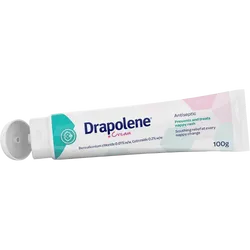
Drapolene Cream 350g £12.29 save £1.20
-
Drapolene Cream 100g £4.79 save £1.70
-
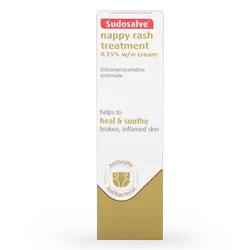
Sudosalve Nappy Rash Treatment Cream 25g £5.49 save £0.50
-
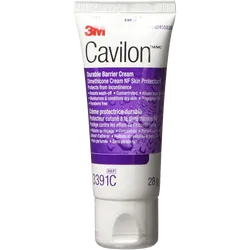
Cavilon Durable Barrier Cream Tube 28g £4.95 -
Healthpoint B5 Panthenol Nappy Ointment 30g £1.09 -
Cotton Wool Pleat 130g £1.39 -
Drapolene Derma Cream 100g £5.99 save £0.50