Winter Wellness: Stay Warm, Safe & Cold-Free
In this guide
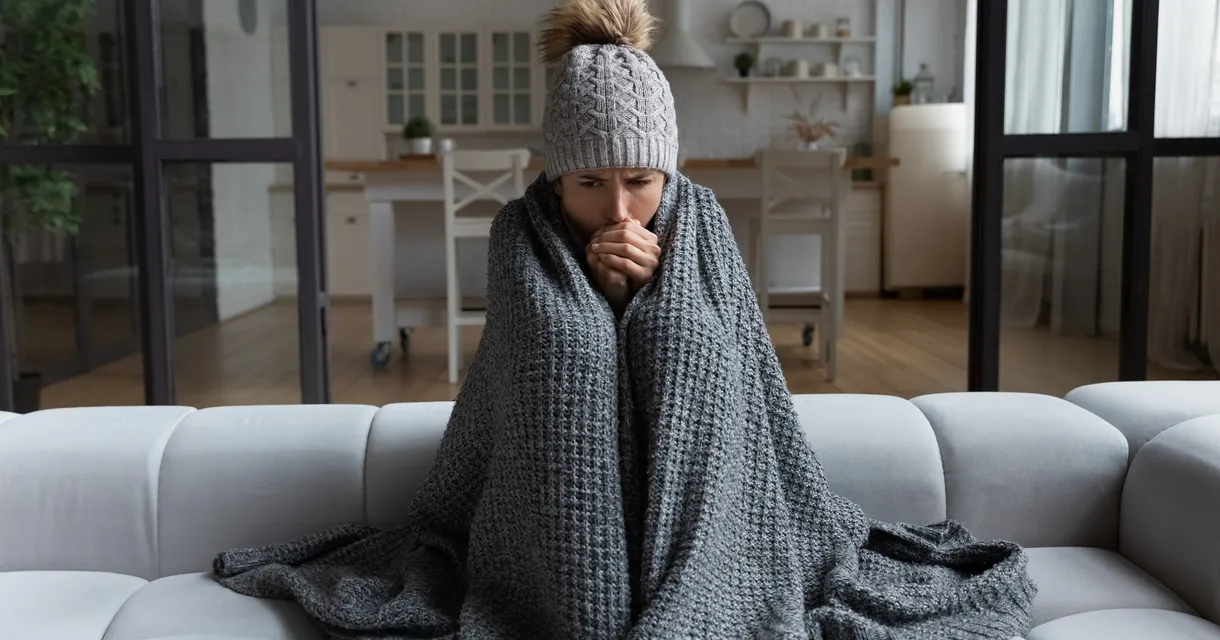
Winter in the UK can be a beautiful time of year, but it also brings unique health challenges. From common colds and the flu to dry skin and the risks of colder temperatures, it's important to be prepared. Being proactive about your health can make all the difference, especially for vulnerable family members like the elderly and young children. This guide will help you understand how to stay healthy and well throughout the colder months, so you can enjoy the season with confidence.
Protecting Yourself from Common Winter Illnesses
Colds and flu are an unavoidable part of winter for many people, but there are simple steps you can take to protect yourself and your family.
Cold & Flu
While a cold and the flu share some similar symptoms, they are caused by different viruses. A cold often comes on gradually with a runny nose, sneezing, and a sore throat. The flu is typically more severe, with symptoms like a sudden fever, body aches, and exhaustion.
The best way to prevent the flu is to get a flu jab, especially if you are in a high-risk group. Good hygiene, like regular hand washing, also helps reduce the spread of germs.
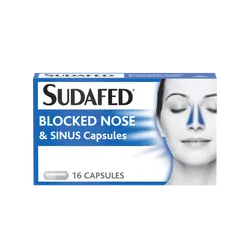
While there’s no cure for the common cold or flu, you can treat the symptoms with over-the-counter medicines. Paracetamol and ibuprofen can help with fever and aches, while decongestants can relieve a blocked nose. We stock a wide range of these products to help you feel better, faster.
Norovirus (Winter Vomiting Bug)
Norovirus is a highly contagious bug that causes sudden nausea, vomiting, and diarrhoea. It spreads easily in public places like schools and offices.
Washing your hands thoroughly and often with soap and water, especially after using the toilet or before eating. Hand sanitiser is not effective against norovirus, so a thorough wash is key.
The main priority is to prevent dehydration. Sip small amounts of water or an oral rehydration solution frequently. Rest is also crucial to allow your body to recover.
Winter Skin Care
Cold, windy weather and central heating can strip moisture from your skin, leaving it dry, flaky, and irritated.
Protect your skin with a good moisturiser, and remember to use a lip balm to prevent chapping. We have a variety of moisturisers and lip balms specifically formulated to combat winter dryness.
Staying Warm & Well at Home
Staying warm at home is not just about comfort; it’s essential for your health, particularly for the elderly.
Managing Your Home Environment: Keep your living space at a comfortable temperature. Simple measures like using draught excluders and keeping internal doors closed can make a big difference. It's also important to ventilate your home to prevent the build-up of germs.
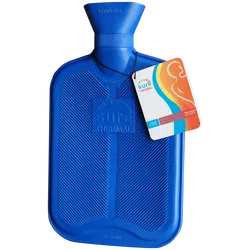
Dressing for the Weather: Dress in layers, as this traps warm air and is more effective than wearing one thick layer. Don't forget to wear warm socks and slippers to keep your feet comfortable, a hot water bottle can also help to keep you warm.
The Role of Diet & Hydration: While we might crave comforting hot drinks in winter, it’s still vital to stay hydrated with water throughout the day. Eating a balanced diet with plenty of fruits and vegetables also helps to support your immune system.
Special Considerations for the Most Vulnerable
Some members of our community need extra care during the winter.
Older people are more susceptible to the cold and its health risks, such as hypothermia and pneumonia. Make sure their home is warm and they are dressing in warm layers. If you have elderly family members or neighbours, check in on them regularly.
Young children and babies can't regulate their body temperature as easily as adults. When you’re out and about, a pushchair rain cover can offer great protection from the cold, along with appropriate clothing or bankets. At home, ensure their sleeping environment is safe and warm. If you are ever concerned about your child’s health, a call to your GP is always recommended.
Your Winter Wellness Kit
Being prepared with a well-stocked medicine cabinet can save you a trip to the pharmacy when you’re not feeling well. Here are a few essentials we recommend having on hand:
- Pain Relievers (e.g., Paracetamol, Ibuprofen) to help with fever, aches, and pain.
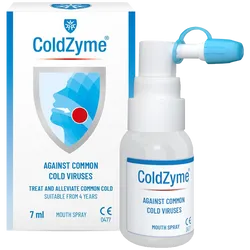
Cough & Cold Remedies to soothe symptoms like sore throats and congestion.
- Hand Sanitiser to help prevent the spread of germs when you're out.
- Hand Soap and good hygiene at home, to prevent the spread of viruses and germs.
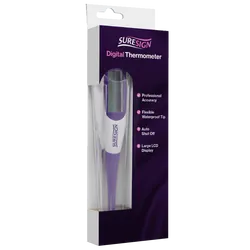
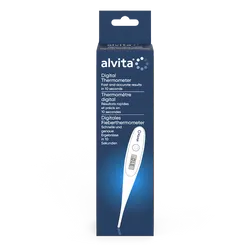
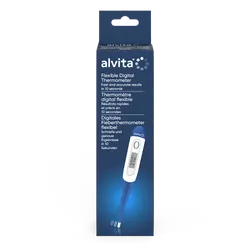
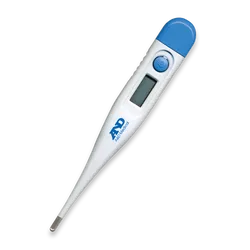
- Thermometer to check for a fever.
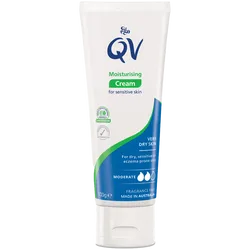
- Moisturiser & Lip Balm for dry skin.
- Vitamins to support your immune system.
Published 4th January 2016 by

Allan Green
Registered Pharmacist & Head of E-commerce
Allan has been a Registered Pharmacist for 25+ years
He specializes in Ecommerce and Over the Counter medicines.
He is a Registered Pharmacist, who studied at University of Bradford.
He has been with Weldricks since 2006, starting as a branch manager before moving into area management and deputy superintendent roles.
His current responsibilities include web development, marketing, content, customer service and web operations teams.
Related Products
-
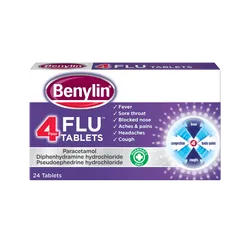
Benylin 4 Flu Tablets Pack of 24 £6.19 save £1.20
-
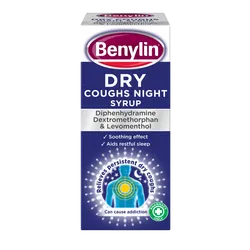
Benylin Dry Cough Night Syrup 150ml £6.79 save £1.20
-
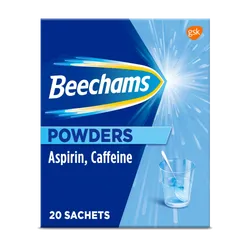
Beechams Powders Pack of 20 £4.09 save £0.91
-
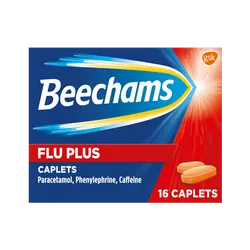
Beechams Flu Plus Caplets Pack of 16 £2.49 save £1.18
-
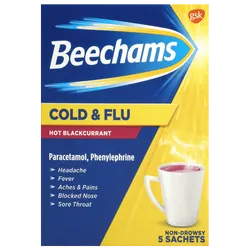
Beechams Cold & Flu Hot Blackcurrant Pack of 5 £1.99 save £1.32
-
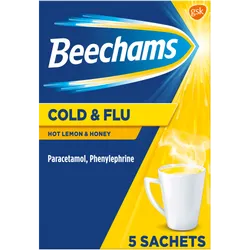
Beechams Cold & Flu Hot Lemon & Honey Sachets Pack of 5 £2.79 save £0.52
-
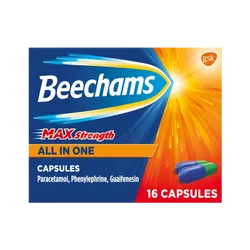
Beechams Max Strength All in One Capsules Pack of 16 £5.39 save £1.11
-
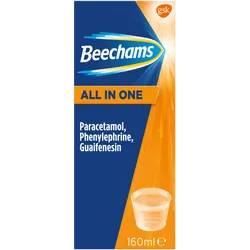
Beechams All-in-one Liquid 160ml £5.39 save £1.11
-
Sudafed Blocked Nose Spray 15ml £3.95 save £2.54
-
Sudafed Decongestant Tablets Pack of 12 £3.29 save £1.96
-
Sudafed Sinus Pressure & Pain Tablets Pack of 24 £6.69 save £2.00
-
Alvita PVC Hot Water Bottle £5.99 save £0.50
-
Sure Thermal Ribbed 1 Side Hot Water Bottle £3.49 -
Suresign Digital Thermometer £3.19 save £0.88
-
Alvita Digital Thermometer Rigid Tip £2.99 save £1.00
-
Alvita Digital Thermometer Flexi Tip £2.79 save £1.20
-
A&D Digital Thermometer UT-103 £3.59 save £1.51
-
QV Cream 100g £5.49 save £1.76
-
Sudafed Blocked Nose & Sinus Capsules Pack of 16 £4.59 save £0.90
-
ColdZyme Mouth Spray 7ml £8.99 save £2.00
-
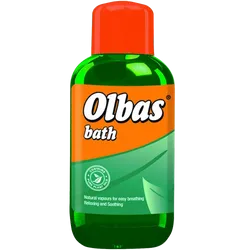
Olbas Bath Liquid 250ml £3.65 save £1.09
-
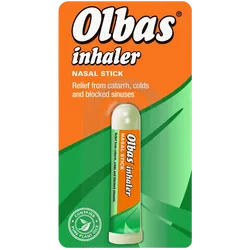
Olbas Inhaler Stick 695mg £2.79 save £0.90
-
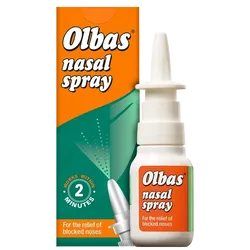
Olbas Nasal Spray 20ml £4.98 save £2.01
-
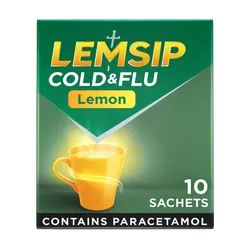
Lemsip Cold & Flu Lemon Pack of 10 £3.99 save £0.88
-
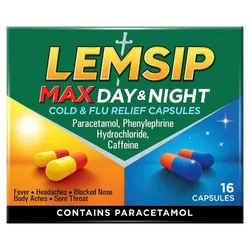
Lemsip Max Cold & Flu Day & Night Capsules Pack of 16 £5.69 save £1.00
-
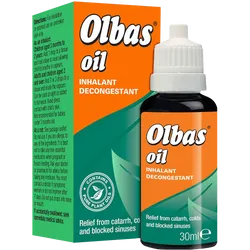
Olbas Oil Inhalant Decongestant 30ml £7.09 save £1.50
-
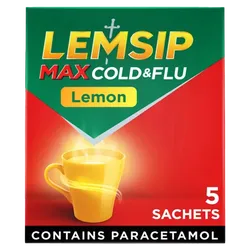
Lemsip Max Cold & Flu Sachets Lemon Pack of 5 £4.29 save £0.56
-
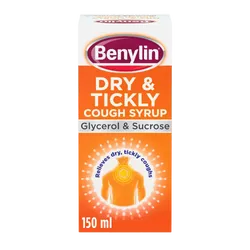
Benylin Dry & Tickly Cough Syrup 150ml £5.99 save £1.15
-
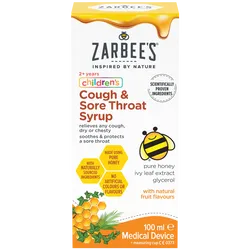
Zarbee's Children's Cough & Sore Throat Syrup 100ml £5.98 save £1.51
-
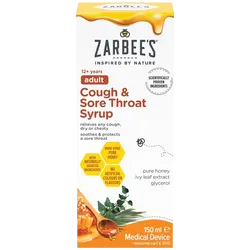
Zarbee's Adult Cough & Sore Throat Syrup 150ml £6.49 save £2.00
-
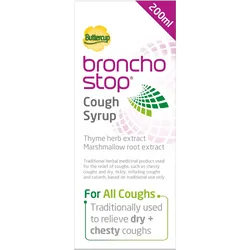
Bronchostop Cough Syrup 200ml £8.49 save £1.50
-
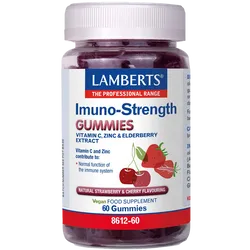
Lamberts Imuno-Strength Gummies Pack of 60 £9.09 save £3.86
-
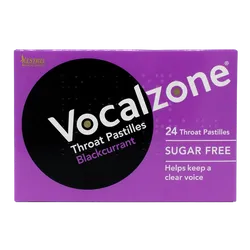
Vocalzone Blackcurrant Sugar Free Pastilles Pack of 24 £4.50 save £1.49
-
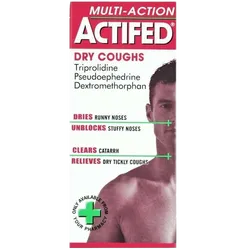
Actifed Multi-Action Dry Coughs 100ml £6.29 save £1.10
-
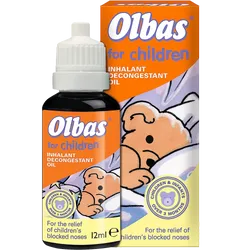
Olbas Oil For Children 12ml £4.19 save £1.86
-
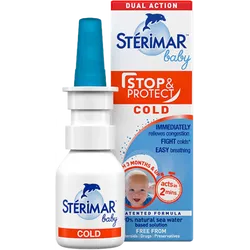
Sterimar Stop & Protect Baby Nasal Spray 15ml £8.29 save £0.70
-
Tempo Tissue Single Box Extra Strong Pack of 80 £1.19 save £0.31
-
Olbas Menthol Pastilles Pack of 20 £3.49 save £1.00
-
Healthpoint Nasal Inhaler Pack of 2 £0.99