Dementia & Incontinence: Caring Tips That Make Life Easier
In this guide

The Hidden Link Between Dementia and Incontinence
As dementia progresses, many unexpected symptoms can arise. While cognitive difficulties are a hallmark of the condition, physical abilities can also decline, sometimes causing confusion and embarrassment. One symptom often overlooked is incontinence.
Between 60–70% of people with dementia will experience some degree of incontinence[i]. This can be difficult to discuss, particularly for someone who struggles to express themselves. Understanding the connection between dementia and incontinence can help caregivers provide the right support.
What is Incontinence?
Incontinence is the unintentional leakage of urine or fecal matter. There are several types:
- Urinary incontinence: The inability to control urine flow. This can range from occasional leaks to complete loss of bladder control. It affects 3–6 million people in the UK[iii], most commonly women over 50.
- Fecal incontinence: Difficulty controlling bowel movements, from minor leaks to complete loss of control. Less common than urinary incontinence but affects both genders equally.
- Double incontinence: When both urinary and fecal incontinence occur due to issues with the muscles and nerves controlling the bladder and bowel.
What Causes Incontinence?
Incontinence can develop due to a mix of genetic, environmental, and age-related factors. Common causes include:
- Urinary tract infections (UTIs)
- Pregnancy and childbirth
- Menopause
- Prostate problems
- Neurological conditions, such as Parkinson’s disease or diabetes
Aging can weaken muscles controlling the bladder and bowel, while cognitive decline in dementia may impair bathroom awareness. In some cases, incontinence is treatable, so medical advice is important.
Dementia and Incontinence
People with dementia are more likely to experience incontinence than others of the same age. Cognitive deficits may lead to:
- Forgetting to use the toilet
- Failing to recognize the need to go
- Inability to reach or use the toilet properly
This is called functional incontinence—the urinary and digestive systems work normally, but the brain cannot coordinate bathroom use effectively[iv].
Signs of Incontinence in Dementia
Look out for these signs:
- Delayed response to the need to use the toilet
- Inability to reach the toilet in time
- Difficulty communicating the need to go
- Misunderstanding cues from caregivers
- Using inappropriate places for toileting
- Forgetting how to manage clothing for toileting
- Refusing help or avoiding the toilet due to embarrassment
- Distracted or unmotivated behavior preventing bathroom use
At Which Stage of Dementia Does Incontinence Occur?
Incontinence can occur at different stages depending on the type and progression of dementia:
- Alzheimer’s: More likely in middle to later stages when confusion increases[v].
- Vascular dementia: Can occur at any stage due to judgment and awareness challenges.
Not every person with dementia will develop incontinence, but the risk increases with cognitive decline.
How to Help Someone with Dementia and Incontinence
1) Seek Medical Advice
Consult a GP to rule out treatable causes and discuss management strategies.
2) Be Understanding About Accidents
Remain patient and compassionate. Use suitable skin cleaning products, like MoliCare soft skin care tissues, to help the individual clean themselves and change pads or underwear.
3) Make the Bathroom Accessible
Remove obstacles, keep doors open with lights on, and consider using photo labels to help recognition.
4) Ensure the Bathroom is Safe
Install grab bars and night lights to prevent falls and increase confidence.
5) Schedule Regular Bathroom Breaks
Set consistent toilet trips after waking, after meals, and before bed. Learn non-verbal cues like pacing, fidgeting, or pulling at clothing.
6) Choose Flexible Clothing
Opt for elastic waistbands and Velcro fasteners instead of buttons or zippers to make toileting easier.
7) Consider Diet and Lifestyle
- Drink 6–8 glasses of water daily (unless restricted)
- Eat high-fibre foods, fruits, and vegetables
- Limit caffeine, carbonated, spicy, or acidic foods
- Reduce fluids before bedtime
- Encourage regular exercise
Summary
Incontinence in dementia can be challenging for both the individual and caregivers. Understanding the signs, causes, and ways to manage accidents can improve comfort and reduce stress for everyone involved. Compassionate support, accessible facilities, and medical guidance are key to effective management.
Sources
- [i] Bladder & Bowel UK
- [ii] NCI Dictionary of Cancer Terms
- [iii] All About Incontinence
- [iv] RACGP Guide
- [v] Alzheimer's Association
FAQs
Is incontinence a normal part of dementia?
While incontinence is common in dementia, affecting 60–70% of people with the condition, it is not inevitable. Proper support and management can reduce incidents and improve quality of life.
What types of incontinence can someone with dementia experience?
People with dementia can experience urinary incontinence, fecal incontinence, or both (double incontinence). Functional incontinence, caused by cognitive difficulties rather than physical problems, is particularly common.
At what stage of dementia does incontinence usually appear?
It depends on the type and progression of dementia. For Alzheimer’s, it often occurs in middle to later stages. For vascular dementia, it may appear at various stages depending on cognitive and judgment changes.
How can caregivers help manage incontinence in someone with dementia?
Caregivers can help by:
- Seeking medical advice to rule out treatable causes
- Being patient and understanding during accidents
- Making the bathroom accessible and safe
- Scheduling regular bathroom breaks
- Choosing flexible clothing for easier toileting
- Maintaining a healthy diet and adequate hydration
Published 16th August 2022 by

Allan Green
Registered Pharmacist & Head of E-commerce
Allan has been a Registered Pharmacist for 25+ years
He specializes in Ecommerce and Over the Counter medicines.
He is a Registered Pharmacist, who studied at University of Bradford.
He has been with Weldricks since 2006, starting as a branch manager before moving into area management and deputy superintendent roles.
His current responsibilities include web development, marketing, content, customer service and web operations teams.
Related Products
-
TENA Bed Secure Zone Pad 60cm x 60cm Super Pack of 30 £12.29 save £1.24
-
Always Discreet Boutique Pants Plus Beige Medium Pack of 9 £7.88 save £1.12
-
Always Discreet Long Pads Pack of 10 £2.29 save £0.46
-
Always Discreet Liners Long Plus Pack of 20 £1.98 save £0.27
-
Always Discreet Long Plus Pads Pack of 16 £4.79 save £0.10
-
Always Discreet Long Plus Pads Pack of 8 £2.49 save £0.26
-
Always Discreet Pants Plus Medium Pack of 9 £7.98 save £1.02
-
Attends For Men Level 2 Pack of 15 £4.38 save £1.45
-
Attends For Men Level 4 Pack of 14 £4.79 save £1.61
-
Attends Lady Discreet Underwear 3 Large Pack of 10 £5.75 save £1.94
-
Attends Lady Discreet Underwear 3 Medium Pack of 10 £5.49 save £2.20
-
Attends Lady Night Pad 6 Pack of 30 £8.48 save £2.29
-
Attends Men Protective Underwear 3 Medium Pack of 10 £5.49 save £2.20
-
Attends Pull-Ons 10 Extra Large Pack of 14 £15.48 save £2.69
-
Attends Pull-Ons 10 Large Pack of 14 £12.88 save £4.22
-
Attends Pull-Ons 10 Medium Pack of 14 £11.98 save £3.99
-
MoliCare Premium Elastic Large Pack of 24 £16.98 save £6.51
-
Attends Pull-Ons 6 Large Pack of 18 £13.28 save £4.35
-
Attends Pull-Ons 6 Medium Pack of 18 £10.55 save £3.48
-
Attends Pull-Ons 8 Extra Large Pack of 14 £10.68 save £3.55
-
Attends Pull-Ons 8 Large Pack of 16 £12.98 save £3.04
-
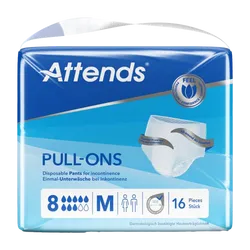
Attends Pull-Ons 8 Medium Pack of 16 £10.95 save £3.22
-
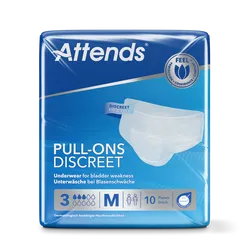
Attends Pull-Ons Discreet (Unisex) Underwear 3 Medium Pack of 10 £5.49 save £2.20
-
Attends Slip Regular 10 Medium Pads Pack of 26 £14.48 save £4.40
-
Attends Soft 2 Normal Pack of 12 £1.38 save £0.39
-
Attends Soft 3 Extra Pack of 10 £1.55 save £0.40
-
Attends Soft 4 Super Pack of 46 £8.00 save £2.67
-
Attends Soft 7 Pack of 34 £8.75 save £2.57
-
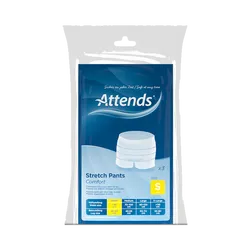
Attends Stretch Pants Comfort Small Pack of 3 £2.99 save £0.91
-
Attends Stretch Pants Extra Large Pack of 15 £5.79 save £1.94
-
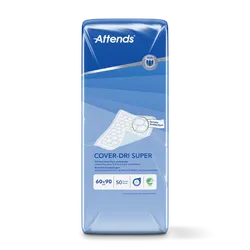
Attends Cover Dri 90 X 60 Super Pack of 50 £14.49 save £3.41
-
Attends Cover-Dri Plus 80 x 90cm Underpads Pack of 30 £10.88 save £3.29
-
Attends Contours Air Comfort 8 Pack of 28 £11.38 save £2.84
-
TENA Pants Protect+ Plus Medium Pack of 9 £7.40 save £1.60
-
MoliCare Premium Men Pants Large Pack of 7 £6.29 save £2.50
-
MoliCare Premium Lady Pants Medium Pack of 8 £7.69 save £1.70
-
MoliCare Premium Mobile Large Pack of 14 £13.49 save £2.50
-
MoliCare Premium Lady Pants Large Pack of 7 £7.69 save £1.70
-
MoliCare Premium Form Pads 7 Drops Pack of 32 £15.98 save £3.21
-
MoliCare Strampelpeter 2 Maternity Pads Pack of 56 £8.29 -
MoliCare Premium Elastic Medium Pack of 26 £17.49 save £4.50
-
MoliCare Premium Elastic Small Pack of 26 £14.49 save £6.40
-
MoliCare Premium Mobile Medium Pack of 14 £12.19 save £2.10
-
MoliCare Skin Barrier Cream 200ml £6.98 save £1.51
-
MoliCare Moist Skin Care Tissues Pack of 50 £2.99 save £2.60
-
Alvita Male Urinal Container 1L £6.48 save £0.51
-
TENA Men Level 3 Pack of 8 £3.85 save £0.65