What Does Vitamin B Do For Your Body? Types, Benefits & Side Effects
In this guide
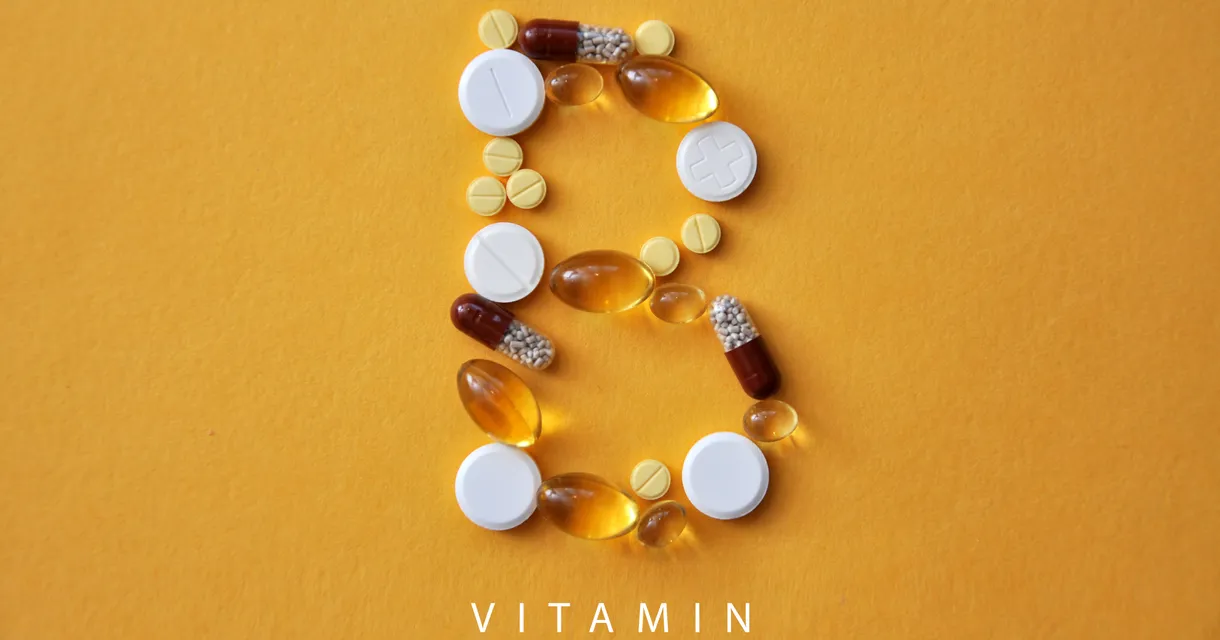
Vitamin B plays a crucial role in keeping your body functioning properly, contributing to various essential body processes.
In this guide, we’ll explore what vitamin B does for the body, the different types of B vitamins, their benefits, sources, deficiency symptoms, and more.
Read on to learn everything you need to know!
Key Takeaways
- Vitamin B complex includes eight essential vitamins (B1–B12) that help the body convert food into energy and support the nervous system, brain function, red blood cell production, etc.
- Each B vitamin has a specific role, but together they contribute to key functions such as energy metabolism, immune health, skin health, and the reduction of tiredness and fatigue.
- Vitamin B deficiencies can cause symptoms like fatigue, nerve problems, anaemia, skin changes, or hair thinning, depending on which vitamin is lacking.
- Most people can get enough vitamin B through a balanced diet, but supplements may be helpful for individuals with dietary restrictions, absorption issues, or diagnosed deficiencies.
What Is Vitamin B Complex?
Vitamin B complex refers to a group of eight water-soluble B vitamins that help the body convert food into energy and support vital functions, such as metabolism, red blood cell production, normal nervous system functioning, and more.
Because these vitamins are water-soluble, the body cannot store large amounts of them, which means that they must be consumed through diet or supplements.
Vitamin B Complex Benefits
Key benefits of B vitamins include:
- Normal energy-yielding metabolism (vitamins B1, B2, B3, B5, B6, B7, and B12)
- Normal functioning of the nervous system (B1, B2, B3, B6, and B12)
- Reduction of tiredness and fatigue (B2, B3, B5, B6, B9, and B12)
- Normal red blood cell formation (B6, B9, and B12)
- Maintenance of normal skin and mucous membranes (B2, B3, and B7)
- Normal psychological function (B1, B3, B6, B9, and B12)
- Normal immune system function (B6, B9, and B12)
Types of Vitamin B
The vitamin B complex includes eight essential vitamins:
- Vitamin B1 (Thiamine)
- Vitamin B2 (Riboflavin)
- Vitamin B3 (Niacin)
- Vitamin B5 (Pantothenic acid)
- Vitamin B6 (Pyridoxine)
- Vitamin B7 (Biotin)
- Vitamin B9 (Folate)
- Vitamin B12 (Cobalamin)
1. Vitamin B1 (Thiamine)
Vitamin B1 or thiamine contributes to:
- Normal energy-yielding metabolism
- Normal functioning of the nervous system
- Normal psychological function
- Normal heart function
These functions explain why thiamine is essential for energy production, brain health, and cardiovascular function.
Good Sources of Vitamin B1
- Whole grains
- Pork
- Nuts and seeds
- Beans and lentils
- Fortified cereals
Vitamin B1 Deficiency: Causes & Symptoms
Vitamin B1 deficiency is usually caused by excessive alcohol intake or a poor diet (high in refined carbohydrates).
Symptoms may include:
- Fatigue
- Irritability
- Muscle weakness
- Nerve damage
- Beriberi (leads to damage to the cardiovascular or nervous system)
How Much Vitamin B1 Do I Need?
Recommended daily intake for adults (aged 19 to 64) in the UK:
- Men: 1mg per day
- Women: 0.8mg per day
2. Vitamin B2 (Riboflavin)
Vitamin B2 or riboflavin contributes to:
- Normal energy-yielding metabolism
- Normal functioning of the nervous system
- Maintenance of normal skin
- Maintenance of normal vision
- Maintenance of normal mucous membranes
- Maintenance of normal red blood cells
- Normal iron metabolism
- Reduction of tiredness and fatigue
- Protection of cells from oxidative stress
These functions make riboflavin essential for energy production, skin health, eye health, and blood health.
Good Sources of Vitamin B2
- Milk and dairy products
- Eggs
- Lean meats
- Green vegetables
- Mushrooms
- Fortified cereals
- Plain yoghurt
Vitamin B2 Deficiency (or Ariboflavinosis): Causes & Symptoms
Low levels of vitamin B2 are primarily caused by a poor diet (mainly low in milk and dairy products), chronic alcoholism, or malabsorption disorders (e.g., Crohn’s disease, celiac disease).
B2 Deficiency may cause:
- Cracked lips
- Skin inflammation (seborrheic dermatitis)
- Sore throat
- Sensitivity to light (photophobia)
How Much Vitamin B2 Do I Need?
- Men: 1.3mg per day
- Women: 1.1mg per day
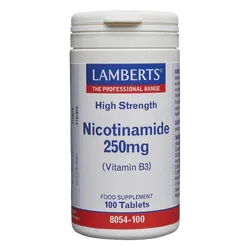
3. Vitamin B3 (Niacin)
Vitamin B3 or niacin contributes to:
- Normal energy-yielding metabolism
- Normal functioning of the nervous system
- Normal psychological function
- Maintenance of normal skin
- Maintenance of normal mucous membranes
- Reduction of tiredness and fatigue
That’s why niacin plays a crucial role in brain health, metabolism, and skin maintenance.
Good Sources of Vitamin B3
- Chicken and turkey
- Tuna and salmon
- Whole grains
- Eggs
- Wheat flour
Vitamin B3 Deficiency (Pellagra): Causes & Symptoms
The main causes of vitamin B3 deficiency are chronic alcoholism, malabsorption syndromes, or insufficient dietary intake of niacin and tryptophan, often seen in diets reliant on corn.
Severe deficiency can cause pellagra, a condition characterised by the following symptoms (described as the “3 Ds”):
- Dermatitis (see our top barrier creams to help ease symptoms)
- Diarrhoea
- Dementia
How Much Vitamin B3/Niacin Do I Need?
- Men: 16.5mg per day
- Women: 13.2mg per day
4. Vitamin B5 (Pantothenic Acid)
Pantothenic acid contributes to:
- Normal energy-yielding metabolism
- Normal mental performance
- Normal synthesis and metabolism of steroid hormones, vitamin D (by the way, discover all the benefits of vitamin D), and neurotransmitters
- Reduction of tiredness and fatigue
This means vitamin B5 plays a key role in energy production, hormone synthesis, and brain function.
Good Sources of Vitamin B5
- Chicken
- Beef
- Liver and kidneys (avoid liver if you’re pregnant)
- Eggs
- Avocados
- Mushrooms
- Whole grains
Vitamin B5 Deficiency: Causes & Symptoms
Pantothenic acid deficiency is extremely rare, but it can be caused by severe malnutrition, chronic alcoholism, genetic or malabsorption disorders.
Low levels of vitamin B5 may lead to:
- Fatigue
- Irritability
- Headaches
- Numbness or burning sensation in the hands or feet
How Much Vitamin B5 Do I Need?
No specific amount has been set in the UK for how much B5 vitamin you need.
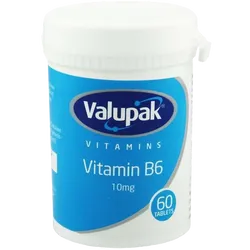
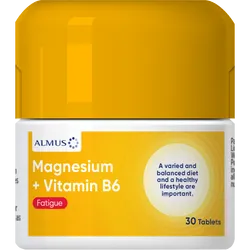
5. Vitamin B6 (Pyridoxine)
Vitamin B6 contributes to:
- Normal cysteine synthesis
- Normal energy-yielding metabolism
- Normal functioning of the nervous system
- Normal homocysteine metabolism
- Normal protein and glycogen metabolism
- Normal psychological function
- Normal red blood cell formation
- Normal immune system function
- Reduction of tiredness and fatigue
- Regulation of hormonal activity
Vitamin B6 is therefore essential for brain health, immune function, metabolism, and hormone balance.
Good Sources of Vitamin B6
- Poultry (chicken, turkey)
- Pork
- Bananas
- Potatoes
- Milk
- Fortified cereals
- Chickpeas
- Oats
- Soya beans
- Peanuts
- Some fish (sockeye salmon, halibut, snapper)
Vitamin B6 Deficiency: Causes & Symptoms
Vitamin B6 deficiency is usually caused by poor diet, poor absorption, alcoholism, chronic kidney disease, or certain medications (e.g., isoniazid) that interfere with proper absorption.
Low levels may cause:
- Fatigue
- Irritability
- Skin rashes
- Cracked lips
- Microcytic anaemia
- Immune system dysfunction (by the way, here are some effective ways to boost your immune system)
- Confusion
How Much Vitamin B6 Do I Need?
- Men: 1.4mg per day
- Women: 1.2mg per day
6. Vitamin B7 (Biotin)
Vitamin B7 or biotin contributes to:
- Normal energy-yielding metabolism
- Normal macronutrient metabolism
- Normal functioning of the nervous system
- Normal psychological function
- Maintenance of normal hair
- Maintenance of normal skin
- Maintenance of normal mucous membranes
Good Sources of Vitamin B7
- Beef liver
- Eggs
- Nuts (almonds, walnuts)
- Seeds
- Salmon
- Sweet potatoes
- Mushrooms
- Legumes
Biotin is present in many foods, but only in small amounts. However, the beneficial bacteria living in your bowel can also produce biotin, so it’s not clear if any additional biotin is needed from your diet.
Vitamin B7 Deficiency: Causes & Symptoms
Biotin deficiency is primarily caused by consumption of raw egg whites (they contain a protein called avidin, which doesn’t allow biotin to be absorbed properly), alcoholism, genetic disorders (e.g., biotinidase deficiency), or malabsorption issues.
Deficiency may lead to:
- Hair thinning or hair loss (learn more about vitamin deficiencies that may cause hair loss)
- Brittle or weak nails
- Skin rashes
- Seizures
How Much Vitamin B7 Do I Need?
Take up to 0.9mg of biotin, which is unlikely to cause any harm.
7. Vitamin B9 (Folate)
Folate contributes to:
- Maternal tissue growth during pregnancy
- Normal amino acid synthesis
- Normal blood formation
- Normal homocysteine metabolism
- Normal psychological function
- Normal immune system function
- Reduction of tiredness and fatigue
- Normal cell division
Good Sources of Vitamin B9
- Leafy green vegetables
- Lentils
- Beans
- Citrus fruits
- Fortified grains
Vitamin B9 Deficiency: Causes & Symptoms
The primary causes of folate deficiency are poor diet, alcoholism, or malabsorption issues.
Low levels may cause:
- Fatigue
- Weakness
- Shortness of breath
- Headaches
- Loss of appetite
- Palpitations
- Diarrhoea
- Sore or red tongue
- Cognitive issues (e.g., memory loss)
How Much Vitamin B9 Do I Need?
- Adults (in general): 200 micrograms (μg) per day
- Pregnant individuals: 400 micrograms (μg) per day
8. Vitamin B12 (Cobalamin)
Vitamin B12 contributes to:
- Normal energy-yielding metabolism
- Normal functioning of the nervous system
- Normal homocysteine metabolism
- Normal psychological function
- Normal red blood cell formation
- Normal immune system function
- Reduction of tiredness and fatigue
- Normal cell division
Good Sources of Vitamin B12
- Meat
- Fish
- Eggs
- Dairy products (milk, cheese)
- Fortified breakfast cereals
Vitamin B12 Deficiency: Causes & Symptoms
Vitamin B12 deficiency is primarily caused by malabsorption issues, insufficient dietary intake, and various conditions, such as gastritis, pernicious anaemia, digestive diseases, and more.
Vitamin B12 deficiency may lead to:
- Extreme fatigue
- Nerve problems (numbness in hands or feet, vision problems, walking issues, confusion)
- Memory issues
- Anaemia
- Weight loss
- Sore mouth or tongue ulcers
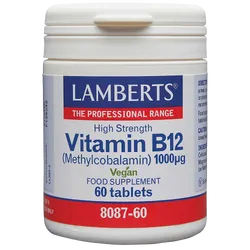
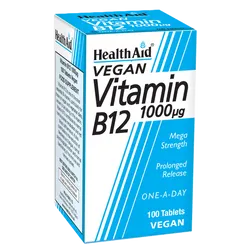
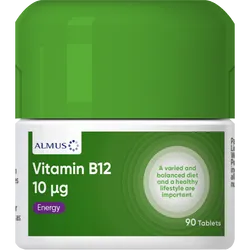
How Much Vitamin B12 Do I Need?
Adults need around 1.5 micrograms per day.
Side Effects of Excessive Vitamin B Intake
Most B vitamins are safe when consumed in recommended amounts.
However, very high doses of B vitamins (from supplements) may cause side effects, including:
- Nausea
- Vomiting
- Headaches
- Skin flushing (with high doses of B3)
- Nerve problems (mainly from excessive vitamin B6 intake)
- High blood pressure
All About Vitamin B — Conclusion
Vitamin B plays an essential role in energy production, brain function, skin health, nervous system function, red blood cell formation, and more.
In addition to your diet, you may need to take supplements (after consulting your GP) to further support your overall well-being.
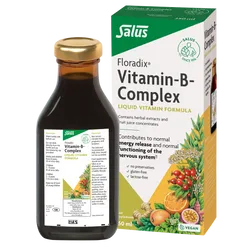
Explore Weldricks’ high-quality vitamin B supplements and choose the best one for your needs!
FAQs
Who should not take the B complex?
Vitamin B complex is generally safe to consume, but there are groups of people who should consult a doctor before taking any supplements, including individuals:
- With kidney or liver disease
- With diabetes
- With certain allergies
- Who take certain medications (such as metformin or anti-seizure medications)
Which vitamin B is best for nerve repair?
Vitamins B1, B6, and B12 are particularly important for maintaining a healthy nervous system.
How long do B vitamins (supplements) take to work?
Some vitamins take days to work, while others may take weeks or months.
For a more detailed answer, take a look at our guide: How Long Does It Take for Vitamins to Work?
Published 11th May 2026 by

Allan Green
Registered Pharmacist & Head of E-commerce
Allan has been a Registered Pharmacist for 25+ years
He specializes in Ecommerce and Over the Counter medicines.
He is a Registered Pharmacist, who studied at University of Bradford.
He has been with Weldricks since 2006, starting as a branch manager before moving into area management and deputy superintendent roles.
His current responsibilities include web development, marketing, content, customer service and web operations teams.