Arthritis often causes joint pain, stiffness and swelling that can range from mild discomfort to severe pain. Many people describe it as a deep aching or throbbing sensation, especially after movement or long periods of rest. Stiffness is often worse in the morning or after sitting still, and affected joints may feel warm or tender to the touch.
Rheumatoid arthritis is an autoimmune condition where the immune system mistakenly attacks the lining of the joints. This leads to inflammation, pain and joint damage over time. The exact cause is unknown, but genetics, hormonal factors and environmental triggers such as smoking may increase the risk.
Knee arthritis symptoms commonly include pain when walking or climbing stairs, stiffness after rest, swelling around the joint and a grinding or clicking sensation when moving the knee. As the condition progresses, movement may become more limited and daily activities may feel more difficult.
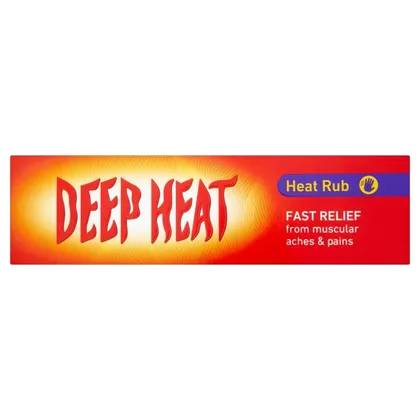
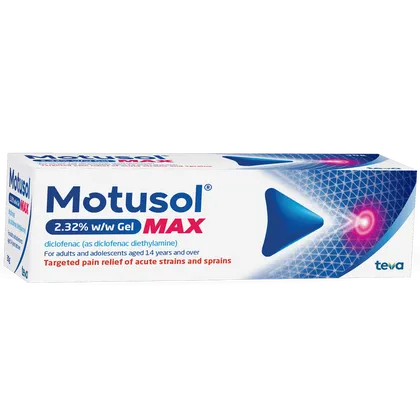
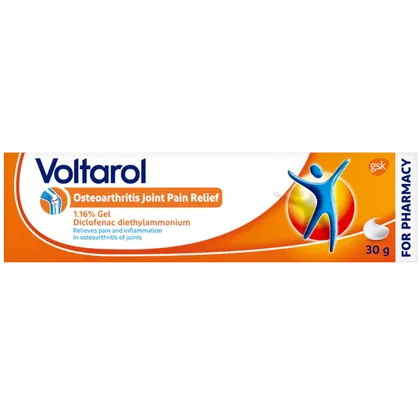
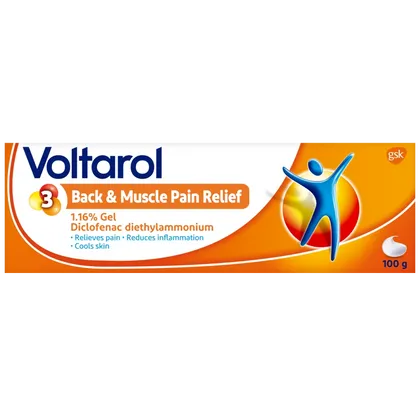
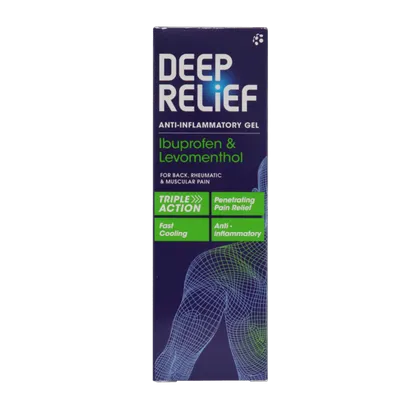
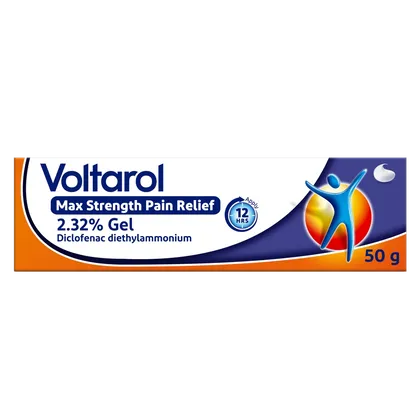
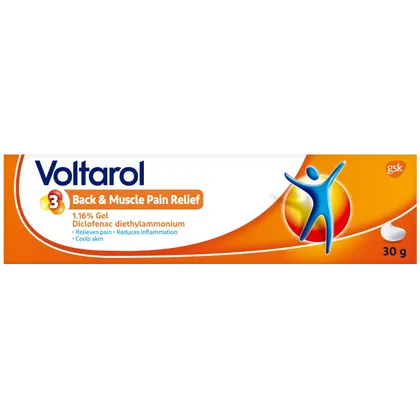
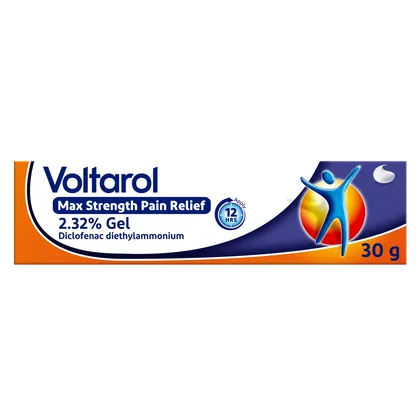
The most effective arthritis medication depends on the type and severity of arthritis. Many people find relief with anti-inflammatory treatments, either as tablets or topical gels applied directly to the joint. In some cases, combination approaches using both topical and oral treatments provide the best symptom control. Your local pharmacist or GP can help determine the most suitable option.
For knee arthritis pain, anti-inflammatory medicines are commonly recommended as they reduce both pain and swelling. Topical treatments applied directly to the knee are often preferred as a first option, especially for ongoing use. Paracetamol may help with mild pain, while stronger treatments may be advised for flare-ups.
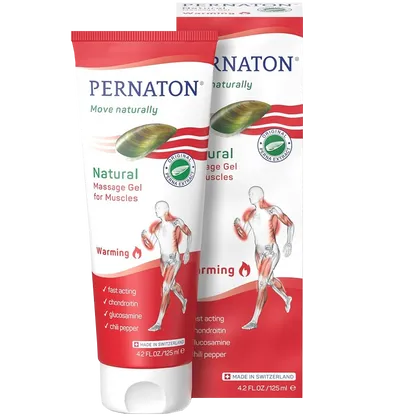
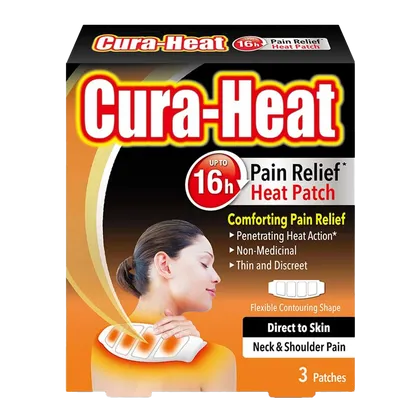
Some people find natural remedies helpful alongside medication. Heat therapy, gentle exercise, weight management and supportive aids can all help reduce strain on the joints. While natural remedies do not cure arthritis, they may help ease symptoms and improve comfort when used as part of a wider management plan.
For osteoarthritis, gentle massage techniques that focus on improving circulation and relaxing surrounding muscles are often preferred. Light to moderate pressure can help ease stiffness and reduce discomfort around affected joints. Massage is most effective when combined with other treatments such as pain relief medication and regular movement.