How to Manage Excessive Sweating & Boost Confidence All-Year Round!
In this guide
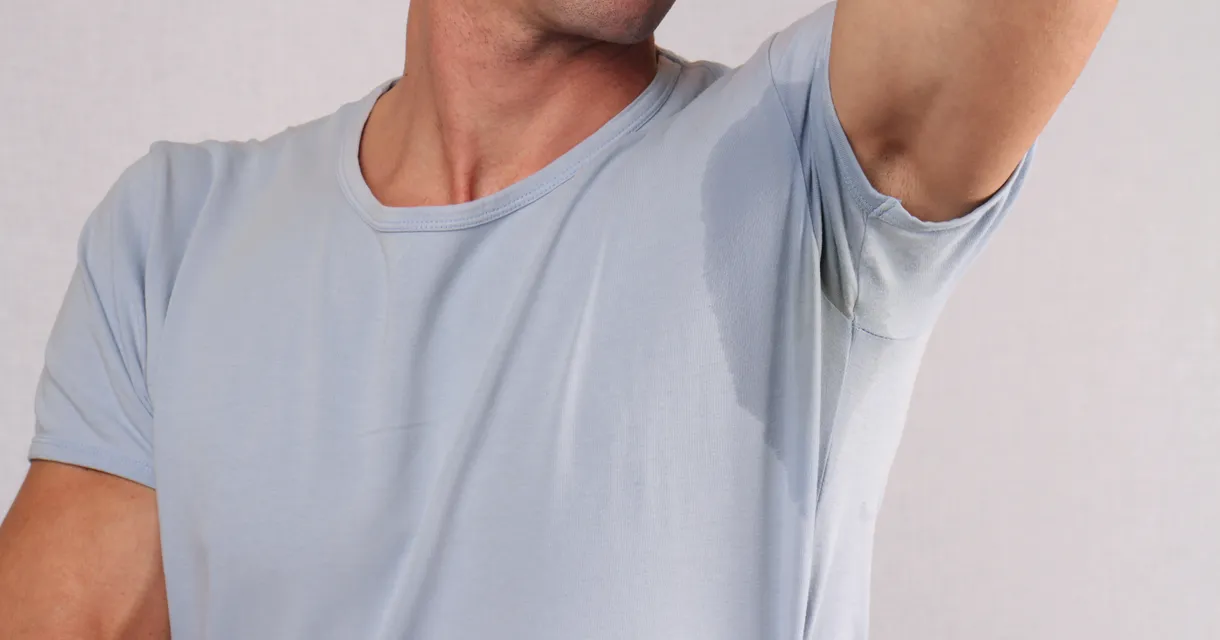
Excessive sweating can affect more than just your comfort. It can also impact your confidence, daily routine, and overall well-being.
If you often find yourself dealing with sweaty hands, underarms, or face without a clear reason, you may be experiencing hyperhidrosis.
The good news is that there are effective ways to manage excessive sweating, from simple lifestyle changes to targeted treatments.
Let’s take a closer look!
What Is Sweat & What Does It Do?
Sweat is a natural fluid produced by your body’s sweat glands, mainly made up of water, salts, and small amounts of waste products. Its primary role is to help regulate body temperature.
Let’s break down the way sweat cools you down:
- Your body heats up due to exercise, hot weather, etc.
- Sweat is released onto the skin’s surface.
- As it evaporates, it cools the body down, preventing overheating.
Sweating also plays a role in:
- Maintaining healthy skin by supporting hydration
- Removing small amounts of toxins and waste
- Helping the body respond to emotional triggers such as stress or anxiety
While sweating is essential for normal body function, excessive sweating (hyperhidrosis) occurs when this process becomes overactive, often without a clear physical need.
What Is Considered Excessive Sweating?
Excessive sweating (hyperhidrosis) occurs when your body produces more sweat than necessary to regulate temperature.
It’s typically considered excessive if it:
- Happens in cool environments
- Happens at rest
- Disrupts your everyday activities
It may affect specific areas such as:
- Underarms
- Hands
- Feet
- Face or scalp
What Are the Symptoms of Excessive Sweating?
Common symptoms include:
- Visible sweating without physical activity
- Sweaty hands or difficulty gripping objects
- Frequent need to wipe or dry skin
- Skin irritation or infections
- Unpleasant odour
What Causes Excessive Sweating?
Excessive sweating can be divided into two main types:
Primary Focal Hyperhidrosis
In this case, there is no obvious cause for excessive sweating. Factors that play a role include:
- Overactive sweat glands
- Genetic predisposition (family history)
- Nerve signals triggering sweat unnecessarily
Secondary Generalised Hyperhidrosis
Secondary hyperhidrosis is when a cause for excessive sweating can be found:
- Hormonal changes (e.g., menopause, pregnancy, hyperthyroidism)
- Medical conditions, such as nervous system disorders, infections, certain types of cancer, or diabetes (by the way, see tips for diabetes management)
- Low blood sugar
- Anxiety and stress
- Certain medications (certain antidepressants, beta-blockers, etc.)
- Obesity (discover the health risks of obesity)
- Eating certain types of food (e.g., spicy, alcohol)
How to Manage Excessive Sweating: Everyday Tips
1. Use Antiperspirants Correctly
Antiperspirants are one of the most effective and accessible ways to control excessive sweating, as they work by temporarily blocking the sweat glands and reducing the amount of sweat that reaches the skin’s surface.
For best results:
- Apply at night, when sweat glands are less active.
- Use consistently for a few days to build effectiveness.
- Choose clinical-strength formulas if standard products aren’t enough.
Regular use can significantly reduce symptoms, especially in areas like the underarms, hands, and feet.
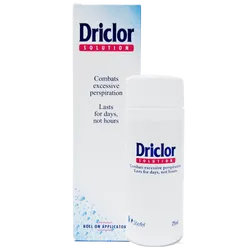
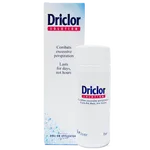
Driclor: A targeted solution for excessive sweating
If standard antiperspirants don’t provide enough control, Driclor offers a stronger, more targeted approach.
What is Driclor?
Driclor is a clinical-strength antiperspirant that contains aluminium chloride, an active ingredient that blocks sweat glands at a deeper level. This helps prevent sweat from reaching the surface, making it particularly effective for hyperhidrosis.
How to use Driclor effectively
- Apply at night before going to bed, when sweat glands are least active.
- Ensure skin is clean and completely dry before application.
- Wash off in the morning.
- Use nightly until sweating improves, then reduce frequency to maintenance use.
How long does it take to work?
Most people notice visible improvement within a few days, although results may vary depending on severity.
How to prevent irritation or stinging
- Avoid applying to freshly shaved or irritated skin.
- Apply a small amount only. More is not necessarily better.
- Use on recommended areas (hands, feet, underarms only).
- Always apply to clean, dry skin.
Alternatives to Driclor
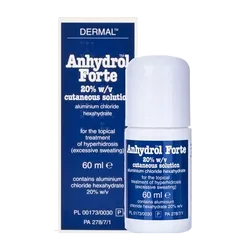
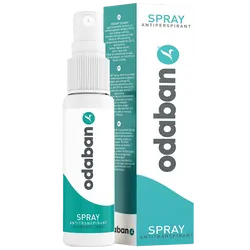
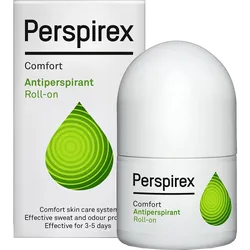
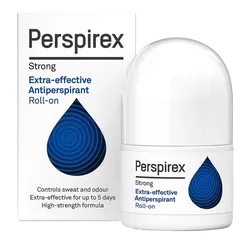
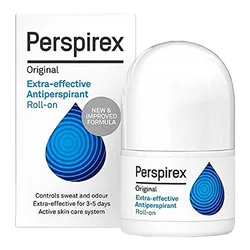
If Driclor isn’t suitable, alternatives such as Anhydrol Forte Roll On or Perspirex Original can offer similar sweat-blocking benefits.
2. Choose the Right Clothing
Clothing plays a bigger role than many people realise in managing sweat. To reduce excessive sweating:
- Choose natural, breathable fabrics such as cotton or linen.
- Opt for loose-fitting clothes to improve airflow.
- Avoid synthetic materials (e.g., nylon, acrylic, etc.) that trap heat and moisture.
- Wear lighter colours, which absorb less heat than dark clothing.
- Change clothes during the day if they become damp.
- Use sweat pads or underarm shields to protect clothing.
- Layer strategically so you can remove clothing if you overheat.
- Choose socks made from breathable or moisture-wicking materials.
- Rotate shoes regularly to prevent sweat build-up in feet.
3. Adjust Your Diet
What you eat and drink can influence how much you sweat. Limit sweat-inducing foods, such as:
- Spicy foods
- Sugary foods
- Salty foods
- Alcohol
- Caffeine
Large or heavy meals can also raise body temperature, so it’s best to be mindful of portion sizes and avoid overeating, especially in warmer conditions.
Pharmacist explains: It’s also important to pay attention to your overall diet and not just foods that trigger sweating. Maintaining a healthy weight is crucial, as excess body weight can contribute to increased sweating. Read what foods help with weight loss to manage your weight effectively.
4. Manage Stress & Anxiety
Stress and anxiety are common triggers for excessive sweating, especially on the face, hands, and underarms. Here are some practical tips to manage stress:
- Practice relaxation techniques, such as deep breathing.
- Incorporate regular physical activity.
- Establish routines that help reduce daily stress levels.
- Try supplements for stress relief.
5. Maintain Good Hygiene
Keeping your skin clean and dry can help reduce both sweat and its side effects.
- Shower daily to remove sweat and bacteria.
- Use antibacterial washes if needed.
- Dry thoroughly, especially in folds of the skin.
- Reapply antiperspirant as needed.
This also helps prevent irritation, odour, and skin infections caused by excess moisture.
Medical Treatments for Excessive Sweating
If lifestyle changes and over-the-counter products aren’t enough, medical treatments may be recommended depending on the severity and underlying cause.
Let’s take a closer look:
1. Prescription Medications
Doctors may prescribe medications that help reduce sweating by affecting the nerve signals that activate sweat glands.
- Often used for more widespread sweating.
- May be taken orally or applied topically.
- Usually considered when other treatments haven’t worked.
Examples include:
- Anticholinergics (oxybutynin, glycopyrrolate)
- Beta-blockers or anti-anxiety medicine
These treatments can be effective but may come with side effects, so medical guidance is important.
2. Botox Injections
Botox (botulinum toxin) is a well-established treatment for excessive sweating, particularly in the underarms:
- It works by blocking the nerve signals that trigger sweat production.
- Its results typically last 4–6 months.
- It can significantly reduce sweating in targeted areas.
This option is usually recommended for moderate to severe cases that don’t respond to antiperspirants.
However, Botox injections may not be available on the NHS.
3. Iontophoresis
Iontophoresis is a non-invasive treatment commonly used for sweaty hands and feet. Here’s how it works:
- You place your hands or feet in a shallow tray filled with water.
- A mild electric current is passed through water and into the skin.
- This temporarily blocks the sweat glands, reducing sweat production.
- Each session typically lasts around 20-30 minutes.
- Treatments are usually repeated several times (2-3) per week at the beginning.
- Once sweating improves, maintenance sessions are done less frequently.
It’s a safe and effective option for people with localised hyperhidrosis.
4. Surgery
Surgical treatments are recommended in severe cases of hyperhidrosis and only when all other options have failed. Available surgical options include:
- Endoscopic Thoracic Sympathectomy (ETS): This procedure interrupts the nerves responsible for triggering sweating, most commonly used for excessive sweating of the hands. It can provide long-term results but may lead to compensatory sweating in other areas.
- Sweat gland removal (excision or curettage): Involves physically removing or scraping out sweat glands, usually from the underarm area. This can significantly reduce sweating in targeted areas.
- Liposuction for sweat glands: A minimally invasive technique used to remove sweat glands from the underarm area via suction.
When to See a GP for Hyperhidrosis
You should seek medical advice if:
- Sweating is severe or sudden.
- It interferes with daily life.
- It occurs during sleep (night sweating).
- It has lasted more than 6 months.
- It’s linked to other symptoms (e.g., weight loss, fatigue, dizziness, nausea).
How to Manage Excessive Sweating — Summary
Managing excessive sweating is about finding the right combination of everyday habits and targeted treatments. With the right approach, it’s possible to reduce symptoms and feel more comfortable and confident in daily life.
Explore Weldricks’ effective antiperspirant solutions for excessive sweating to find the right option for your needs!
FAQs
Can a vitamin deficiency cause sweating?
Yes, in some cases, vitamin deficiencies may contribute to increased sweating. For example, low levels of certain B vitamins or vitamin D may affect the body’s normal functions, including how it regulates temperature and responds to stress.
However, excessive sweating is not usually caused by vitamin deficiency alone. It’s more commonly linked to overactive sweat glands, hormonal changes, or underlying conditions.
If you suspect a deficiency, it’s best to speak to a healthcare professional, who can assess your symptoms and recommend appropriate tests or supplements.
Read also: What Vitamin Deficiency May Cause Hair Loss?
Can excessive sweating be cured completely?
There isn’t always a permanent cure, but many treatments (such as clinical antiperspirants, iontophoresis, or medical procedures) can significantly reduce or control symptoms.
Published 24th June 2026 by

Allan Green
Registered Pharmacist & Head of E-commerce
Allan has been a Registered Pharmacist for 25+ years
He specializes in Ecommerce and Over the Counter medicines.
He is a Registered Pharmacist, who studied at University of Bradford.
He has been with Weldricks since 2006, starting as a branch manager before moving into area management and deputy superintendent roles.
His current responsibilities include web development, marketing, content, customer service and web operations teams.
Related Products
-
Driclor Antiperspirant Roll-on 75ml £9.59 save £1.52
-
Perspirex Original Roll On 20ml £6.98 save £3.01
-
Perspirex Comfort Roll On 20ml £7.50 save £2.49
-
Perspirex Strong Roll On 20ml £6.98 save £3.01
-
Anhydrol Forte Roll On 60ml £4.79 -
Odaban Anti-Perspirant Spray 30ml £12.65 save £2.34
-
Soft & Gentle Fresh Blossom Anti-perspirant Deodorant 150ml £1.99 save £1.00
-
Medipure Medicated Body Powder 200g £0.99