Impetigo vs Eczema vs Cold Sores: Key Differences & How to Tell Them Apart
In this guide
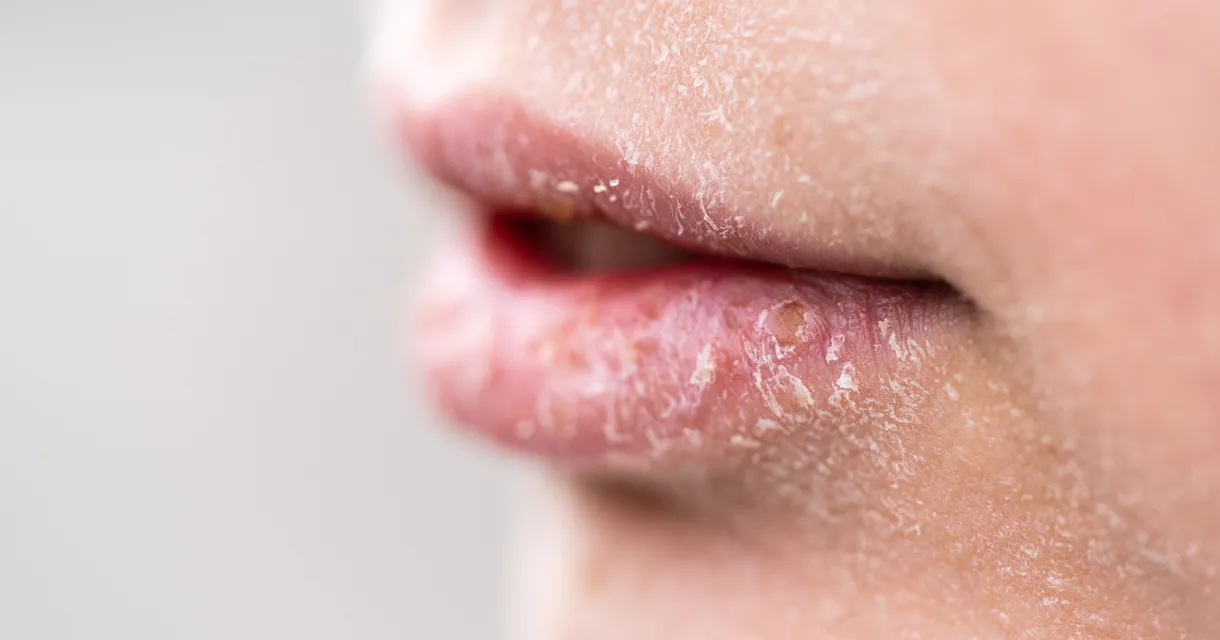
Skin conditions around the face, lips or hands can often look similar, especially in the early stages. Impetigo, eczema and cold sores are commonly confused, but they have very different causes, symptoms and treatments.
This guide breaks down impetigo vs eczema vs cold sore clearly, so you can recognise the signs and know what to do next.
Quick Comparison Guide: Impetigo vs Eczema vs Cold Sore
|
Feature |
Impetigo |
Eczema |
Cold sore |
|
Type |
Bacterial skin infection |
Chronic inflammatory skin condition |
Viral infection (HSV-1) |
|
Is it contagious? |
Yes (highly) |
No |
Yes (during outbreak) |
|
Common areas |
Around nose & mouth, hands |
Hands, face, inner elbows, behind knees |
Lips and around the mouth |
|
Appearance |
Red sores that turn into honey-coloured crusts |
Dry, red, flaky or cracked patches |
Clusters of small blisters filled with fluid |
|
Main symptoms |
Red sores, crusting, mild pain or discomfort |
Intense itching, dry skin, redness or cracking |
Tingling/burning sensation, blisters, pain |
|
How it develops |
Starts as sores → blisters → yellow crusts → spreads quickly |
Gradual flare-ups → dry/itchy skin → may crack or weep |
Tingling → blisters → bursting → scabbing |
|
Cause |
Bacteria entering broken skin |
Skin barrier dysfunction + triggers |
Herpes simplex virus |
|
Treatment |
Antibiotics (topical/oral) |
Emollients, steroid creams |
Antiviral creams/tablets |
What Is Impetigo, What Is Eczema, and What Is a Cold Sore?
|
Condition |
What it is |
|
Impetigo |
A contagious bacterial skin infection that causes red sores and crusting, often around the mouth or nose |
|
Eczema |
A non-contagious, inflammatory skin condition that causes dryness, irritation and inflammation due to a weakened skin barrier |
|
Cold sore |
A viral infection caused by the herpes simplex virus (HSV-1), leading to small blisters, most commonly around the lips and face |
Impetigo vs Eczema vs Cold Sore: Symptoms
|
Symptom |
Impetigo |
Eczema |
Cold sore |
|
Redness |
✅ |
✅ |
✅ |
|
Crusting |
Honey-coloured |
Rare (unless infected) |
Scabbing after blisters burst |
|
Blisters |
Sometimes (bullous type) |
Rare |
Common |
|
Itching |
Mild–moderate |
Intense |
Mild (early), then pain |
|
Pain |
Mild |
Rare |
Common |
|
Fluid/weeping |
Yellow fluid that dries into crusts |
Clear fluid leaking from irritated skin (weeping eczema) |
Fluid-filled blisters that burst and then scab |
|
Spread |
Rapid, especially with contact |
Localised or chronic |
Localised but contagious |
Impetigo vs Eczema vs Cold Sore: Causes
|
Cause |
Impetigo |
Eczema |
Cold sore |
|
Bacteria |
✅(Staph/Strep) |
❌ |
❌ |
|
Virus |
❌ |
❌ |
✅(HSV-1) |
|
Skin damage |
✅(Key trigger) |
✅(Contributing factor) |
✅(Can trigger outbreak) |
|
Immune response |
❌ |
✅ |
✅ |
|
Triggers |
Cuts, insect bites, scratching |
Allergens, irritants, stress |
Stress, illness, sunlight |
Pharmacist explains: Impetigo often develops after skin damage such as cuts or insect bites. If a bite becomes infected, you can get professional support and advice through Weldricks’ insect bite treatment service.
Impetigo vs Eczema vs Cold Sore: Treatment Options
|
Treatment |
Impetigo |
Eczema |
Cold sore |
|
Antibiotic creams |
✅(Main treatment) |
❌ |
❌ |
|
Oral antibiotics |
✅(If severe) |
❌ |
❌ |
|
Moisturisers (emollients) |
Supportive |
✅(Essential) |
❌ |
|
Steroid creams |
❌ |
✅ |
❌ |
|
Antiviral creams |
❌ |
❌ |
✅ |
|
Hygiene measures |
✅(Crucial) |
Helpful |
✅(Important) |
Pharmacist explains: If you’re managing eczema, using the right skincare products is essential. You can explore suitable options in this guide on eczema creams and moisturisers or simply browse all our eczema treatment options.
How to Tell the Difference in Real Life: What Happens Step by Step
At first glance, impetigo, eczema and cold sores can look similar. However, the way they develop over time is often the easiest way to tell them apart:
Impetigo
- Starts as small red spots or sores.
- Quickly develops into blisters or open patches.
- Forms honey-coloured crusts as it dries.
- Can spread to nearby skin areas quite fast.
Key clue: Rapid spread + yellow/golden crusting
Eczema
- Starts as dry, itchy, irritated skin.
- May become red, inflamed and flaky.
- In some cases, skin may crack or leak clear fluid (weeping eczema).
- Tends to come and go over time, rather than spreading rapidly.
Key clue: Long-term dryness + intense itching + flare-ups
Cold Sore
- Begins with a tingling, itching or burning feeling.
- Develops into small fluid-filled blisters.
- Blisters burst, ooze and then form a scab.
- Usually heals in the same spot (often on the lips).
Key clue: Tingling first → then blisters → then scab
Can These Conditions Be Related?
Yes, in some cases:
- Eczema can become infected and lead to impetigo.
- Scratching eczema increases the risk of bacterial infection.
- Cold sores can appear alongside irritated skin.
If you're unsure, it’s important to get the right assessment early.
When Should You Seek Help?
You should consider professional advice if:
- The rash is spreading quickly.
- There is pain, swelling or fever.
- You’re unsure whether it’s impetigo or something else.
- Symptoms are not improving.
You can also learn more about transmission risks in our complete guide on impetigo.
Conditions That Can Be Confused With These
Some skin conditions can look very similar to impetigo, eczema or cold sores, especially in the early stages. Understanding these common lookalikes can help you spot the key differences more easily:
Conditions That Can Look Like Impetigo
- Infected (weeping) eczema
- Ringworm (fungal infection)
- Perioral dermatitis
- Impetigo-like insect bites (especially if scratched)
Conditions That Can Look Like Eczema
- Psoriasis
- Contact dermatitis
- Fungal infections
- Dry skin (xerosis)
Conditions That Can Look Like Cold Sores
- Impetigo on the lips
- Angular cheilitis
- Perioral dermatitis
- Allergic reactions
FAQs
1. Can eczema become impetigo?
Yes. If eczema skin becomes damaged or infected with bacteria, it can develop into impetigo.
2. Is there a test to confirm impetigo?
In most cases, a pharmacist or clinician can diagnose it visually. Lab tests are rarely needed.
3. Can impetigo creams work on a cold sore?
No. Impetigo is bacterial and requires antibiotics, while cold sores are viral and need antiviral treatment.
Differences Between Impetigo, Eczema and Cold Sores — Summary
Although impetigo, eczema and cold sores can look similar, understanding their key differences can help you act quickly and choose the right treatment. Paying attention to symptoms, patterns and triggers can make identification much easier.
If you suspect impetigo or need expert advice, you can access support through Weldricks’ impetigo treatment service for fast, professional guidance.
Published 23rd July 2026 by

Richard Hackett
Director of Pharmacy Service
My first role in Weldricks was as a Saturday assistant before starting at Bradford University, where I obtained a Master of Pharmacy Degree and qualified as a Pharmacist in 2005.
I started my career as a Pharmacist as the manager of our Swinton branch, before moving between several branches and completing a Clinical post-graduate diploma from Keele University in 2010. After re-joining the company in 2019, I’ve held a number of field and central roles before moving into my current position in 2025. I am responsible for the safe and effective running of our Pharmacy Network, working with all different functions to make this happen.