STIs Explained: Symptoms, Testing & Treatment
In this guide
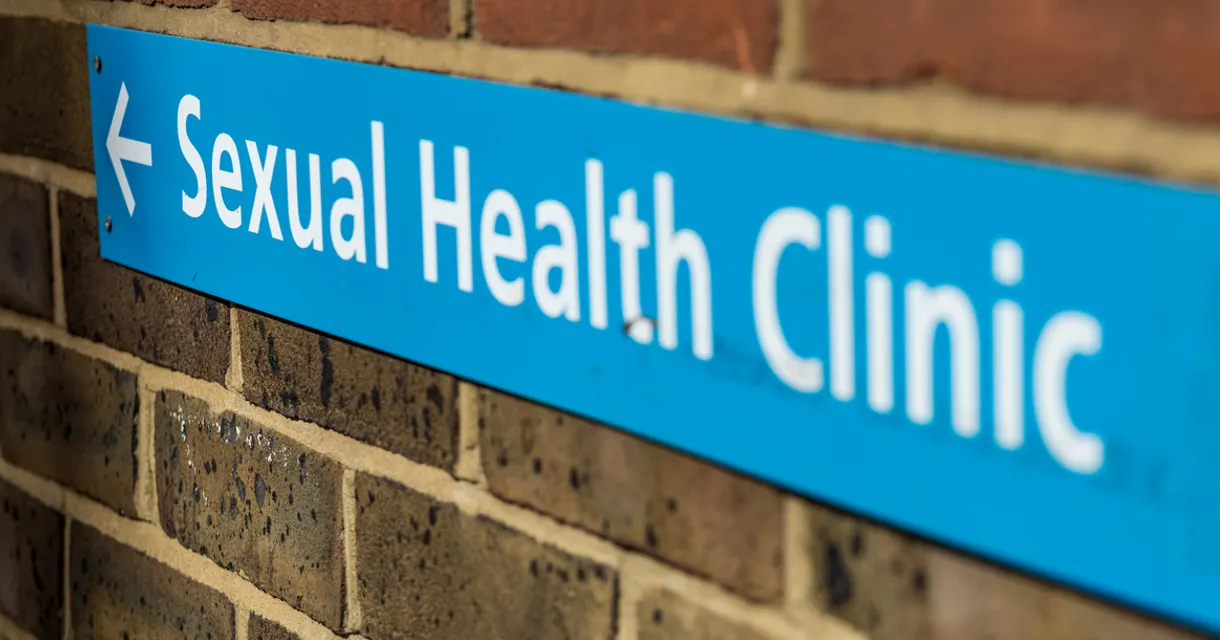
Sexually transmitted infections (STIs) are infections spread through sexual contact, including vaginal, anal, and oral sex. Anyone who is sexually active can get infected with an STI, regardless of age, gender, or number of partners.
They are caused by bacteria, viruses, or parasites. Many of them can be asymptomatic, but when symptoms occur, they can include itching, burning, rashes, and more.
In this guide, we cover everything you should know about STIs!
How Common Are Sexually Transmitted Infections? [UK & Global Stats]
The State of STIs in England
According to the UK Health Security Agency:
- Chlamydia diagnoses decreased by 13% (from 194,143 cases in 2023 to 168,889 in 2024).
- Infectious syphilis diagnoses increased 1.7% (from 9,375 in 2023 to 9,535 in 2024).
- Gonorrhea diagnoses decreased 15.9% (from 85,370 in 2023 to 71,802 in 2024).
- First episode genital warts diagnoses decreased by 4.3% (from 26,193 in 2023 to 25,056 in 2024).
- New STI diagnoses decreased 8.8% (from 399,947 cases in 2023 to 364,750 in 2024).
The State of STIs Worldwide
World Health Organisation data suggest:
- There were an estimated 374 million new infections of chlamydia, gonorrhoea, syphilis, or trichomoniasis in adults aged 15 to 49 in 2020.
- More than 1 million STIs are acquired every day in adults aged 15 to 49 (most of which are asymptomatic).
- About 8 million adults (15-49) were infected with syphilis in 2022.
- There were 700,000 diagnoses of congenital syphilis in 2022.
What Causes STIs?
STIs are caused by microorganisms, such as bacteria, viruses, and parasites. Let’s take a quick look:
- Bacterial STIs are responsible for infections such as chlamydia, gonorrhoea, and syphilis.
- Viral STIs include HIV/AIDS, HSV (genital herpes), Hepatitis B.
- Parasitic & fungal STIs are responsible for infections such as trichomoniasis and pubic lice.
How STIs Spread
Transmission routes include:
- Unprotected sex (vaginal, anal, or oral)
- Skin-to-skin contact
- Sharing sex toys without cleaning them
- Mother-to-baby during pregnancy, birth, or breastfeeding
- Bodily fluid exchange (blood, semen, vaginal fluids)
- Non-sexual transmission (needle sharing, tattoo equipment)
How STIs Do Not Spread [Common Misconceptions]
- Casual contact (hugging, holding hands)
- Casual interactions (coughing, sneezing)
- Touching surfaces (they don’t survive long on surfaces)
Read also: Sexual Wellbeing - Small Changes That Make a Big Difference.
What Are the Types of STIs?
Bacterial Infections
- Chlamydia (learn all about chlamydia in our guide)
- Gonorrhoea
- Syphilis
- Mycoplasma genitalium (Mgen)
- Chancroid
Viral Infections
- Human Papillomavirus (HPV) or genital warts
- Genital Herpes (HSV-1, HSV-2)
- Human Immunodeficiency Virus/HIV (discover everything you need to know about HIV and AIDS)
- Hepatitis B (HBV)
- Molluscum Contagiosum
Parasitic/Other Infections
- Trichomoniasis
- Pubic lice (or “crabs”)
- Scabies
STI Symptoms [In Males & Females]
Common STI Symptoms in Both Men & Women
- Pain or burning during urination
- Itching or pain during sexual intercourse
- Unusual or smelly discharge from the penis, vagina, or anus
- Skin changes like blisters, sores, rashes, or warts on the genitals, anus, or mouth
- Fever-like symptoms, such as muscle pain, fever, fatigue, etc.
Common STI Symptoms in Men
- Pain or swelling in one or both testicles
- Itching or irritation inside the tip of the penis (even when not urinating)
- Penile discharge
Common STI Symptoms in Women
- Vaginal discharge
- Spotting or bleeding (between menstrual periods or after sex)
- Pelvic or abdominal pain
- Vaginal odour
Some sexually transmitted infections show no symptoms at all. People unaware that they have a sexually transmitted infection may, without knowing it, pass the infection on to any sexual partner.
When to See Your Pharmacist
Talk to your pharmacist if:
- You want general advice about sexual health. Your pharmacist will be able to advise you where your nearest clinics are located, should you think that you have an STI.
- You need advice about how to use medicines prescribed by the clinic or by your doctor.
- You need help with condoms or lubricants (e.g., how to use them correctly).
- You need treatment (e.g., specialised creams) for scabies or pubic lice.


When to See Your Doctor
You should see a doctor or visit a GUM clinic if you:
- Have pain or burning when urinating
- Experience pelvic pain, fever, or swollen lymph nodes
- Notice unusual discharge or genital sores
- Had unprotected sex with a new partner
- Have been told your partner (or a former partner) has an STI
STIs are common, so do not feel embarrassed about getting help. Most STIs can be treated if caught early.
However, if left untreated, they can be painful and uncomfortable and can lead to permanent damage to your reproductive system and your fertility. By not treating the infection, you also risk passing it to current and future sexual partners.
Getting Tested for STIs
Getting tested is the only way to know for sure if you have a sexually transmitted infection. Many STIs have no symptoms, so regular screening is essential for anyone who is sexually active, especially with new or multiple partners.
1. Where & How You Can Get Tested
You can get tested in several convenient and confidential ways:
- Sexual health clinics (GUM clinics): This is the best option. Sexual health clinics offer free, confidential testing and treatment for all common STIs (no matter your age, gender, ethnicity, or sexuality). Find a sexual health clinic through the NHS website.
- Your GP practice: Some GP surgeries offer STI testing, especially for common infections like chlamydia or gonorrhoea. However, they’re most likely to refer you to a sexual health clinic.
- At-home test kits: Reliable self-sampling kits offer discreet testing. You collect a sample at home (urine, swab, or blood spot) and then send it to a certified lab. Results are provided securely online.
2. Types of STI Tests
Different STIs require different testing methods. Your clinician will recommend the right one based on symptoms, risk, and sexual history.
Common STI test types include:
- Urine tests: Mostly used to detect chlamydia and gonorrhoea. You simply provide a small urine sample.
- Blood tests: Used to detect viral and bacterial infections such as HIV, syphilis, and hepatitis B or C.
- Swab tests: A cotton swab collects a sample from the vagina, cervix, urethra, anus, or throat to check for trichomoniasis, HPV, herpes, gonorrhoea, or chlamydia.
- Physical exam: A doctor visually examines any sores, rashes, warts, or discharge.
- At-home testing kits
3. When You Should Get Tested
You should get an STI test if you:
- Have had unprotected sex (even once)
- Have a new sexual partner
- Notice symptoms such as unusual discharge, pain, or rashes
- Have been told your current or a past partner has an STI
- Share sex toys without cleaning or condom protection
- Are planning a pregnancy or fertility treatment
- Have engaged in oral or anal sex
- Belong to a higher-risk group (under 25s, MSM, or sex workers)
4. How Often You Should Get Tested
- Every 6 to 12 months, if sexually active
- Every 3 to 6 months, if you change partners frequently
- As soon as symptoms appear
Treatment Options for STIs
Treatment depends on the type of infection:
1. Treatment for Bacterial Infections
- Treated with antibiotics such as penicillin (usually for syphilis), tetracycline, doxycycline (for chlamydia), azithromycin (for chlamydia or mycoplasma), cefixime (gonorrhoea), ceftriaxone (gonorrhoea), or metronidazole.
- The type of antibiotic chosen depends on the particular type of bacterial infection and any other conditions, such as allergies, that may prevent the person from taking the medicine.
2. Treatment for Viral Infections
- HIV: Managed with antiretroviral therapy (ART) to reduce viral load and prevent AIDS. ART allows people living with HIV to live long, healthy lives and prevents transmission to partners.
- Genital herpes (HSV-1/HSV-2): Herpes can’t be cured, but there are antiviral medicines that help shorten outbreaks, ease pain, and reduce recurrence frequency. These include aciclovir, famciclovir, or valaciclovir. Avoid sexual contact during an outbreak to prevent spreading the virus.
- HPV (genital warts): There is no cure, but warts can be treated with topical solutions (podophyllotoxin, imiquimod cream), cryotherapy (freezing), or a minor surgical procedure.
- Hepatitis B and C: Treated with antiviral medicines (e.g., tenofovir, entecavir, or sofosbuvir) and regular liver-function monitoring. Hepatitis B can be prevented through vaccination.
3. Treatment for Parasitic Infections
- Trichomoniasis: Treated with metronidazole or tinidazole.
- Scabies and Pubic Lice: Managed with topical permethrin or malathion lotions and laundering clothes/bedding.
Aftercare & Partner Management
- Avoid sexual contact until both you and your partner(s) have completed treatment and follow-up tests confirm you’re clear.
- Always inform recent sexual partners (from the past 3 months or longer, depending on the STI) so they can get tested.
- Many GUM clinics offer confidential partner notification services.
- Attend your follow-up appointment or retest as advised by your healthcare provider.
What Happens if I Leave an STI Untreated? [Complications]
If left untreated, many STIs can lead to serious health issues:
- Infertility
- Chronic pain
- Pelvic Inflammatory Disease (PID)
- Chronic prostatitis or epididymitis in men
- Increased risk of HIV transmission
- Complications in pregnancy (ectopic pregnancy, miscarriage, stillbirth)
- Increased risk of organ damage or cancer
How to Prevent STIs
|
Preventive measure |
How it helps |
|
Use condoms |
Protects against fluid and skin contact |
|
Limit partners |
Reduces risk of unknown exposures |
|
Get vaccinated |
HPV and hepatitis B vaccines offer strong protection |
|
Regular testing |
Detects infections before symptoms develop |
|
Avoid sex if symptomatic |
Prevents spread during active infection |
|
Don’t share sex toys |
Reduces risk of cross-infection |
STIs Explained — Final Thoughts
Sexually transmitted infections affect people of all ages and backgrounds, and many do not cause obvious symptoms.
Understanding how STIs are spread, recognising signs, knowing when to get tested, and accessing the right treatment are key steps in protecting both your health and your partners’.
Visit Weldricks to find trusted sexual-health products to protect your sexual health with confidence!
FAQs
How long do STIs last?
Bacterial STIs clear within 1-2 weeks with antibiotics, while viral ones (HIV, herpes, Hepatitis B) are generally lifelong, though symptoms can be managed with treatment.
What is the difference between an STI and an STD?
Sexually transmitted infections (STIs) are infections that have not yet developed into diseases. On the other hand, sexually transmitted diseases (STDs) are the result of STIs (when symptoms develop).
Which is the easiest STI to catch?
HPV is considered the easiest STI to catch, as it spreads through simple skin-to-skin contact.
What can be mistaken for an STI?
Urinary-tract infections (see our UTI guide), yeast infections, eczema, and bacterial vaginosis can cause similar symptoms.
What is the most “silent” STI?
Chlamydia is often called the “silent infection”. The majority of infected individuals never develop symptoms. Around 70% of women and 50% of men are asymptomatic.
Published 25th March 2013 by
Allan Green
Registered Pharmacist & Head of E-commerce
Allan has been a Registered Pharmacist for 25+ years
He specializes in Ecommerce and Over the Counter medicines.
He is a Registered Pharmacist, who studied at University of Bradford.
He has been with Weldricks since 2006, starting as a branch manager before moving into area management and deputy superintendent roles.
His current responsibilities include web development, marketing, content, customer service and web operations teams.