What Is Perennial Rhinitis: All You Need to Know!
In this guide

Perennial rhinitis is a chronic inflammatory condition of the nose that affects individuals throughout the year. It can either be allergic or non-allergic, causing symptoms such as a runny or stuffy nose.
In case you experience symptoms like these throughout the year, you may be suffering from perennial rhinitis.
This guide explains what perennial rhinitis is, its main causes, symptoms, treatment options, and how it differs from seasonal allergic rhinitis.
How Common Is Perennial Rhinitis?
A 2007 study found that:
-
The overall prevalence of perennial rhinitis was 23%.
-
Many cases remain undiagnosed, as 45% of patients with investigator-confirmed allergic rhinitis had not previously received a diagnosis.
What Causes Perennial Rhinitis?
Perennial rhinitis can be allergic (caused by allergens your immune system reacts to) or non-allergic (not caused by your immune system).
The most common causes include:
Allergic Causes
-
Dust mites (insect-like creatures that live in mattresses, pillows, furniture, etc.)
-
Pet dander (cats and dogs)
-
Mould spores that grow in damp indoor spaces
-
Cockroach allergens
Non-Allergic Causes
-
Tobacco smoke or air pollution
-
Strong odours from perfumes or cleaning products
-
Sudden temperature or humidity changes
-
Hormonal changes (e.g., pregnancy, thyroid conditions)
-
Certain medications (e.g., blood pressure medicine, sedatives, overuse of decongestant nasal sprays, etc.)
Perennial Rhinitis Symptoms
Common symptoms of perennial rhinitis include:
-
Blocked or runny nose (see our guide on how to clear your blocked or runny nose)
-
Itchy nose or throat
-
Frequent sneezing
-
Post-nasal drip (mucus dripping down the throat)
Severe or chronic symptoms can increase the risk of developing sinusitis. In this case, you may experience the following symptoms:
-
Reduced sense of smell
-
Headaches
-
Fatigue
-
Facial pain
-
Bad breath (by the way, browse all our bad breath products)
-
Poor concentration
How Is Perennial Rhinitis Treated?
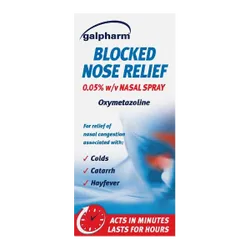
Treatment options depend on whether the cause is allergic or non-allergic. Let’s explore the most common ones for perennial rhinitis:
1. Nasal corticosteroid sprays
Nasal corticosteroid sprays effectively reduce inflammation inside your nose, helping relieve congestion, sneezing, itching, swelling, and other symptoms.
They are more suitable for moderate or severe symptoms and take 2-3 days for their protective effect to build up.

2. Antihistamines
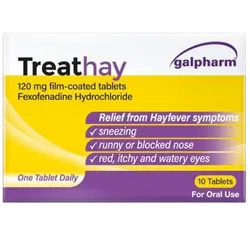
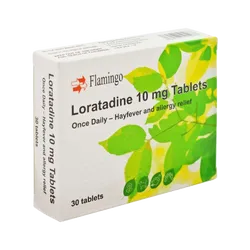
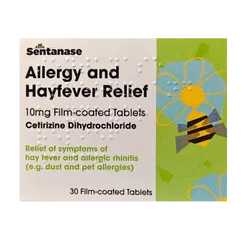
Antihistamines are common over-the-counter (OTC) medications for the treatment of perennial rhinitis.
They work by blocking histamine, a substance your body produces (in response to an allergen), which causes allergy symptoms.
Antihistamines are used to relieve sneezing, a runny or blocked nose, itchy and watery eyes, etc.

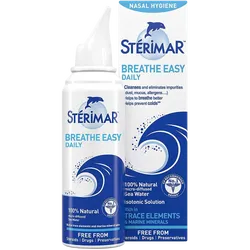
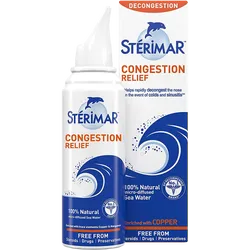
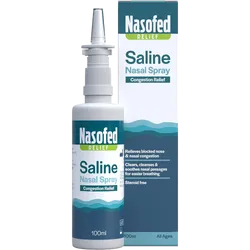
3. Saline or seawater nasal sprays
Saline nasal sprays are widely used to flush out allergens, such as dust or pet hair. They also moisturise the nasal passages and clear thick mucus, helping you breathe easier.
They are suitable for both allergic and non-allergic rhinitis.
4. Allergen (or irritant) avoidance
Identifying and avoiding the allergen or irritant is an effective treatment strategy for perennial rhinitis (allergic or non-allergic).
Reducing exposure to everyday triggers can dramatically improve symptoms. Here are some effective ways to achieve that if you’re suffering from allergic rhinitis:
-
Open the windows to let air in your home.
-
Buy a dehumidifier (especially if you’re allergic to dust mites).
-
Clean and vacuum your home regularly.
-
Use dust mite covers (for pillows and mattresses).
-
Don’t allow your pets on beds, sofas, chairs, etc. (or limit their access).
In case you have non-allergic rhinitis, here’s what you can do:
-
Avoid exposure to strong perfumes or cleaning products. For example, ask your friends not to be too close if they’re wearing strong colognes.
-
Quit smoking and ask others not to smoke inside your house.
-
Limit exposure to fumes and smog.
-
Wear a mask when cleaning or gardening.
-
Check for weather and humidity changes.
-
Be aware of potential triggers found in foods and drinks (alcohol, spicy foods, etc.).
5. Immunotherapy
If you’ve been diagnosed with perennial allergic rhinitis, your healthcare provider may recommend allergen immunotherapy, usually in the form of allergy shots.
Immunotherapy is a long-term treatment, aiming to change your body’s response to the allergen; practically, it will reduce your sensitivity to the substances that cause allergy symptoms.
This treatment option is typically used when a patient doesn’t respond well to other treatments.
Immunotherapy should always be conducted under medical supervision.
Perennial Rhinitis vs. Seasonal Allergic Rhinitis (Hay Fever): What’s the Difference?
Perennial and seasonal allergic rhinitis have many symptoms in common, but they also have notable differences:
| Feature | Perennial Rhinitis | Seasonal Allergic Rhinitis (Hay Fever) |
| Duration of symptoms | All year round (little or no symptom-free periods) | Specific seasons (spring, autumn, etc.) |
| Main triggers/causes | Indoor allergens (dust mite, pet dander) | Outdoor allergens (tree, grass or weed pollen) |
| Typical symptom pattern | Daily or near-daily congestion, runny nose, etc. | Sudden flare-ups (when outdoors) |
| Where symptoms worsen | Indoors (at night or in dusty/poorly ventilated spaces) | Outdoors (particularly during high pollen season) |
If your symptoms tend to worsen during heavy-pollen months, explore our full guide on preparing for allergy season in the UK!
Perennial Rhinitis vs. Cold/Flu: What’s the Difference?
Perennial rhinitis can feel similar to a cold or flu, but there are important differences:
|
Feature |
Perennial Rhinitis |
Cold |
Flu |
|
Duration |
All year round |
Usually 7-10 days |
Usually 1-2 weeks |
|
Cause |
Allergic or non-allergic inflammation of the nasal mucosa |
Viral infection |
Viral infection |
|
Onset |
Gradual & ongoing |
Gradual |
Sudden & intense |
|
Most common symptoms |
Runny nose, nasal congestion, sneezing, itchy nose/eyes |
Sore throat, runny nose, mild cough, congestion, low energy |
High fever, chills, body aches, headache |
|
Contagiousness |
No |
Yes |
Yes |
What Is Perennial Rhinitis — Conclusion
Perennial rhinitis can be frustrating, but understanding your triggers and using the right treatment options can make symptoms way more manageable.
Whether your condition is allergic or non-allergic, there are effective ways to reduce congestion, sneezing, and all the annoying symptoms.
Explore Weldricks’ trusted products for hay fever and allergy relief and say goodbye to year-round discomfort!
FAQs
What foods should I avoid with rhinitis?
Foods containing strong spices, alcohol, hot peppers, or high histamine levels (such as fermented foods) may worsen symptoms in some people.
What will happen if allergic rhinitis is left untreated?
Untreated perennial rhinitis can lead to various complications such as:
-
Sinusitis
-
Nasal polyps
-
Poor sleep
-
Poor concentration
-
Headaches
Published 15th December 2025 by

Allan Green
Registered Pharmacist & Head of E-commerce
Allan has been a Registered Pharmacist for 25+ years
He specializes in Ecommerce and Over the Counter medicines.
He is a Registered Pharmacist, who studied at University of Bradford.
He has been with Weldricks since 2006, starting as a branch manager before moving into area management and deputy superintendent roles.
His current responsibilities include web development, marketing, content, customer service and web operations teams.
Related Products
-
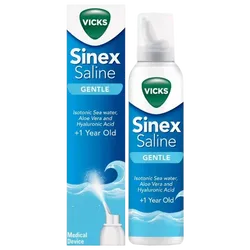
Vicks Sinex Saline Gentle Nasal Spray 120ml £7.09 save £1.41
-
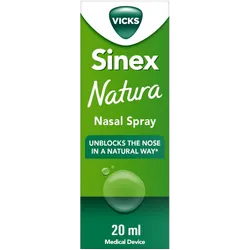
Vicks Sinex Natura Nasal Spray 20ml £4.29 save £2.21
-
Loratadine 10mg Tablets - Non Drowsy - 30 Pack £0.98 -
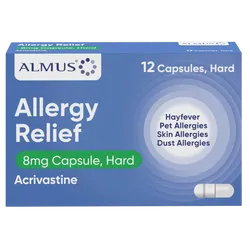
Almus Allergy Relief Acrivastine 8mg Capsules Pack of 12 £4.98 save £0.27
-
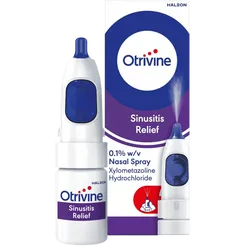
Otrivine Sinusitis Relief Nasal Spray 10ml £4.99 save £1.02
-
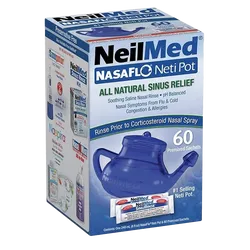
Neilmed NasaFlo Neti Pot With 60 Premixed Sachets £14.49 save £5.50
-
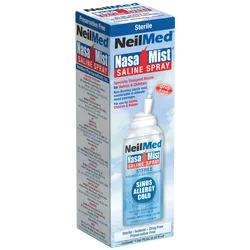
Neilmed NasaMist Saline Nasal Spray 75ml £5.99 save £1.26
-
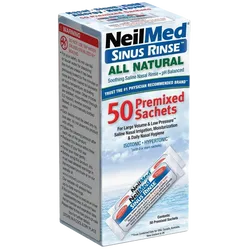
NeilMed Sinus Rinse Refill Sachets Pack of 50 £7.98 save £5.01
-
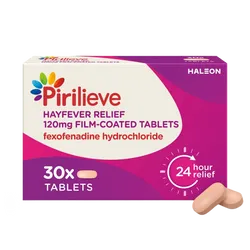
Pirilieve Fexofenadine 120mg Tablets Pack of 30 £8.95 save £3.05
-
Treathay 120mg Fexofenadine Tablets Pack of 10 £2.49 save £1.50
-
Blocked Nose Relief Nasal Spray 15ml £1.59 save £1.10