Common Tree Pollen Allergy Symptoms & How to Treat Them
In this guide
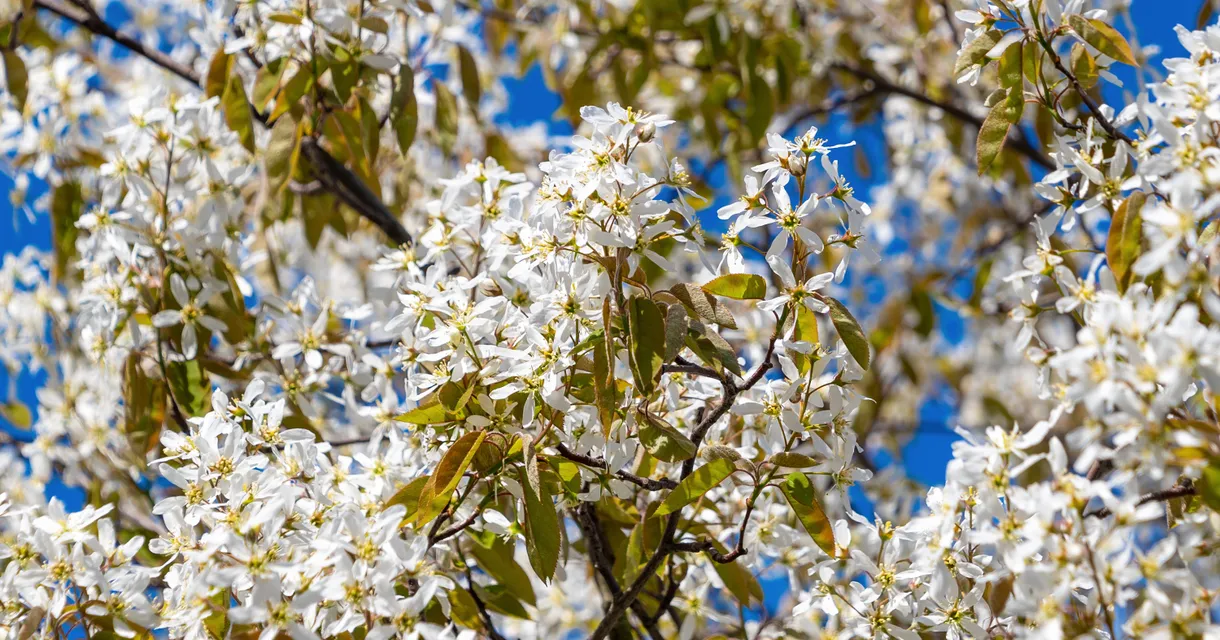
Tree pollen allergy is a common seasonal allergic condition triggered by the immune system’s reaction to pollen released by trees. It often appears in early spring and can trigger symptoms such as sneezing, itchy eyes, and a runny nose.
In this guide, we explore the most common symptoms of tree pollen allergy, what causes them, when pollen levels are highest, and the best treatment and prevention options.
What Are the Most Common Symptoms of Tree Pollen Allergy?
Tree pollen allergies usually fall under hay fever (allergic rhinitis) and can affect the nose, eyes, throat, skin, and even breathing.
The most common symptoms of tree pollen allergy include:
- Sneezing
- Runny or blocked nose (read how to unblock your blocked or runny nose)
- Itchy, watery, red, or irritated eyes
- Sore throat
- Persistent cough (here’s how to treat a cough)
- Headache (learn everything about headache relief)
- Dizziness
- Ear pressure or irritation
- Fatigue
- Shortness of breath or chest tightness
- Skin symptoms such as itchy skin, rash, eczema flare-ups, or hives
- Postnasal drip
- Reduced sense of smell
Is Tree Pollen Allergy Common?
Yes, tree pollen allergy is extremely common. More specifically:
- Around 13 million people in the UK suffer from pollen allergy symptoms.
- In general, hay fever affects 10-15% of children and 26% of adults in the UK.
Read also: Can Babies & Kids Get Hayfever? Signs, Symptoms & Treatments.
What Causes Tree Pollen Allergy?
- Tree pollen (a powder-like substance) is released by trees as part of their reproductive cycle.
- Your immune system misidentifies tree pollen as a harmful substance.
- It then releases chemicals like histamine, which trigger inflammation and the typical symptoms of an allergic reaction.
What Are the Worst Months for Tree Pollen?
Tree pollen season usually occurs between February and June, with April considered the absolute peak month. However, exact timing can vary depending on weather conditions.
Although pollen allergies are most common in spring and summer, many people also experience hay fever symptoms in autumn and winter.
What Trees Produce Pollen?
Common pollen-producing trees include:
- Birch tree
- Oak tree
- Alder tree
- Cedar tree
- Hazel tree
- Ash tree
- Plane tree
- Maple tree
- Pine tree
- Pecan tree
Check the UK pollen calendar below to see when tree pollen levels peak:

Image source: Allergy UK.
Tree Pollen Allergy Risk Factors
Factors that can increase the likelihood of experiencing symptoms include:
- Family history of allergies (such as asthma, eczema, etc.)
- Existing allergic conditions
- Living in high-pollen areas
- Young age (tree pollen allergies often begin in childhood and adolescence)
- Climate and weather conditions (warm temperatures and longer spring seasons can increase pollen production)
Tree Pollen Allergy Treatment
Treating tree pollen allergies usually involves reducing exposure and managing symptoms with medications such as:
1. Antihistamines
Antihistamines block histamine, the chemical responsible for allergic reactions.
The best antihistamines for tree pollen are:
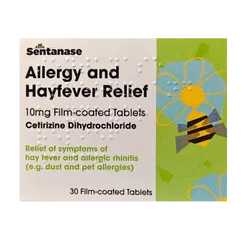
- Cetirizine
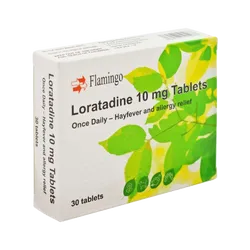
- Loratadine
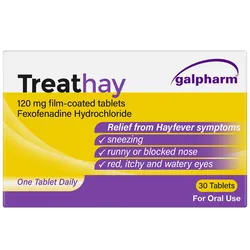
- Fexofenadine
- Levocetirizine
-
Loratadine 10mg Tablets - Non Drowsy - 30 Pack £0.98 -
Treathay Fexofenadine 120mg Tablets Pack of 30 £4.65 save £2.34
-
Chlorphenamine Maleate Tablets (Crescent) 4mg Pack of 28 £1.05 -
Cetirizine 10mg Tablets Pack of 30 £0.78 -
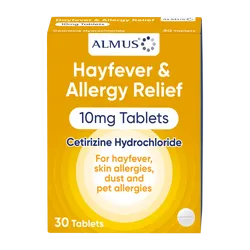
Almus Cetirizine 10mg Tablets Pack of 30 £1.45 save £1.04
-
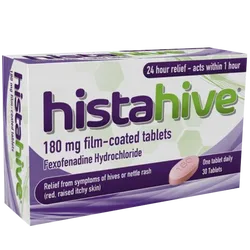
Histahive Fexofenadine 180mg Tablets Pack of 30 £9.18 save £3.81

2. Nasal Sprays (Corticosteroids)
Steroid nasal sprays can reduce inflammation in the nasal passages and improve breathing.
They are particularly helpful for:
- Persistent nasal congestion
- Sneezing
- Runny or itchy nose
-
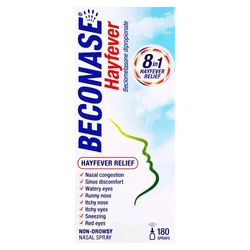
Beconase Hayfever Nasal Spray 180 Dose £9.98 save £1.01
-
Sterimar Breathe Easy Daily Nasal Spray 100ml £5.75 save £1.74
-
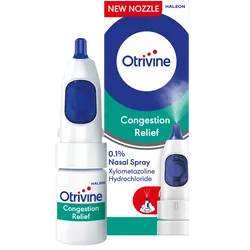
Otrivine Congestion Relief Nasal Spray 10ml £5.38 save £1.12
-
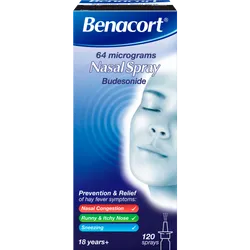
Benadryl Benacort Nasal Spray 64mg - 120 Dose £8.95 save £2.04
-
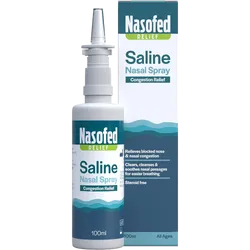
Nasofed Saline Nasal Spray for Congestion Relief 100ml £3.79 save £1.70

Pharmacist’s tip: Intranasal corticosteroid sprays work best when used regularly during the pollen season, rather than only when symptoms appear.
3. Nasal Decongestants
Nasal decongestants shrink swollen blood vessels in the nasal passages, helping to quickly relieve a blocked nose.
They are mostly used for short-term relief of severe nasal congestion.
Pharmacist’s tip: Do not use nasal decongestants for more than 3-5 consecutive days, as overuse may lead to “rebound congestion”, where your nose becomes even more blocked than before.
4. Eye Drops
Antihistamine eye drops can relieve:
- Itchy eyes
- Redness
- Watery eyes
They work quickly and are often used alongside oral antihistamines or other allergy treatments.
Tree Pollen Allergy Prevention
Although pollen exposure cannot be avoided completely, several strategies can help reduce symptoms. Practical prevention tips include:
- Keep windows and doors closed when pollen counts are high.
- Avoid wooded areas, especially in high-pollen season.
- Stay indoors (as much as possible) when the pollen count is high.
- Vacuum regularly using a HEPA filter.
- Change your clothes after spending time outdoors.
- Avoid drying clothes outside during high pollen days.
- Wear sunglasses outdoors to protect your eyes.
- Wear a face mask when spending time outdoors.
- Use air purifiers indoors.
- Apply petroleum jelly around your nostrils to trap pollen.
What Is Pollen-Food Allergy Syndrome & What Foods to Avoid?
Pollen-Food Allergy Syndrome (PFAS), also known as oral allergy syndrome, occurs when the immune system reacts to certain raw fruits, vegetables, or nuts because their proteins are similar to pollen proteins.
As a result, the body mistakenly recognises these foods as allergens and triggers an allergic reaction.
Common symptoms include:
- Itchy mouth or throat
- Tingling lips or tongue
- Mild swelling of the lips or throat
People with tree pollen allergies (particularly to birch, alder, or hazel pollen) may react to the following foods:
- Apples
- Pears
- Cherries
- Carrots
- Celery
- Kiwis
- Peaches
- Plums
- Hazelnuts
- Almonds
Tree Pollen Allergy Symptoms — Final Thoughts
Recognising the signs of tree pollen allergy early and using the right treatments can significantly improve your comfort during pollen season.
Looking for effective treatment options? Explore Weldricks’ full range of trusted hay fever medicine to help manage your symptoms and enjoy the outdoors with greater comfort during pollen season!
FAQs
How long will a pollen allergy last?
Pollen allergy symptoms usually last for as long as pollen is present in the air, which may be several weeks or months.
What is hay fever?
Hay fever is another name for allergic rhinitis, a condition where the immune system reacts to environmental allergens, such as pollen, dust mites, or animal dander.
While hay fever is a broad term for allergic rhinitis caused by pollen, a tree pollen allergy is a specific subtype.
Read also: What Is Perennial Rhinitis: All You Need to Know!
Is tree pollen dangerous?
Tree pollen allergies are typically not dangerous, but they can affect quality of life.
Published 7th May 2026 by

Allan Green
Registered Pharmacist & Head of E-commerce
Allan has been a Registered Pharmacist for 25+ years
He specializes in Ecommerce and Over the Counter medicines.
He is a Registered Pharmacist, who studied at University of Bradford.
He has been with Weldricks since 2006, starting as a branch manager before moving into area management and deputy superintendent roles.
His current responsibilities include web development, marketing, content, customer service and web operations teams.