Prescription-strength treatments may be required for a severe or persistent athlete’s foot, but many effective over-the-counter antifungal products are available. Your local pharmacist can help you choose the most suitable option based on your symptoms and lifestyle.
As we age, circulation and skin condition can change, making feet more vulnerable to dryness, pressure sores and infections. Regular foot care helps maintain comfort, balance and independence, and reduces the risk of complications from minor foot problems.
People with diabetes are more prone to foot problems due to reduced circulation and nerve sensitivity. Good foot care helps prevent ulcers, infections and slow-healing wounds. Regular checks and early treatment of any issues are important.
Blisters should be protected to prevent further friction and infection. Using blister plasters can cushion the area and support healing. Avoid popping blisters where possible, as broken skin increases the risk of infection.
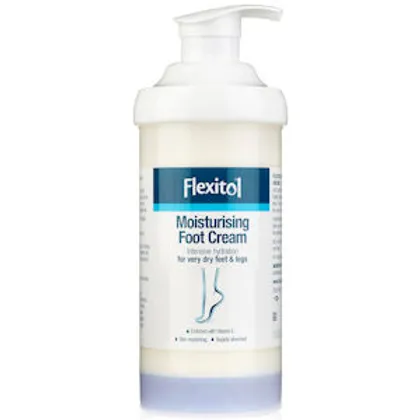
Calluses and corns develop due to repeated pressure or friction. Regular moisturising with a suitable foot cream can help soften hard skin, while corn plasters and pads can relieve pressure. If pain persists, seek advice from a pharmacist or healthcare professional.
Foot pain in the morning is often linked to stiffness or strain from activity, footwear or prolonged standing. Stretching, supportive footwear and appropriate foot care products can help relieve discomfort. Ongoing pain should be assessed by a healthcare professional.
You should seek professional advice if foot pain is severe, persistent, worsening, or accompanied by swelling, redness or signs of infection. Your local pharmacist can offer guidance on suitable treatments or refer you to further care if needed!