Daily Foot Care Routine: Tips for Healthy Feet & Common Foot Problems
Written by Allan Green
Products in this guide: Profoot Intensive Repair Cracked Heel Cream 60ml, Canesten Athlete’s Foot 1% w/w Cream 30g, Canesten Hydrocortisone Cream 15g and 16 more
Ask our pharmacistIn this guide

Your feet support you every day, helping you walk, exercise, work and stay active. Over the course of an average person’s life, your feet will carry you over 100,000 miles.
Despite this, they're often one of the most overlooked parts of the body when it comes to daily self-care. Without a proper daily foot care routine, problems such as dry skin, cracked heels, or fungal infections can develop, causing discomfort and affecting your mobility.
The good news is that keeping your feet healthy doesn't have to be complicated. This guide will show you how to properly take care of your feet.
Key Takeaways
- A consistent foot care routine can help keep your feet healthy and reduce the risk of common foot problems.
- Wash, dry and moisturise your feet regularly, and wear well-fitting shoes and clean socks to support good foot hygiene.
- Treat common foot problems early to relieve symptoms and help prevent them from becoming worse.
- Check your feet regularly, especially if you have diabetes, so you can spot potential problems early.
- See a podiatrist or GP if you have persistent pain, infection, or a foot problem that isn't improving.
How to Properly Take Care of Your Feet
While some of these habits are best done every day, others only need to be carried out weekly or as required. Together, they form a simple foot care routine that can help keep your feet healthy all year round.
1. Wash Your Feet Every Day
Many foot problems stem from the growth of bacteria, resulting in fungal infections of the feet. That’s why a good foot hygiene routine is essential.
Wash your feet every day using warm water and soap.
Regular washing helps remove:
- Sweat
- Dirt
- Dead skin
- Bacteria
- Fungi that can contribute to common foot infections
Pay particular attention to the areas between your toes, where moisture and bacteria are more likely to build up.
If you have particularly dry or sensitive skin, you may find our guide to Dermol products helpful for choosing a suitable emollient cleanser.
Pharmacist tip: Avoid very hot water, as this can strip the skin of its natural oils and make dry feet worse.
2. Dry Your Feet Thoroughly
You should ensure that your feet do not remain moist for any prolonged periods of time. Moist environments are perfect for bacterial growth, leading to infections such as athlete’s foot.
You should therefore make sure that your feet are properly dried after washing. So, after washing:
- Pat your feet dry with a clean towel.
- Dry carefully between each toe.
- Allow your feet to air dry briefly before putting on socks.
If you exercise regularly or your feet become sweaty during the day, wash and dry them again as soon as possible.
Pharmacist tip: If your shoes become damp after exercise, allow them to dry completely before wearing them again.
3. Moisturise Dry Feet Every Day
Keeping your skin moisturised is one of the simplest ways to maintain soft, healthy feet and reduce the risk of cracked skin.
Applying a moisturising foot cream every day can help:
- Reduce dryness
- Improve skin hydration
- Prevent rough or callused skin
- Reduce the likelihood of cracked heels
Pay particular attention to your heels and the soles of your feet, where the skin is naturally thicker. However, avoid applying moisturiser between your toes, as excess moisture may encourage fungal infections.
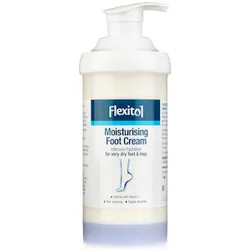
If your heels are already dry or cracked, a specialist heel balm may provide more intensive hydration. For example, the Flexitol range includes foot creams for everyday moisturising, as well as targeted treatments specially formulated to help repair dry, cracked heels:



4. Exfoliate Hard Skin Regularly
Even with daily moisturising, areas of hard skin can gradually develop due to repeated pressure and friction. Using a foot file or a pumice stone once or twice a week can help remove dead skin and leave your feet feeling smoother.
Avoid filing too aggressively, as removing too much skin can cause soreness or damage healthy tissue.
If you have diabetes or poor circulation, seek professional advice before attempting to remove hard skin yourself.
5. Trim Your Toenails Correctly
Proper nail care plays an important role in any foot care routine at home. Trim your toenails regularly using clean nail clippers.
To help prevent ingrown toenails:
- Cut nails straight across.
- Avoid cutting too short.
- Don't round the corners excessively.
If your nails are particularly thick, cutting them after a bath or shower may make them easier to trim.
Pharmacist tip: Never tear or bite your toenails, as this can increase the risk of infection.
6. Wear Well-Fitting Footwear
Many common foot problems develop because shoes place unnecessary pressure on the feet.
Shoes that are too tight can contribute to:
- Corns
- Calluses
- Bunions
- Ingrown toenails
Meanwhile, shoes that are too loose allow excessive rubbing, increasing friction and blister formation.
When buying new footwear:
- Choose shoes with adequate toe room.
- Ensure your heel fits securely.
- Shop later in the day, when your feet are naturally slightly larger.
7. Wear Clean Socks & Change Them Daily
Fresh socks are an important part of everyday foot care. Changing your socks every day helps reduce moisture build-up and keeps bacteria under control.
Choose socks that:
- Fit comfortably.
- Wick moisture away from the skin.
- Are appropriate for your activity level.
If your feet sweat heavily, changing socks during the day may also help reduce moisture and improve comfort.
8. Check Your Feet Regularly
Taking a few moments to inspect your feet can help you spot potential problems before they become more serious.
Look out for:
- Cuts
- Blisters
- Swelling
- Redness
- Changes in nail colour
- Cracked skin
- Signs of infection
People living with diabetes should check their feet every day, as reduced sensation means injuries may go unnoticed. For more advice, read our guide to diabetes management.
9. Protect Your Feet in Communal Areas
Warm, damp communal environments are ideal places for fungal infections to spread. Avoid walking barefoot whenever you're using:
- Gym changing rooms
- Public showers
- Swimming pools
Instead, wear flip-flops or pool sliders to reduce your risk of athlete's foot and other infections.
Common Foot Problems
Even with a good daily foot care routine, foot problems can still develop from time to time. Recognising the symptoms early and starting appropriate treatment can help prevent them from becoming worse.
Let's look at some of the most common foot problems, along with the treatments that can help manage them:
Athlete's Foot
Athlete's foot (tinea pedis) is one of the most common fungal infections affecting the feet. It is contagious and can spread easily in warm, damp environments. It is often picked up in communal changing rooms, gyms, and swimming pools.
Athlete’s foot is common amongst athletes, as they are often required to wear trainers for long periods of time, which trap moisture from sweat and heat whilst exercising.
Common symptoms include:
- Itching
- Redness
- Peeling skin
- Cracking between the toes
- Blisters
If left untreated, athlete's foot may spread to the toenails or other parts of the body.
How to treat it
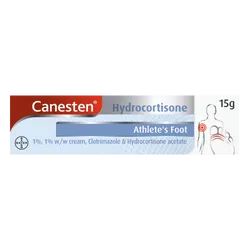
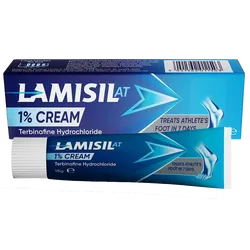
Most cases of athlete's foot can be treated successfully using over-the-counter antifungal medicines, particularly when treatment is started early.
Treatment options include:
- Antifungal powders help treat the fungal infection while relieving symptoms such as itching and soreness. They can also be applied inside shoes and socks after treatment to help reduce the risk of reinfection.
- Antifungal sprays, such as Daktarin Activ Spray Powder, are particularly useful for treating the skin between the toes. As well as helping to treat the infection, they can also be sprayed inside footwear to help eliminate any remaining fungi and bacteria.
Read also: How to Care For Athlete’s Foot: Symptoms & Treatment.
Corns & Calluses
Corns and calluses are thickened areas of skin caused by repeated pressure or friction.
These develop in areas where the body is trying to protect itself from friction and pressure; therefore, they are commonly found on the feet. Whilst they do not cause any harm to the person, they can make people self-conscious and cause mild discomfort.
They're commonly associated with:
- Ill-fitting footwear
- High levels of walking
- Foot deformities
How to treat them
Treatment focuses on reducing pressure and friction to allow the skin to heal. Wearing well-fitting shoes is the most important step, as this helps prevent corns and calluses from returning.
Over-the-counter treatments can also help, including:
- Corn plasters or foam cushions, which cushion the affected area and relieve pressure, particularly for corns on or between the toes.
- Liquid corn treatments, which help soften hardened skin, making the corn easier to remove over time.
- Callus plasters (see Compeed’s callus plaster pack), which help relieve pressure while retaining the skin's natural moisture to gradually soften thickened skin.
If corns or calluses become painful, keep returning, or you have diabetes or poor circulation, seek advice from a podiatrist.
Bunions
Bunions are large bony lumps that develop at the base of the big toe when the joint gradually moves out of alignment. Over time, the affected area may become swollen, red, and painful, particularly when wearing shoes.
Common causes include:
- Genetics and foot shape
- Arthritis
- Wearing tight or narrow footwear
- Long-term pressure on the big toe joint
How to treat them
Although bunions can't usually be corrected without surgery, you can help manage symptoms by:
- Wearing wide-fitting shoes with a soft sole.
- Applying an ice pack if the area becomes swollen.
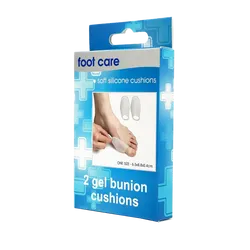
- Using protective bunion pads (e.g., Carnation Bunion Pads Oval Pack) to reduce friction.
Toenail Fungus
Toenail fungus (onychomycosis) is a common fungal infection that causes the nail to gradually change in appearance.
Early signs include:
- White or yellow patches beneath the nail
- Thickened nails
- Brittle or crumbly nails
- Discolouration
- Separation from the nail bed
Toenail fungus often develops after an untreated athlete's foot infection and can take several months to improve because toenails grow slowly.
How to treat it
Toenail fungus often requires several months of consistent treatment, as healthy nails grow slowly and the infection can be difficult to clear completely.
Treatment options include:
- Antifungal brushes or pens (such as the Nailner Fungal Nail Infection Brush), which work by creating an environment that makes it harder for the fungus to survive and grow.
- Antifungal nail lacquers (such as the Curanail 5% Anti-Fungal Nail Treatment), which penetrate the nail to help eliminate the infection and reduce the risk of it spreading.
If the infection affects multiple nails or doesn't improve with over-the-counter treatment, speak to your GP.
Ingrown Toenails
Ingrown toenails develop when the edge of the nail grows into the surrounding skin. They may cause:
- Pain
- Swelling
- Redness
- Tenderness
- Infection if left untreated
They're often caused by:
- Cutting nails incorrectly
- Tight footwear
- Repeated pressure during sport (ballet dancers and footballers are prone to ingrown toenails, as they put large amounts of pressure on their nails and feet)
- Injury to the toe
How to treat them
Mild ingrown toenails can often be managed at home by:
- Soaking the affected foot in warm water for 15–20 minutes, three to four times a day.
- Wearing comfortable, wide-fitting footwear.
If symptoms persist, ingrown toenail treatment kits may help guide the nail to grow more naturally while relieving discomfort. However, if the toe becomes increasingly painful, swollen or infected, seek medical advice, as further treatment or a minor surgical procedure may be needed.
When Should You See a Podiatrist?
Many common foot problems can be managed at home, but some require professional assessment.
Consider seeing a podiatrist if you have:
- Persistent foot pain.
- An ingrown toenail that isn't improving.
- A suspected foot infection.
- A foot ulcer or wound that isn't healing.
- Recurrent fungal nail infections.
- Severe corns or calluses causing pain.
- Diabetes and any new foot problems.
Foot Care Guide — Final Word
Looking after your feet doesn't have to be complicated. Washing and drying them properly, moisturising regularly, wearing well-fitting footwear, and checking for changes can all help keep your feet healthy and reduce the risk of common foot problems.
Whether you're managing dry skin, cracked heels, or simply looking to improve your daily foot care routine, explore our full range of foot care products to help keep your feet healthy, comfortable, and ready for whatever the day brings!
FAQs
Is vaseline good for my feet?
Yes, vaseline (petroleum jelly) can help lock moisture into dry skin and may be particularly useful for very dry feet or cracked heels.
For best results:
- Apply it after washing and drying your feet.
- Wear cotton socks overnight to help retain moisture.
- Avoid applying it between the toes, where excess moisture can encourage fungal infections.
Is it better to cut or file my nails?
For most people, cutting toenails with nail clippers is the best option. A nail file can then be used to smooth any sharp edges afterwards. Avoid tearing, biting or aggressively filing your nails, as this can increase the risk of nail damage and ingrown toenails.
What's the best treatment for my feet?
The best treatment depends on the specific foot problem you're trying to manage:
|
Foot problem |
Recommended product or treatment |
|---|---|
|
Dry feet |
Moisturising foot cream |
|
Cracked heels |
Heel balm formulated for cracked skin |
|
Athlete’s foot |
Antifungal cream, spray, or powder |
|
Corns |
Corn plasters or protective cushions |
|
Calluses |
Foot file or pumice stone followed by a moisturiser |
|
Mild foot irritation |
Emollient creams or washes |
How often should I moisturise my feet?
For most people, moisturising once a day is enough to keep the skin soft and healthy.
However, if you have particularly dry feet or cracked heels, applying moisturiser twice daily may help improve hydration. Always avoid applying moisturiser between the toes to reduce the risk of fungal infections.
Published 3rd April 2020 by

Allan Green
Registered Pharmacist & Head of E-commerce
Allan has been a Registered Pharmacist for 25+ years
He specializes in Ecommerce and Over the Counter medicines.
He is a Registered Pharmacist, who studied at University of Bradford.
He has been with Weldricks since 2006, starting as a branch manager before moving into area management and deputy superintendent roles.
His current responsibilities include web development, marketing, content, customer service and web operations teams.
Related Products
-
Profoot Intensive Repair Cracked Heel Cream 60ml £3.98 save £2.01
-
Canesten Athlete’s Foot 1% w/w Cream 30g £4.98 save £1.61
-
Canesten Hydrocortisone Cream 15g £5.69 save £2.00
-
Daktarin Powder 20g £5.19 save £3.56
-
Daktarin Cream 2% 30g £5.89 save £4.51
-
Lamisil AT Cream 15g £5.89 save £1.10
-
Profoot Corn Cushion Pads Pack of 12 £1.59 save £0.66
-
Carnation Bunion Pads Oval Pack of 4 £1.69 save £0.46
-
Profoot Bunion Cushions Pack of 4 £1.65 save £0.35
-
Flexitol Intensely Nourishing Foot Cream 485g £17.99 save £7.00
-
Flexitol 10% Urea Cream 500g £18.19 -
Flexitol Heel Balm 500g £21.95 save £1.04
-
Flexitol Heel Balm 75g £6.45 -
Carnation Corn Remover Pen £3.98 save £1.12
-
Carnation Toenail Softening Solution 14ml £3.09 save £0.66
-
Medisure Gel Bunion Cushions Pack of 2 £0.79 -
Medisure Gel Heel Cushions Pack of 2 £0.99 -
Medisure Gel Toe Tubes Pack of 2 £0.69 -
Medisure Ball of Foot Cushions Pack of 2 £0.79