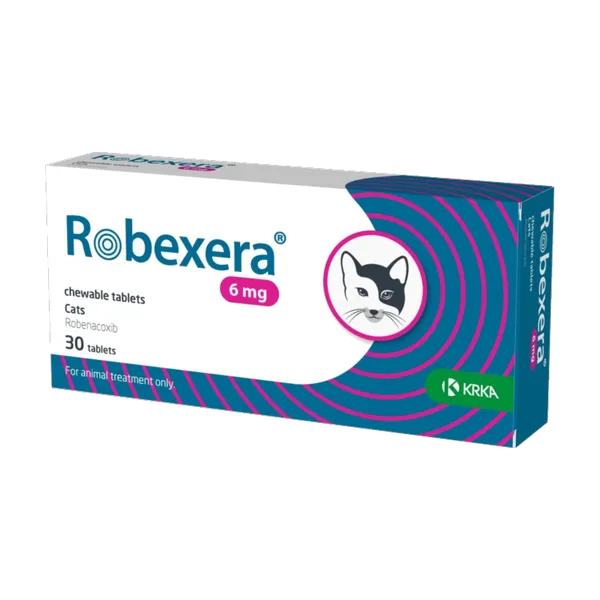
Before use
Do not use:
- in cats suffering from gastrointestinal ulceration.
- concomitantly with corticosteroids or other non-steroidal anti-inflammatory drugs (NSAIDs).
- in case of hypersensitivity to the active substance or to any of the excipients.
- in pregnant and lactating animals.
Special precautions for use in animals:
- The safety has not been established in cats weighing less than 2.5 kg or under 4 months of age.
- Use in cats with impaired cardiac, renal or hepatic function or in cats that are dehydrated, hypovolaemic or hypotensive may involve additional risks. If use cannot be avoided, these cats require careful monitoring.
- Response to treatment should be monitored at regular intervals by a veterinary surgeon.
- Use under strict veterinary monitoring in cats with a risk of gastrointestinal ulcers, or if the cat previously displayed intolerance to other NSAIDs.
Precautions for the person giving the product:
- In pregnant women, particularly near-term pregnant women, prolonged dermal exposure increases the risk for premature closure of the ductus arteriosus in the foetus. Pregnant women should take special care to avoid accidental exposure.
- In small children, accidental ingestion increases the risk for NSAID adverse effects. Do not remove tablets from the blister until ready to administer to the animal. Tablets should be administered and stored (in the original packaging) out of sight and reach of children. In case of accidental ingestion, seek medical advice immediately and show the package leaflet or the label to the physician.
- Wash hands after use.
Pregnancy, lactation and fertility: The safety has not been established during pregnancy and lactation, or in cats used for breeding.
Interactions:
- Must not be administered in conjunction with other NSAIDs or glucocorticosteroids. A treatment-free period with other anti-inflammatory medicines should be observed for at least 24 hours before starting treatment, taking into account the properties of the products used previously.
- Concomitant treatment with medicines acting on renal flow, e.g. diuretics or angiotensin converting enzyme (ACE) inhibitors, should be subject to clinical monitoring.
- As anaesthetics may affect renal perfusion, parenteral fluid therapy during surgery should be considered.
- Concurrent administration of potentially nephrotoxic medicines should be avoided.
- Concurrent use of other active substances with a high degree of protein binding may compete with robenacoxib and lead to toxic effects.
Adverse events and overdose
Common (1 to 10 animals in 100 treated): diarrhoea, vomiting (mild and transient).
Very rare (less than 1 animal in 10,000 treated, including isolated reports): elevated renal parameters (creatinine, BUN and SDMA), renal insufficiency (more commonly in older cats and with concomitant use of anaesthetic or sedative agents), lethargy.
Reporting adverse events is important. It allows continuous safety monitoring of a veterinary medicinal product. Reports should be sent, preferably via a veterinarian, to either the marketing authorisation holder or its local representative or the national competent authority via the national reporting system.
Overdose: As with any NSAID, overdose may cause gastrointestinal, kidney, or liver toxicity in sensitive or compromised cats. There is no specific antidote. Symptomatic supportive therapy is recommended and should consist of administration of gastrointestinal protective agents and infusion of isotonic saline.
Storage and disposal
- Do not store above 30°C. Store in the original package in order to protect from moisture.
- Medicines should not be disposed of via wastewater. Use take-back schemes for the disposal of any unused veterinary medicinal product or waste materials derived thereof in accordance with local requirements and with any national collection systems applicable.