The Best Post-Workout Supplements for Gym Recovery & Muscle Health
In this guide

After an intense workout, your muscles need time and the right nutrients to recover, repair, and grow stronger.
While a balanced diet is essential, certain supplements can support muscle recovery, reduce fatigue, and help you get the most out of your training.
If you’re wondering what the best post-workout supplements are, how they work, and why they’re important, read on to find out!
Key Takeaways
- Post-workout recovery is essential for muscle repair, growth, and overall performance after exercise.
- Protein, vitamin D, magnesium, vitamin C, and iron are among the best post-workout supplements for supporting muscle function and reducing fatigue.
- Supplements can support recovery, but they should always complement a balanced diet and proper hydration.
- Lifestyle factors such as sleep, stretching, and stress management play a key role in effective muscle recovery.
Why Is Post-Workout Muscle Recovery Important?
During exercise, especially strength training and heavy lifting, small tears occur in muscle fibres.
Muscle recovery is the process by which these fibres repair and rebuild stronger.
Poor recovery can result in:
- Muscle soreness
- Fatigue
- Reduced performance and strength gains
- Increased risk of injury
That’s why proper muscle recovery is an important part of any workout routine.
Top 5 Post-Workout Supplements
1. Protein
Protein contributes to the growth and maintenance of muscle mass.
It can be consumed through protein-rich foods such as meat, fish, eggs, dairy, legumes, and nuts, or in more convenient forms like protein powders and supplements.
2. Vitamin D
Vitamin D contributes to the maintenance of normal muscle function and normal bones, making it highly relevant for athletes and active individuals.
Proper vitamin D intake can help you keep your muscles healthy and performance levels at their peak.
Read more: The Surprising Benefits of Vitamin D.
Explore Weldricks’ trusted vitamin D supplements:
-
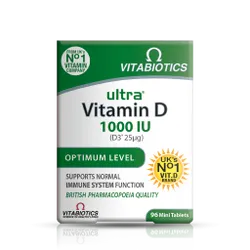
Vitabiotics Ultra Vitamin D3 1000iu Tablets Pack of 96 £3.89 save £2.26
-
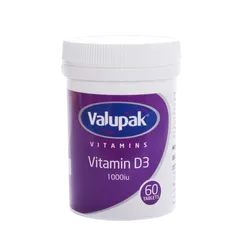
Valupak Vitamin D3 1000iu tablet Pack of 60 £1.09 save £0.16
-
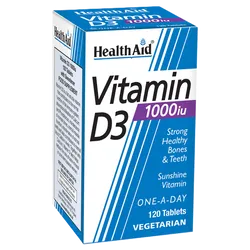
HealthAid Vitamin D3 1000iu Tablets Pack of 120 £9.19 save £2.80
-
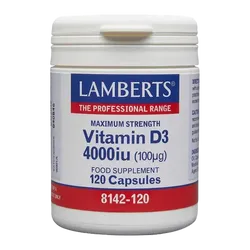
Lamberts Vitamin D3 4000iu Capsules Pack of 120 £11.59 save £4.91
-
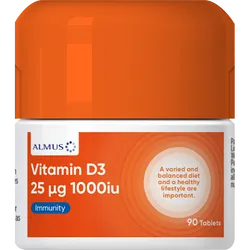
Almus Vitamin D3 1000iu Tablets Pack of 90 £1.09 save £0.90
3. Magnesium
Magnesium is an essential mineral that plays a key role in post-workout recovery, particularly through its contribution to:
- Normal muscle function: After intense exercise, magnesium supports normal muscle function, which is important for proper contraction and relaxation of muscles. This may help reduce feelings of tightness or discomfort after training.
- Electrolyte balance: As an electrolyte, magnesium also contributes to electrolyte balance, helping regulate fluid levels in the body. This is especially important after sweating, as maintaining this balance supports hydration, nerve signalling, and overall muscle performance.
- Reduction of tiredness and fatigue: Magnesium can also help you feel more recovered and ready for your next workout.
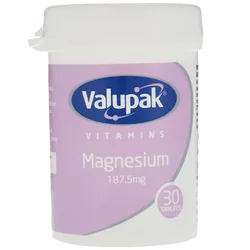
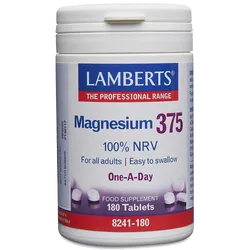
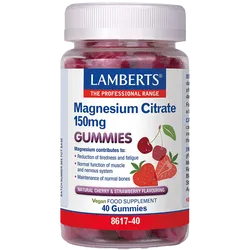
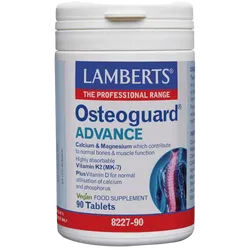
Find magnesium supplements to support your overall health:
4. Vitamin C
Vitamin C plays an important role in post-workout recovery through several key functions:
- Immune function: Vitamin C supports the normal function of the immune system, including during and after intense physical exercise. This is important because strenuous workouts can temporarily weaken immune defences, potentially slowing recovery if the body is under additional stress. Learn how to boost your immune system to support faster recovery and maintain consistent workout performance.
- Reduction of tiredness and fatigue: It helps reduce feelings of fatigue after exercise, allowing your body to recover more efficiently and making it easier to return to training with consistent energy levels.
- Energy-yielding metabolism: Vitamin C helps your body convert nutrients into usable energy, which supports the recovery process after demanding workouts.
- Protection from oxidative stress: Exercise increases oxidative stress in the body. Vitamin C helps protect cells from this stress, which is important for supporting muscle repair and limiting cellular damage after training.
- Collagen formation: Vitamin C is one of the most important vitamins for joints and muscles, as it contributes to normal collagen formation, which supports structures such as cartilage and connective tissue. This can help maintain joint health and overall musculoskeletal function, especially with regular training.
Read also: Vitamin C Benefits: Skin, Immunity & Everyday Energy.
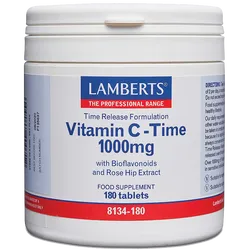
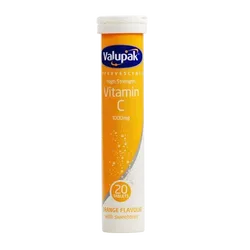
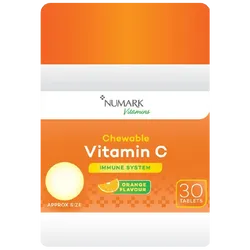
Explore all our vitamin C supplements:
-
Lamberts Vitamin C Time Release with Bioflavonoids Tablets 1000mg Pack of 180 £17.98 save £4.97
-
Valupak Vitamin C Effervescent High Strength 1000mg Pack of 20 £1.95 save £0.45
-
Numark Chewable Vitamin C 500mg Tablets Pack of 30 £1.85 save £0.84
-
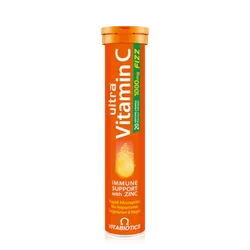
Vitabiotics Ultra Vitamin C Effervescent Tablets Pack of 20 £3.99 save £0.96
5. Iron
Iron also plays an important role in post-workout muscle recovery. Let’s explore how exactly it does that:
- Oxygen transport: Iron contributes to normal oxygen transport in the body, helping deliver oxygen to working muscles. This is essential after exercise, as muscles rely on oxygen to recover, repair, and function efficiently.
- Normal formation of red blood cells & haemoglobin: Iron supports normal formation of red blood cells and haemoglobin, which are responsible for carrying oxygen in the bloodstream. Healthy levels help ensure muscles receive the oxygen they need for effective recovery.
- Reduction of tiredness and fatigue: Adequate iron levels reduce feelings of tiredness after exercise, supporting faster recovery.
- Energy-yielding metabolism: Iron supports normal energy production, helping your body turn nutrients into usable energy, which aids recovery after intense physical activity.
Read also: Iron & Anaemia: Low Energy? Here’s What to Check.
Other Common Supplements That May Indirectly Support Recovery
The following supplements are commonly used in fitness routines.
However, it’s important to note that they do not have authorised health claims for muscle recovery.
They may still support overall performance or training outcomes, which can indirectly influence muscle recovery. The most popular ones include:
- Creatine (widely used to improve performance during short bursts of high-intensity exercise)
- Amino acids (often taken around workouts to support muscle protein synthesis)
- Omega-3 fatty acids / fish oil (known for supporting heart and brain health and commonly associated with inflammation management)
Practical Tips for After-Workout Muscle Recovery
1. Stay Hydrated
Drinking plenty of water or electrolyte drinks after a workout will help you replace fluids lost through sweat.
Staying properly hydrated supports circulation, nutrient delivery, and muscle function, all of which are essential for recovery and preventing fatigue or cramps.
2. Eat a Balanced Post-Workout Meal
A combination of protein and carbohydrates helps replenish glycogen stores and supports muscle repair.
Whole foods should always be the foundation, with supplements used to complement your diet rather than replace it.
3. Focus on Gentle Stretching
Gentle stretching after exercise can help reduce muscle stiffness and improve flexibility. It also promotes blood flow to the muscles, which supports recovery and may reduce soreness over time.
4. Get Enough Sleep
Sleep is one of the most important recovery tools. During sleep, the body repairs tissues and regulates hormones that support muscle growth. Poor sleep can slow recovery and reduce performance.
5. Try Active Recovery
Light activities such as walking, cycling, or yoga can help reduce muscle soreness by increasing blood flow without putting additional strain on the muscles.
If you’re not sure where to start, gentle activities like yoga can be a great first step to support recovery and improve flexibility over time. Read all about yoga for beginners in our guide!
6. Manage Stress Levels
High or chronic stress can increase inflammation and disrupt your sleep. So, supporting your mental health is just as important as physical recovery.
Explore the best supplements for stress relief to support relaxation, improve sleep quality, and enhance overall recovery after exercise.
Best Post-Workout Supplements — Final Thoughts
Supporting your body after exercise is just as important as the workout itself. By combining the right nutrients, smart recovery habits, and a consistent routine, you can help your muscles recover faster and more effectively.
Find all the essential vitamins and supplements to support your fitness goals and overall health!
FAQs
How soon after training should I take post-workout supplements?
Try consuming post-workout supplements within 30-60 minutes after training, which is often referred to as the “recovery window”.
Can supplements replace food for recovery?
No. Supplements should support, not replace, a balanced diet. Whole foods provide a wider range of nutrients that are essential for recovery and overall health.
Published 5th May 2026 by

Allan Green
Registered Pharmacist & Head of E-commerce
Allan has been a Registered Pharmacist for 25+ years
He specializes in Ecommerce and Over the Counter medicines.
He is a Registered Pharmacist, who studied at University of Bradford.
He has been with Weldricks since 2006, starting as a branch manager before moving into area management and deputy superintendent roles.
His current responsibilities include web development, marketing, content, customer service and web operations teams.