Snoring: Causes, Effective Treatments & How to Prevent It Naturally
In this guide

Snoring is a common condition that occurs when airflow through the mouth or nose is partially blocked during sleep, causing surrounding tissues to vibrate and produce sound.
While occasional snoring is usually harmless, frequent or loud snoring may indicate an underlying issue.
In this guide, we’ll explore the most effective snoring treatments, the main causes of snoring and practical ways to reduce or prevent it.
Key Takeaways
- Snoring is common but not always harmless. While occasional snoring is normal, loud or persistent snoring may indicate conditions like obstructive sleep apnoea (OSA).
- The main causes of snoring include nasal congestion, sleeping on your back, excess weight, alcohol, smoking, and anatomical factors that restrict airflow during sleep.
- Treatment depends on the cause, with effective options including mandibular advancement devices (MADs), nasal strips or dilators, sprays, CPAP, and, in some cases, surgery.
- Simple lifestyle changes can make a big difference, such as sleeping on your side, maintaining a healthy weight, avoiding alcohol before bed, and improving sleep habits.
- See a doctor if snoring is severe or affects your sleep quality, especially if it is accompanied by breathing pauses, fatigue, or other symptoms.
Is Snoring Normal? Should I Be Worried?
Snoring is quite common (40% of men and 30% of women have at least mild snoring) and, in many cases, not a cause for concern.
However, persistent, loud, or disruptive snoring may be linked to conditions such as obstructive sleep apnoea (OSA), which may require medical attention.
If it affects your sleep quality or that of others, it’s worth exploring potential causes and solutions.
What Causes Snoring?
Snoring happens when airflow is restricted, but several factors can contribute to this:
- Nasal congestion: Blocked airways from colds (read all about the common cold), allergies (such as perennial rhinitis), or sinus issues can make breathing through the nose difficult.
- Sleeping position: Sleeping on your back can push the tongue backwards, partially blocking the airway.
- Excess weight: Extra tissue around the neck may put pressure on the airway. Maintaining a healthy weight can help. By the way, see what foods help with weight loss.
- Alcohol consumption: Alcohol relaxes throat muscles, increasing the likelihood of airway obstruction.
- Smoking: Smoking can irritate and inflame the airways, contributing to snoring.
- Anatomical factors: Enlarged tonsils, a long soft palate, or a deviated septum can restrict airflow.
- Sleep deprivation or stress: Not getting enough sleep can further promote throat relaxation and contribute to snoring. By the way, see Weldricks’ practical tips to improve your sleep!
Snoring Treatment: The Most Effective Solutions
Here are some of the best treatment options for snoring (depending on the cause):
1. Mandibular Advancement Devices (MADs)
These are custom or over-the-counter oral devices worn during sleep. They work by gently moving the lower jaw forward, helping to keep the airway open.
They are:
- Used when the tongue is blocking the back of the throat.
- Often recommended for mild to moderate snoring.
- Available OTC and via dentists
2. Vestibular Shields
Vestibular shields are oral devices placed between the lips and teeth to help the user breathe through their nose (rather than their mouth) and improve airflow.
They:
- May help in cases of mouth breathing.
- Are typically used under professional guidance.
3. Nasal Dilators & Nasal Strips
These are simple and widely available over-the-counter snoring treatments.
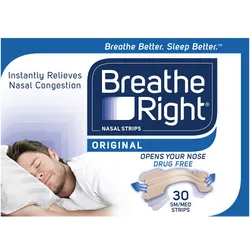
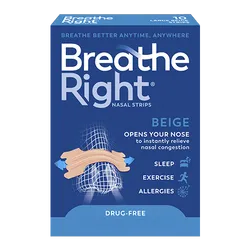
- Nasal strips stick to the outside of the nose and gently lift the sides of the nasal passages, helping to widen them and improve airflow.
- Nasal dilators are small devices inserted into the nostrils to keep them open during sleep.
Both options work by reducing nasal resistance, making it easier to breathe through the nose rather than the mouth. This can help minimise the vibrations in the throat that cause snoring, particularly in cases linked to congestion, allergies, or a blocked nose.
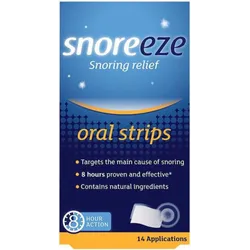
4. Anti-Snoring Sprays
Anti-snoring sprays (available over-the-counter) are designed to target the upper airway, particularly the throat and nasal passages, depending on the product type.
- Throat sprays work by lubricating the soft tissues at the back of the throat. This can help reduce vibration during breathing, which is a common cause of snoring.
- Nasal sprays (such as saline or decongestant sprays) help reduce swelling and congestion inside the nose, making it easier to breathe through the nasal passages.
5. CPAP (Continuous Positive Airway Pressure)
CPAP is a medical device used primarily for obstructive sleep apnoea (OSA). It delivers a constant flow of air through a mask to keep the airway open.
These devices are highly effective for OSA-related snoring. They require a prescription and medical supervision.
6. Surgical Treatments
In severe or structural cases, surgery may be considered to remove or reduce excess tissue in the throat or correct nasal issues.
Surgical options usually include uvulopalatopharyngoplasty (UPPP), Radiofrequency Ablation (RFA), or nasal surgery.
They are typically recommended when other treatments fail. You should remember that surgery for snoring doesn’t always work, and snoring can come back afterwards.
Lifestyle Changes That Help With Snoring
Simple daily habits can make a noticeable difference:
- Sleep on your side: This helps prevent the tongue from blocking the airway.
- Maintain a healthy weight: Reducing excess weight may decrease pressure on the airway. If you’re looking for extra support, you can make the most of the Weldricks’ weight management service to help you manage your weight safely and effectively.
- Avoid alcohol before bed: Alcohol relaxes throat muscles, increasing snoring risk.
- Quit smoking: Smoking irritates the airway and worsens inflammation.
- Establish a consistent sleep routine: Better sleep quality can reduce snoring intensity.
- Manage stress levels: Stress can disrupt sleep patterns, which can, in turn, relax your throat. If stress or anxiety is affecting your sleep, you can explore which are the best supplements for stress relief to help support relaxation and better sleep quality.
When To See A Doctor
You should consider seeking medical advice if:
- Your snoring is very loud or persistent.
- You wake up feeling tired despite adequate sleep.
- You have symptoms such as morning headaches or difficulty concentrating.
- You experience pauses in breathing during sleep.
Best Snoring Treatments — Final Thoughts
While snoring is common, it doesn’t have to disrupt your sleep or quality of life. From simple lifestyle changes that anyone can make to medical solutions, there are many effective snoring treatments available depending on the underlying cause.
Explore Weldricks’ full range of trusted snoring solutions that may help you sleep more comfortably and wake up feeling refreshed!
FAQs
Is snoring worse as you age?
Yes, snoring can become more common with age due to reduced muscle tone in the throat and changes in sleep patterns.
Do certain foods make snoring worse?
Yes, certain types of foods can make snoring worse, as they increase inflammation, promote mucus production, and relax throat muscles. Foods that make snoring worse include:
- Alcohol
- Dairy products (milk, yoghurt, cheese)
- Sugary foods and drinks (chocolate, cakes, biscuits, energy drinks, sweetened fruit juices, etc.)
- High-fat foods (fried chicken, bacon, etc.)
Published 5th May 2026 by

Allan Green
Registered Pharmacist & Head of E-commerce
Allan has been a Registered Pharmacist for 25+ years
He specializes in Ecommerce and Over the Counter medicines.
He is a Registered Pharmacist, who studied at University of Bradford.
He has been with Weldricks since 2006, starting as a branch manager before moving into area management and deputy superintendent roles.
His current responsibilities include web development, marketing, content, customer service and web operations teams.