How to Stop Impetigo from Spreading: 7 Practical Tips
In this guide
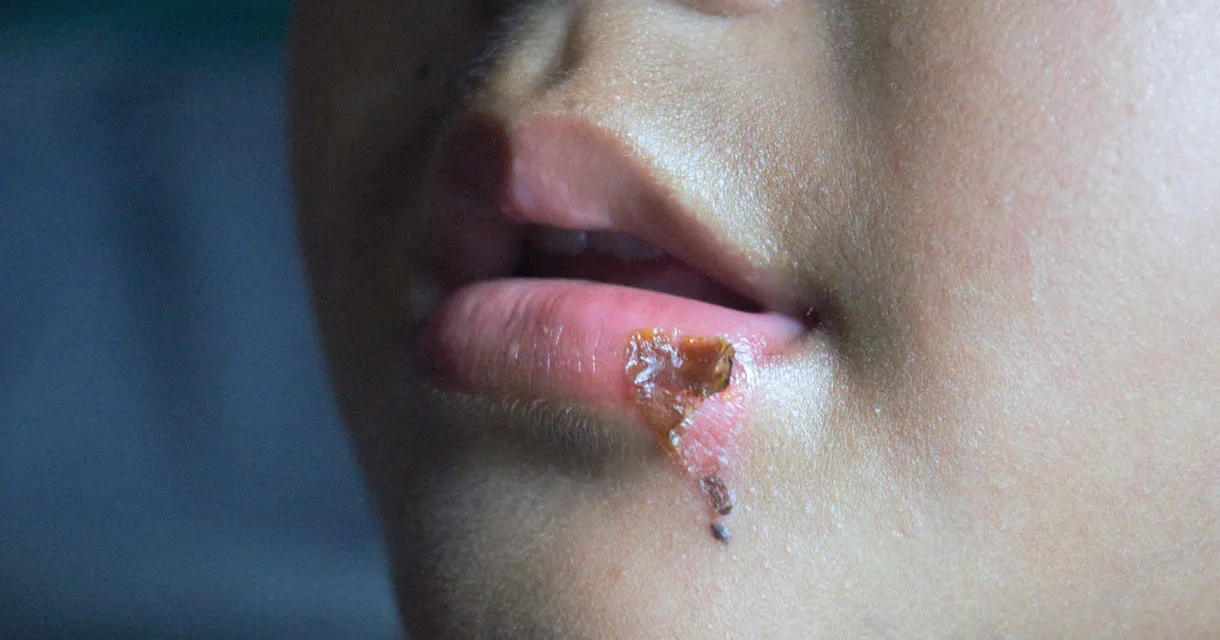
Impetigo can spread quickly within households, especially through close contact and shared items.
The good news is that simple, practical steps — when followed consistently — can significantly reduce the risk of spreading and help protect everyone at home.
Let’s take a closer look at the key steps you can follow to keep it under control at home:
1. Wash Hands Frequently (and Properly)
Hand hygiene is one of the most effective ways to stop impetigo spreading.
Wash hands:
- After touching the affected area
- Before and after applying treatment (e.g., antibiotic cream)
- Before eating or preparing food
Use warm water and soap, and dry hands with a clean towel or disposable paper towel. This simple step significantly reduces the transfer of bacteria within the home.
2. Avoid Touching or Picking the Sores
It may be tempting to touch or scratch the affected skin, especially if it feels itchy, but this is one of the fastest ways to spread the infection.
Touching sores can:
- Transfer bacteria to other parts of the body.
- Spread it to other people via surfaces.
Keeping nails short and clean can help reduce accidental scratching, especially in children.
3. Keep the Affected Area Covered Where Possible
Covering impetigo sores can help limit contact with bacteria and reduce the risk of spreading.
Use:
- Loose dressings or gauze
- Breathable coverings (avoid tight materials)
This is especially useful for areas that are frequently touched, such as hands, arms or legs.
4. Do Not Share Personal Items
Impetigo can easily spread through contaminated objects. Avoid sharing:
- Towels
- Bedding
- Clothing
- Face cloths
Each person in the household should use their own items until the infection has cleared.
5. Wash Clothes, Towels & Bedding Regularly
Frequent washing helps remove bacteria from fabrics and reduces the risk of reinfection. Make sure you:
- Wash items at a high temperature (where suitable).
- Change pillowcases and towels daily if possible.
- Avoid mixing infected items with others.
This is particularly important if impetigo is on the face or hands.
6. Clean Frequently Touched Surfaces
Bacteria can survive on surfaces long enough to spread.
Focus on:
- Door handles
- Phones and tablets
- Bathroom surfaces
- Toys (especially for children)
Regular cleaning helps break the chain of transmission within the home.
7. Avoid Close Contact Until It Improves
Try to limit:
- Skin-to-skin contact
- Shared sleeping spaces
- Close physical interaction (especially with children)
This doesn’t mean complete isolation, but being mindful can significantly reduce spread.
Read also: What Is Impetigo? How It Spreads, Symptoms & Treatment.
How to Stop Impetigo From Coming Back
Even after impetigo clears, it’s possible for the infection to return, especially if the underlying triggers are still present. Focusing on prevention can help reduce the chances of recurrence and protect your skin long-term.
Let’s look at the most effective ways to prevent impetigo from returning:
1. Identify and Manage Triggers
Impetigo often starts from small skin damage that goes unnoticed.
Common triggers include:
- Insect bites (learn how to identify insect bites in our guide)
- Minor cuts or scratches
- Dry or cracked skin caused by eczema (by the way, discover the best creams for eczema) or other inflammatory skin conditions
- Ongoing irritation from shaving or friction
Being more aware of these can help you act early and prevent bacteria from entering the skin.
If the issue starts from an insect bite or becomes infected, it’s important to treat it early. In that case, you can get support through our insect bites service for professional advice and appropriate care.
2. Support Your Skin Barrier
Healthy skin acts as your first line of defence against infection.
Keeping your skin well-moisturised helps prevent dryness and cracking, especially if you’re prone to irritation.
This is particularly important if you have conditions like eczema.
You can explore a wide range of skincare products for managing common conditions to help keep your skin healthy and better protected.
3. Be Extra Careful in High-Risk Situations
Certain environments make reinfection more likely. These include:
- Shared living spaces
- Gyms or contact sports
- Schools or nurseries
- Warm, humid conditions
In these situations, taking a bit of extra care with hygiene and skin protection can make a big difference.
4. Act Early on Suspicious Skin Changes
If you notice redness, small sores or irritation starting again, don’t ignore it.
Early action — even simple cleaning and monitoring — can stop it from developing into a full infection.
If you're unsure whether it's impetigo or something else, it’s worth checking, especially since some conditions can look similar (such as psoriasis).
Alongside the steps above, it’s still important to follow the core hygiene measures:
- Wash hands regularly
- Avoid sharing personal items (towels, bedding, clothing)
- Keep affected areas clean
- Avoid touching or picking the skin
- Wash fabrics frequently
- Complete your treatment as prescribed
FAQs
1. Can you keep getting impetigo?
Yes, especially if the bacteria remain on the skin or in your environment. Good hygiene and completing treatment are key to preventing recurrence.
2. Can impetigo-causing bacteria live on pillows?
Yes, bacteria can survive on fabrics like pillowcases, which is why frequent washing is important during infection.
3. How long does impetigo last without treatment?
Usually, it takes 2-3 weeks to clear on its own, and the risk of spreading remains high during this time.
How to Stop Impetigo from Spreading — Final Thoughts
Stopping impetigo from spreading comes down to consistent hygiene, avoiding contact with infected areas and keeping your environment clean. Small daily habits can make a big difference in protecting both you and others at home.
If you need support while managing symptoms, you can access expert care through the impetigo treatment service, where pharmacists can assess your condition and guide you to the right treatment quickly!
Published 23rd July 2026 by

Richard Hackett
Director of Pharmacy Service
My first role in Weldricks was as a Saturday assistant before starting at Bradford University, where I obtained a Master of Pharmacy Degree and qualified as a Pharmacist in 2005.
I started my career as a Pharmacist as the manager of our Swinton branch, before moving between several branches and completing a Clinical post-graduate diploma from Keele University in 2010. After re-joining the company in 2019, I’ve held a number of field and central roles before moving into my current position in 2025. I am responsible for the safe and effective running of our Pharmacy Network, working with all different functions to make this happen.