Meningitis Awareness Week: Spot the Signs Early
In this guide
What is Meningitis?
In the UK, around three in every 100,000 people will contract Meningitis every year. This doesn’t sound much, but meningitis can be a very severe illness.
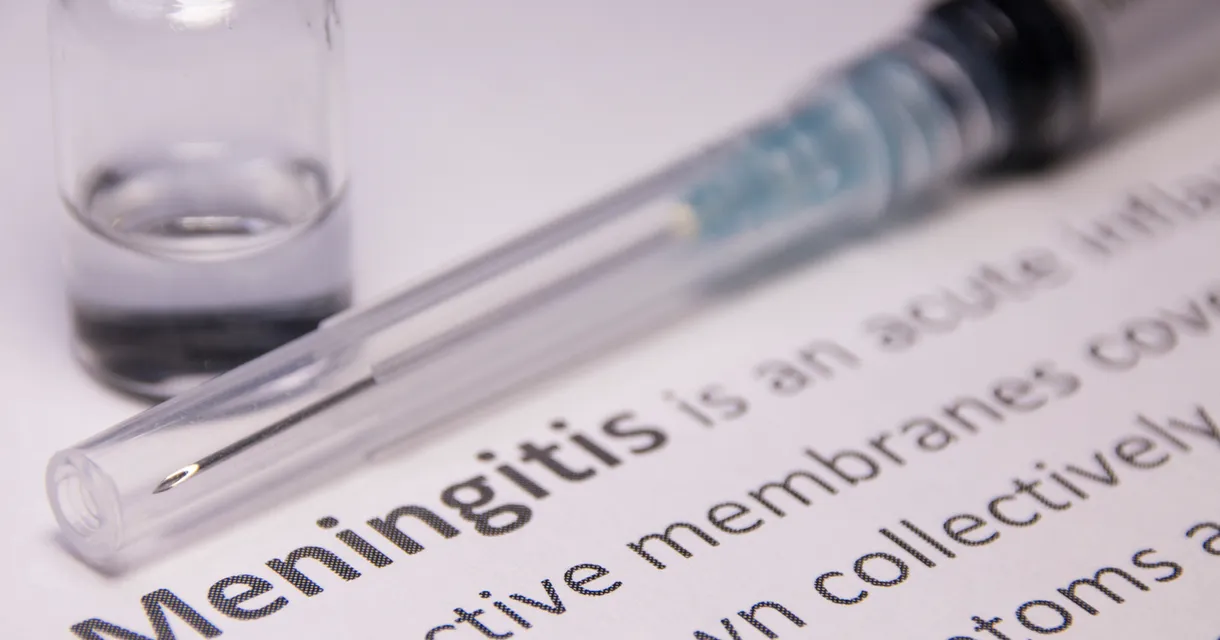
Meningitis is an infection that causes an inflammation of the lining around the brain and spinal cord which can cause damage to the nerves and brain.
Viral meningitis is very rarely life threatening and the majority of people quickly make a full recovery. Many of the symptoms of Meningitis are similar to flu, which can make it difficult to diagnose. It is caused by viruses that can spread through coughing and sneezing.
Bacterial meningitis is more serious and can be caused by a number of different bacteria. If the infection is left untreated it can cause severe brain damage and can infect the blood which can lead to Septicaemia.
In the UK and Ireland the majority of meningitis infections are caused by meningococcal bacteria, and need rapid and effective treatment.
It can be difficult to distinguish between viral and bacterial meningitis, so if you think you may have symptoms is it important to immediately seek medical help.
Symptoms of Meningitis:
Not all symptoms will develop in each infection, but they can include:
- Fever and/or vomiting
- Severe headache
- Pale, blotchy skin and a rash anywhere on the body
- Stiff neck
- Sensitivity to bright lights
- Fatigue/difficulty waking up
- Deliriousness
- Seizures
In babies and toddlers there can be additional symptoms such as refusing food, rapid breathing or grunting, unusual crying and moaning as well as a dislike of being handled.
Treatment:
Patients with viral meningitis will usually get better within a couple of weeks, with plenty of rest needed as well as painkillers for the severe headaches and anti-sickness medication for the vomiting.
Bacterial meningitis is treated with antibiotics. Patients will need to be admitted to hospital, with serious cases needing to be treated in an intensive care unit.
Protecting against Meningitis:
The introduction of national vaccination programs has led to a significant and sustained decline in meningitis cases caused by the specific strains covered by the vaccines. For example:
MenC: Cases of meningococcal group C disease have dropped by an estimated 99% since the MenC vaccine was introduced in 1999.
MenB: A study by Public Health England (now the UKHSA) showed that by the third year of the infant MenB vaccine program, cases in eligible children were 62% lower. Another study found a 75% reduction in MenB cases in children fully eligible for the vaccine.
Hib: Before the Haemophilus influenzae type b (Hib) vaccine was introduced in 1992, Hib was the most common cause of bacterial meningitis in children under five. The vaccine has almost eliminated it as a cause.
Official Health Guidance: The UK Health Security Agency (UKHSA), the NHS, and leading meningitis charities like Meningitis Now all state that vaccination is the most important and effective way to protect against the disease. The official advice is for people to take up all the vaccines available to them as part of the routine immunisation schedule.
Public Health Impact: Beyond protecting the vaccinated individual, vaccines also create "herd immunity," which helps protect those who cannot be vaccinated, such as young babies or people with weakened immune systems. This broader community protection is a key benefit that other preventative measures cannot provide.
It is important to note that no single vaccine protects against all forms of meningitis, as the disease can be caused by many different bacteria and viruses. This is why the NHS offers a range of vaccines, including MenB, MenACWY, Pneumococcal (PCV), and MMR (which protects against mumps, a cause of viral meningitis). For this reason, remaining aware of the symptoms is still crucial, even if you are vaccinated.
Viral Meningitis Awareness Week
Takes place from May 6th to 10th, aims to raise awareness about the symptoms and after-effects of the disease. The goal is to encourage people to discuss viral meningitis and highlight the support available from the organization Meningitis Now for those affected.
This year we’re highlighting:
V for vital support – how we at Meningitis Now help following viral meningitis
I for information you can trust – where you can find out more reliable facts about viral meningitis
R for recovery – what this can look like and how long it can take
A for after-effects – what to look for and what to do about it
L for life after meningitis – getting back to normal
Useful Links:
Published 17th September 2015 by
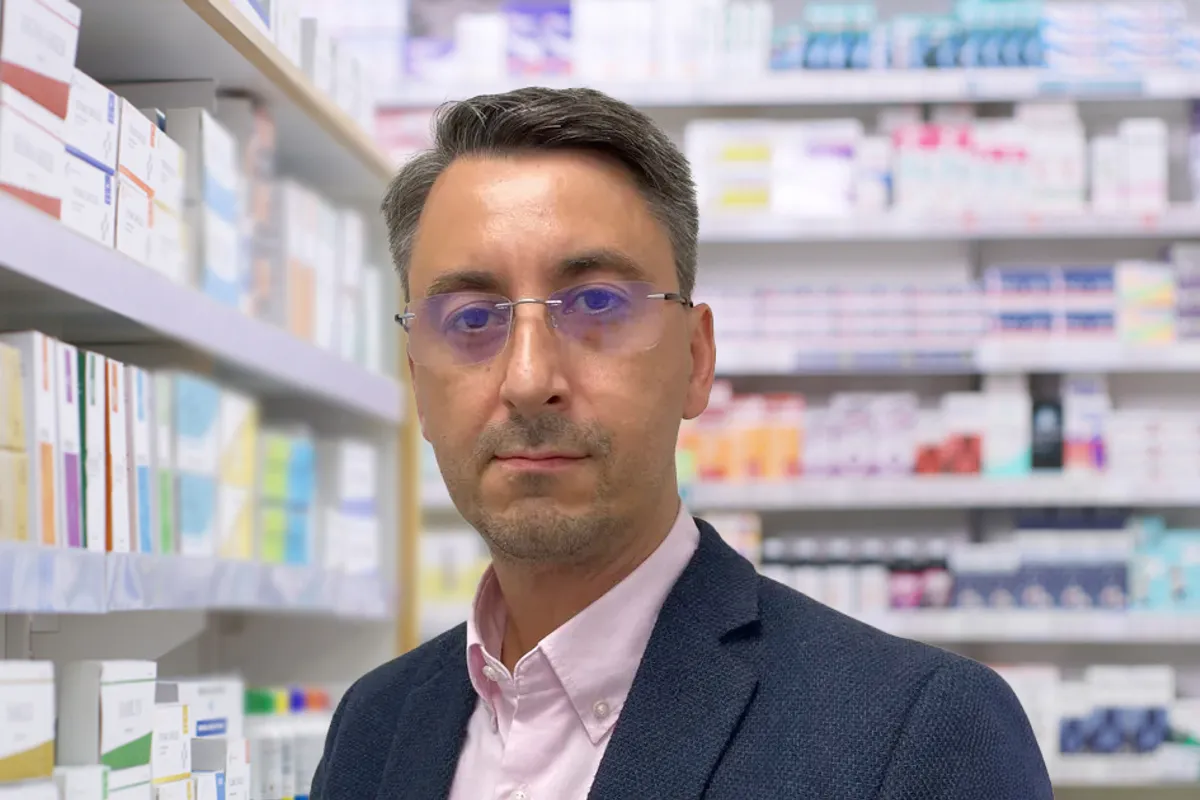
Allan Green
Registered Pharmacist & Head of E-commerce
Allan has been a Registered Pharmacist for 25+ years
He specializes in Ecommerce and Over the Counter medicines.
He is a Registered Pharmacist, who studied at University of Bradford.
He has been with Weldricks since 2006, starting as a branch manager before moving into area management and deputy superintendent roles.
His current responsibilities include web development, marketing, content, customer service and web operations teams.
Related Products
-
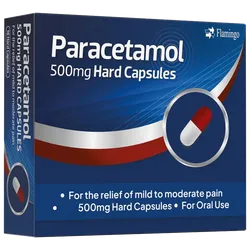
Paracetamol 500mg Capsules Pack of 32 £1.25 -
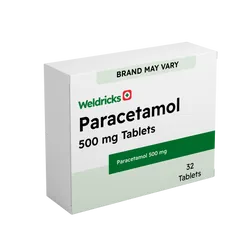
Paracetamol Tablets 500mg Pack of 32 £0.79 -
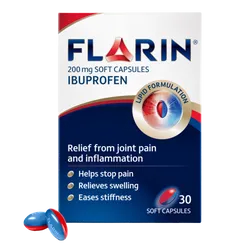
Flarin Ibuprofen 200mg Capsules Pack of 30 £8.98 save £2.84
-
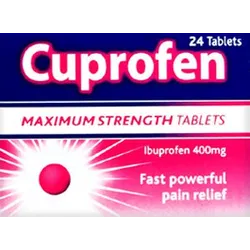
Cuprofen 400mg Tablets Pack of 24 £4.19 save £0.40
-
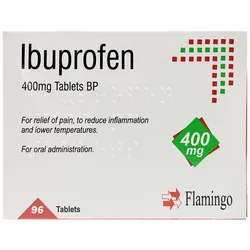
Ibuprofen Tablets 400mg Pack of 96 £3.78 -
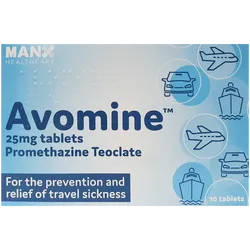
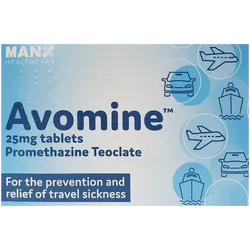
Avomine Tablets 25mg Pack of 10 £2.55 save £0.51
-
Avomine Tablets 25mg Pack of 28 £6.49 save £1.85