Pregnancy Essentials Every Mum-to-Be Needs [With Checklist]
In this guide
![Pregnancy Essentials Every Mum-to-Be Needs [With Checklist]](https://d2i5j94z9qxt5a.cloudfront.net/eyJidWNrZXQiOiJ3ZWxkcmlja3MtY2RuIiwia2V5IjoiZ3VpZGVzLzUwOC9OdnQxVThhRDRVOUZ1bXNEUldaR09XYW1IVXNlbGNuSUQyRTR5QmF3LmpwZyIsImVkaXRzIjp7InJlc2l6ZSI6eyJ3aWR0aCI6MTIyMCwiaGVpZ2h0Ijo2NDAsImZpdCI6ImNvdmVyIiwiYmFja2dyb3VuZCI6eyJyIjoyNTUsImciOjI1NSwiYiI6MjU1LCJhbHBoYSI6MH19LCJ3ZWJwIjp7InF1YWxpdHkiOjgwfX19)
Pregnancy is an exciting journey, but it also comes with many physical and emotional changes.
Having the right pregnancy essentials can help you feel more comfortable, supported, and prepared at every stage.
To help you prepare, we’ve broken down the must-haves for each trimester, along with everything you need to pack in your maternity hospital bag.
1st Trimester Pregnancy Essentials
1. Prenatal Vitamins
Prenatal vitamins are one of the most important pregnancy essentials, especially in the first trimester when your baby’s development begins.
Your body needs key nutrients, such as:
- Folic acid
- Iron (learn all you need to know about iron and anaemia)
- Vitamin D (read the health benefits of vitamin D)
- Vitamin C (here are all the health benefits of vitamin C)
- Calcium
These nutrients support your baby’s healthy development, help prevent birth defects, boost your immune system, and reduce tiredness and fatigue during pregnancy.
If you're unsure what to take, this guide to important vitamins and minerals for pregnancy explains everything you need to know.
Explore all our trusted pregnancy vitamins:
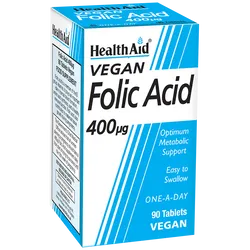
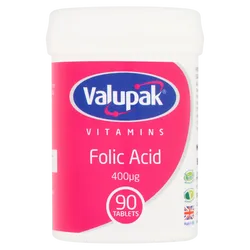

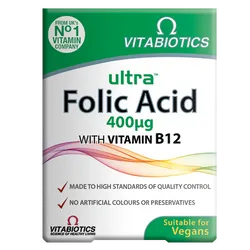
2. Hydration Essentials (Water Bottle or Electrolyte Drinks)
Carrying around a water bottle all the time will help you stay hydrated, which is crucial during pregnancy (both for you and the baby), especially if you’re experiencing nausea or vomiting.
Proper hydration supports circulation, amniotic fluid levels, and overall well-being. Try having small, frequent sips throughout the day to prevent dehydration.
3. Pregnancy-Safe Skincare
Hormonal changes can lead to sensitive or irritated skin.
Switching to gentle, pregnancy-safe skincare products helps maintain skin health without exposing your body to harsh chemicals.
What to prefer for your skin during pregnancy
- Hyaluronic acid
- Glycerin
- Panthenol (vitamin B5)
- Vitamin C
- Niacinamide
- Jojoba oil
- Chamomile extract
What to avoid
- Retinoids (e.g., vitamin A)
- Salicylic acid
- Hydroquinone
Read also: Tried Everything for Acne? Acne Treatments That Make a Difference.
4. Comfortable Bras (Non-Wired)
Breast tenderness is common early on. A soft, non-wired bra provides better support and comfort as your body starts to change.
2nd Trimester Pregnancy Essentials
5. Maternity Clothing
As your bump grows, regular clothes may become uncomfortable.
Maternity wear is designed to support your body while allowing room for growth, helping you stay comfortable throughout the day.
6. Pregnancy Pillow
A pregnancy pillow supports your back, hips, and bump while sleeping.
It can improve sleep quality and reduce discomfort, especially as your body changes.
Here are the main types of pregnancy pillows:
- Full body side sleeper pillow: A larger pillow with multiple sections that supports your bump, back, and legs at the same time. It’s ideal for full-body comfort during sleep and can also be used while sitting or nursing.
- Side sleeper pregnancy pillow: A smaller, butterfly-shaped pillow designed to support your bump and back while helping you get used to sleeping on your side. It’s lightweight and great for travel.
- C-shaped (total body) pillow: A curved pillow that follows the shape of your body, providing support for your head, back, belly, and legs. A popular all-in-one option for better sleep.
- Cuddle pillow (comma-shaped): A medium-sized, flexible pillow that can be used in multiple ways, such as under your neck, between your knees, or under your bump, depending on where you need support.
- Pregnancy support wedge: A compact, semi-circular pillow placed under your bump or back for targeted support. It’s ideal for early pregnancy and easy to use when travelling or sitting.
7. Fibre Supplements or Digestive Support
Constipation is common during pregnancy due to hormonal changes or pressure from the womb.
Increasing fibre intake or using safe supplements can help regulate digestion. Fibre-rich foods include:
- Fruits
- Vegetables
- Whole grains
- Legumes
- Seeds and nuts
For more advice, see our guide on managing constipation in pregnancy safely.
8. Stretch Mark Creams or Oils
Stretch mark creams or oils help keep the skin hydrated and more elastic as it stretches during pregnancy.
This can reduce dryness, itching, and discomfort.
Look for products containing ingredients such as cocoa butter, shea butter, vitamin E, or almond oil, which are commonly used to nourish and protect the skin.
9. Maternity Leggings
Maternity leggings are a must-have during the second trimester as your bump starts to grow more noticeably.
They are designed with a stretchy, supportive waistband that adapts to your body without putting pressure on your abdomen.
They are ideal for everyday wear, offering comfort, flexibility, and support, whether you're relaxing at home or out and about.
Pregnancy Essentials 3rd Trimester
10. Support Belt (Bump Support Band)
A maternity support belt helps relieve pressure on your lower back and pelvis. It can make walking and daily activities more comfortable during late pregnancy.
11. Nursing Bras
Preparing for breastfeeding early can make things easier after birth. Nursing bras are softer and stretchier than regular bras, which provide support during pregnancy and make breastfeeding more convenient.
12. Compression Socks
Swelling in the legs and feet is common in the third trimester due to increased pressure on blood vessels.
Compression socks are a must-have for expecting mums. They help improve circulation by applying gentle pressure, which can reduce:
- Swelling
- Discomfort
- Feeling of heavy legs
They may also help lower the risk of varicose veins and are especially helpful during long periods of standing or sitting.
13. Relaxation & Sleep Aids
Sleep can become more difficult as months pass due to physical discomfort and hormonal changes.
Products such as pregnancy pillows, supportive mattresses or mattress toppers, and cooling bedding can help improve comfort and reduce pressure on the body.
14. Comfortable Slide-On Shoes
As pregnancy progresses, many women notice their feet and ankles swell. Comfortable slide-on shoes are a practical solution, as they are easy to wear without bending down.
Choose soft, supportive designs that allow for slight swelling and provide stability when walking, especially during the later stages of pregnancy.
Maternity Bag Essentials [Packing Checklist]
As your due date approaches, preparing your maternity bag in advance can help you feel more organised and ready for labour and your hospital stay.
Let’s see what you should have with you:
What To Pack For You (Mother)
- Comfortable clothing (nightwear, loose outfits, socks, underwear)
- Maternity pads
- Toiletries (toothbrush, hairbrush, lip balm)
- Snacks and drinks
- Phone charger
- Nursing bras
- Medicines (if you’re taking any)
- Slippers or flip-flops
- Birth plan and hospital notes
- Books, magazines, music playlists (or anything to help you relax)
What To Pack For The Baby
- Baby grows
- Nappies
- Wipes
- Blanket
- Hat and mittens
- Going-home outfit
- Car seat
Pregnancy Essentials For Expecting Mums — Conclusion
So, we’ve explored the key pregnancy essentials for each stage, and it’s clear how important they are in supporting your comfort, health, and overall well-being.
This way, you’ll be fully prepared, confident, and relaxed as you get ready to welcome your baby.
Explore Weldricks’ wide range of trusted mother and baby products to support you throughout your pregnancy journey!
FAQs
What are the basics of pregnancy nutrition?
A balanced pregnancy diet should include:
- Protein (e.g., fish, poultry, eggs, beans, nuts, lentils)
- Healthy fats (salmon, sardines, walnuts)
- Fibre (whole grains, fruits, vegetables)
- Calcium (milk, yoghurt, kale, broccoli, rocket, tofu, almonds)
- Vitamin D (salmon, sardines, eggs, mushrooms, soy)
- Folic acid (oranges, lemons, eggs, nuts, seeds, beans, lentils, spinach, kale)
- Vitamin C (strawberries, blueberries, oranges, lemons, tomatoes, potatoes, spinach, kale)
- Iron (beans, lentils, red meat, oysters, clams, tuna, eggs, nuts, seeds)
What are the daily vitamin requirements during pregnancy?
- Folic acid: 400 micrograms (every day before you’re pregnant and until you’re 12 weeks pregnant)
- Vitamin D: 10 micrograms (between September and March, as these are the months with the least sunlight)
- Vitamin C: 80-85 milligrams
- Calcium: 700-1,000 milligrams
- Iron: 27 milligrams
Before taking any supplements, speak with your GP, who will guide you based on your individual needs.
Published 30th April 2026 by

Allan Green
Registered Pharmacist & Head of E-commerce
Allan has been a Registered Pharmacist for 25+ years
He specializes in Ecommerce and Over the Counter medicines.
He is a Registered Pharmacist, who studied at University of Bradford.
He has been with Weldricks since 2006, starting as a branch manager before moving into area management and deputy superintendent roles.
His current responsibilities include web development, marketing, content, customer service and web operations teams.