What Vitamins & Minerals Should I Take Daily to Stay Healthy?
In this guide

Choosing the right vitamins isn't always straightforward. While a balanced diet should be your primary source of nutrients, certain vitamins and minerals may be more difficult to obtain in sufficient amounts or may be recommended for specific groups of people.
This guide explains the essential vitamins your body needs, when supplements may be appropriate and what to consider before choosing them.
Key Takeaways
- Your body needs a wide range of vitamins and minerals every day, but most people can obtain many of them through a healthy, balanced diet.
- Daily vitamin supplements aren't necessary for everyone, but they may be recommended based on factors such as age, diet, lifestyle or certain health conditions.
- Vitamin D, vitamin C, vitamin B12 and multivitamins are among the most commonly used supplements, depending on individual needs.
- Essential minerals such as calcium, magnesium, iron and zinc also play important roles in supporting normal bodily functions and overall well-being.
- Many vitamins and minerals can be taken together, although some combinations (such as iron and calcium) are best taken separately.
Do I Need to Take Certain Vitamins Daily?
Yes, your body needs a range of vitamins every day to support normal growth, metabolism and overall health. However, this doesn't necessarily mean you need to take vitamin supplements every day.
For most people, a varied and balanced diet provides the essential vitamins and minerals needed for normal bodily functions. That said, some vitamins may be recommended as daily supplements for certain groups of people.
Daily vitamin supplementation may also be appropriate if you have increased nutritional requirements, follow a restricted diet (such as a vegan diet) or have a diagnosed vitamin deficiency.
If you're unsure whether you would benefit from supplements, speak to your GP, pharmacist or another healthcare professional for personalised advice.
Essential Vitamins Your Body Needs Every Day
The table below summarises the essential vitamins your body needs, what they contribute to, where they can be found naturally and the recommended daily intake for healthy adults:
|
Vitamin |
What it contributes to* |
Main food sources |
Recommended daily intake (Adults) |
|
Vitamin A |
Normal vision, normal immune system function and maintenance of normal skin |
Liver, dairy products, eggs, carrots, sweet potatoes |
Men: 700µg Women: 600µg |
|
Vitamin B1 (Thiamin) |
Normal energy-yielding metabolism and normal nervous system function |
Wholegrains, liver, nuts, peas |
Men: 1.0mg Women: 0.8mg |
|
Vitamin B2 (Riboflavin) |
Normal energy-yielding metabolism, reduction of tiredness and fatigue, maintenance of normal skin and vision |
Milk, eggs, mushrooms, plain yoghurt |
Men: 1.3mg |
|
Vitamin B3 (Niacin) |
Normal energy-yielding metabolism, normal psychological function, normal nervous system function and reduction of tiredness and fatigue |
Meat, fish, wheat flour, eggs |
Men: 16.5mg Women: 13.2mg |
|
Vitamin B5 (Pantothenic Acid) |
Normal energy-yielding metabolism, normal mental performance, reduction of tiredness and fatigue |
Chicken, beef, mushrooms, avocados, eggs, liver |
No Reference Nutrient Intake (RNI) established |
|
Vitamin B6 |
Normal immune system function, normal protein and glycogen metabolism, reduction of tiredness and fatigue |
Poultry, oats, bananas, peanuts, milk |
Men: 1.4mg |
|
Vitamin B7 (Biotin) |
Maintenance of normal hair, skin and nervous system function |
Eggs, avocados, cheddar cheese, beef liver (only in very low levels) |
<0.9mg |
|
Vitamin B9 (Folate) |
Normal blood formation, maternal tissue growth during pregnancy, reduction of tiredness and fatigue |
Leafy greens, beans, citrus fruits, broccoli, brussels sprouts |
200µg |
|
Vitamin B12 |
Normal red blood cell formation, normal nervous system function, normal psychological function, reduction of tiredness and fatigue |
Meat, fish, dairy products, eggs |
1.5µg |
|
Vitamin C |
Normal immune system function, normal collagen formation, protection of cells from oxidative stress |
Citrus fruits, berries, peppers, broccoli, potatoes |
40mg |
|
Vitamin D |
Maintenance of normal bones, teeth, muscles and normal immune system function |
Oily fish, egg yolks, fortified foods, red meat, sunlight |
10µg |
|
Vitamin E |
Protection of cells from oxidative stress |
Nuts, seeds, plant oils |
Men: 4mg |
|
Vitamin K |
Normal blood clotting and maintenance of normal bones |
Green leafy vegetables, broccoli, vegetable oils |
Approx. 1µg per kg of body weight |
* Functions are based on authorised UK/EU nutrition and health claims where applicable.
Which Vitamins Are Most Commonly Taken as Supplements?
Although every vitamin plays an important role, a small number are far more commonly taken as supplements than others.
This is often because they're more difficult to obtain through diet alone, are recommended for certain groups, or have increased requirements during different stages of life.
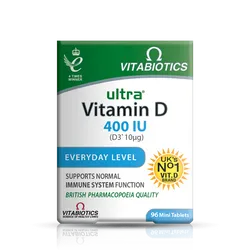
Vitamin D
Vitamin D is one of the most commonly recommended supplements in the UK. It contributes to the:
- Maintenance of normal bones
- Maintenance of normal teeth
- Normal function of muscles
- Normal function of the immune system
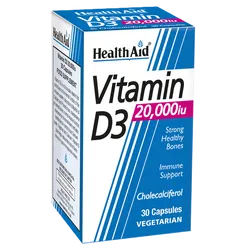
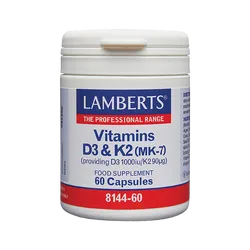
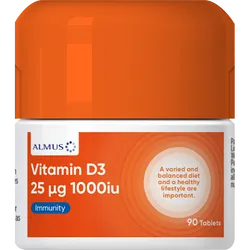
Because sunlight is the body's main source of vitamin D, it can be difficult to produce enough during the autumn and winter months. UK guidance recommends that everyone consider taking a daily vitamin D supplement during this period (March-September).
Learn more about the benefits of vitamin D in our guide or browse Weldricks’ range of vitamin D supplements!
Vitamin C
Vitamin C:
- Contributes to the normal function of the immune system.
- Contributes to normal collagen formation for the normal function of skin, gums, bones, cartilage and blood vessels.
- Helps protect cells from oxidative stress.
Most people can obtain enough vitamin C from fruit and vegetables, but supplements may be useful in some circumstances, particularly if dietary intake is low.
You can learn more in our guide to the health benefits of vitamin C or explore Weldricks' selection of Vitamin C supplements.
-
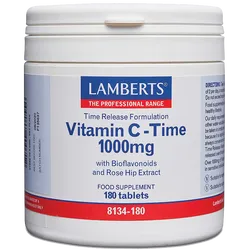
Lamberts Vitamin C Time Release with Bioflavonoids Tablets 1000mg Pack of 180 £17.98 save £4.97
-
Valupak Vitamin C Effervescent High Strength 1000mg Pack of 20 £1.95 save £0.45
-
Vitabiotics Ultra Vitamin C Effervescent Tablets Pack of 20 £3.99 save £0.96
-
Vitabiotics Ultra Vitamin C Tablets Pack of 120 £7.98 save £2.87



Vitamin B12
Vitamin B12 contributes to:
- Normal red blood cell formation
- Normal nervous system function
- Normal psychological function
- Reduction of tiredness and fatigue
Because vitamin B12 is found primarily in animal-derived foods, supplementation may be particularly important for people following vegan diets or those with certain absorption conditions.
Read also: What Does Vitamin B Do For Your Body? Types, Benefits & Side Effects.
Multivitamins
Multivitamins combine several vitamins (and often minerals) into a single supplement. They can offer a convenient way to supplement nutrient intake, particularly for people with restricted diets or increased nutritional needs.
However, a multivitamin shouldn't be viewed as a substitute for a healthy, balanced diet.
When choosing one, look for a product that matches your age, sex and individual health needs rather than simply selecting the supplement with the highest number of ingredients.
Do I Need a Multivitamin Every Day?
Not necessarily. For many healthy adults, a varied and balanced diet provides the vitamins and minerals needed to support normal health. A daily multivitamin is therefore not essential for everyone.
However, multivitamins may be worth considering if you:
- Have a restricted or unbalanced diet.
- Follow a vegetarian or vegan diet.
- Have increased nutritional requirements.
- Are recovering from illness or have difficulty meeting your nutritional needs through food alone.
- Have been advised by a healthcare professional to take supplements.
Remember that multivitamins are designed to supplement a healthy diet, not replace it.
Essential Minerals Your Body Needs Every Day
Like vitamins, minerals are essential nutrients that your body needs every day to function properly.
They support everything from healthy bones and muscles to energy production, immune function and oxygen transport.
The table below summarises the essential minerals your body needs, their main functions, food sources and recommended daily intake.
|
Vitamin |
What it contributes to* |
Main food sources |
Recommended daily intake (Adults) |
|
Calcium |
Maintenance of normal bones, teeth and normal muscle function |
Milk, yoghurt, cheese, fortified plant drinks, leafy greens |
700mg |
|
Magnesium |
Normal muscle function, normal psychological function, reduction of tiredness and fatigue and normal energy-yielding metabolism |
Nuts, seeds, wholegrains, spinach, dark chocolate |
Men: 300mg Women: 270mg |
|
Iron |
Normal formation of red blood cells and haemoglobin, normal oxygen transport and reduction of tiredness and fatigue |
Red meat, liver, beans, lentils, spinach |
Men: 8.7mg |
|
Zinc |
Normal immune system function, maintenance of normal hair, skin and nails and normal cognitive function |
Meat, shellfish, dairy products, nuts, seeds |
Men: 9.5mg Women: 7mg |
|
Selenium |
Normal immune system function, normal thyroid function and protection of cells from oxidative stress |
Brazil nuts, fish, eggs, meat |
Men: 75µg |
|
Iodine |
Normal production of thyroid hormones and normal cognitive function |
Fish, dairy products, eggs |
140µg |
|
Potassium |
Normal muscle function, normal nervous system function and maintenance of normal blood pressure |
Bananas, potatoes, beans, tomatoes |
3,500mg |
* Functions are based on authorised UK/EU nutrition and health claims where applicable.
Which Minerals Are Most Commonly Taken as Supplements?
Although many minerals can be obtained through a healthy diet, some are more commonly taken as supplements than others:
Magnesium
Magnesium contributes to:
- Normal muscle function
- Normal psychological function
- Normal energy-yielding metabolism
- Reduction of tiredness and fatigue
It's one of the most popular mineral supplements, particularly among physically active individuals and those looking to support their daily well-being.
Read also: Which Magnesium Supplement Should You Take? UK Guide.
Iron
Iron contributes to:
- Normal red blood cell formation
- Oxygen transport around the body
Iron supplements are most commonly recommended for people with a diagnosed iron deficiency or increased iron requirements, such as some women of childbearing age.
Because excessive iron intake can be harmful, supplements should only be taken when recommended by a healthcare professional.
Calcium
Calcium contributes to the maintenance of normal bones and teeth. Although dairy products provide calcium for many people, supplementation may be considered if dietary intake is low or requirements are increased.
Zinc
Zinc contributes to the normal function of the immune system and the maintenance of normal skin, hair and nails. It's commonly found in multivitamins and immune support supplements.
What Vitamins Can I Take Together Daily?
Many vitamins can be taken together safely, and this is exactly how many multivitamin supplements are formulated. In some cases, vitamins and minerals are also commonly paired because they work well together or may support each other's absorption.
The table below highlights some of the most common vitamin and mineral combinations and whether they can usually be taken together:
|
Combination |
Can they usually be taken together? |
|
Vitamin C + Vitamin D |
✅ |
|
Vitamin D + Calcium |
✅ |
|
Magnesium + Vitamin D |
✅ |
|
Iron + Vitamin C |
✅ |
|
Iron + Calcium |
Ideally taken separately, as calcium may reduce iron absorption |
The Bottom Line
Everyone's nutritional needs are different, so it's important to choose vitamins that suit your diet, lifestyle and stage of life.
Explore Weldricks' range of vitamins and supplements to find products tailored to your everyday well-being!
FAQs
Can I take vitamins on an empty stomach?
Some vitamins can be taken without food, while others (particularly fat-soluble vitamins such as A, D, E and K) are often better absorbed when taken with a meal containing some fat.
Always follow the instructions provided with your supplement.
Can I get all the vitamins I need from food?
In many cases, yes. A varied, balanced diet remains the best way to obtain essential vitamins and minerals. However, supplements may be recommended for certain groups or where dietary intake alone is unlikely to meet nutritional requirements.
How long does it take for vitamins to work?
The answer depends on the nutrient, your current vitamin status and why you're taking the supplement. Some people notice improvements within weeks, while others may require longer-term supplementation.
You can learn more in our guide explaining how long vitamins take to work.
Published 13th August 2026 by

Allan Green
Registered Pharmacist & Head of E-commerce
Allan has been a Registered Pharmacist for 25+ years
He specializes in Ecommerce and Over the Counter medicines.
He is a Registered Pharmacist, who studied at University of Bradford.
He has been with Weldricks since 2006, starting as a branch manager before moving into area management and deputy superintendent roles.
His current responsibilities include web development, marketing, content, customer service and web operations teams.