What's the best toothpaste for sensitive teeth?
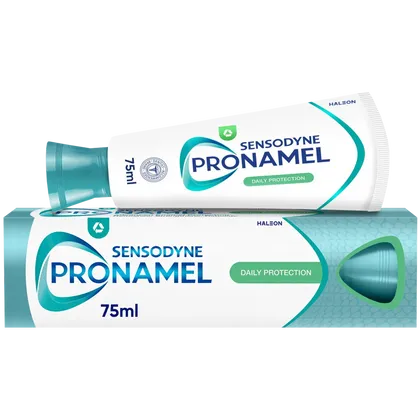
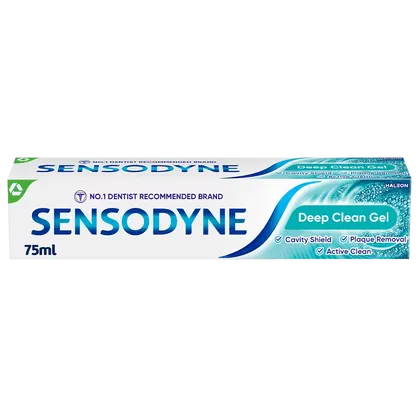
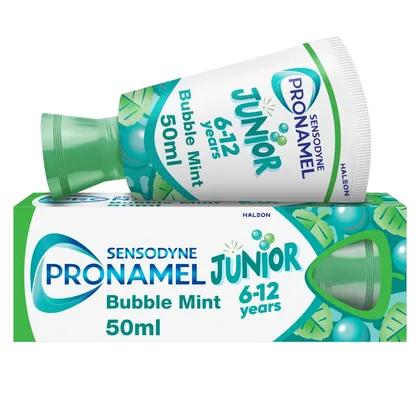
For sensitive teeth, look for toothpastes containing ingredients like potassium nitrate or strontium chloride, which help to block the tiny tubules in your dentin, reducing sensitivity. Brands like Sensodyne are specifically formulated for this purpose. Consistent use is key to seeing the best results.
What's the best toothpaste for sensitive teeth?
For sensitive teeth, look for toothpastes containing ingredients like potassium nitrate or strontium chloride, which help to block the tiny tubules in your dentin, reducing sensitivity. Brands like Sensodyne are specifically formulated for this purpose. Consistent use is key to seeing the best results.
What's the best toothpaste for sensitive teeth?
For sensitive teeth, look for toothpastes containing ingredients like potassium nitrate or strontium chloride, which help to block the tiny tubules in your dentin, reducing sensitivity. Brands like Sensodyne are specifically formulated for this purpose. Consistent use is key to seeing the best results.
Should I use fluoride toothpaste?
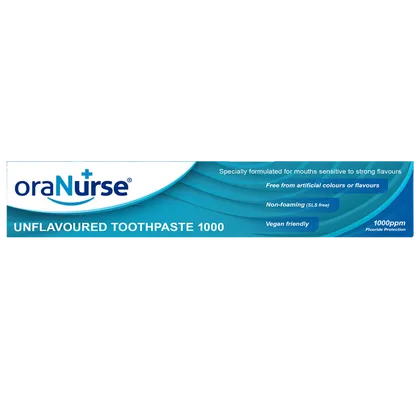
Fluoride is highly recommended by dentists as it helps to strengthen tooth enamel and prevent cavities. Most adult toothpastes contain fluoride. However, if you have specific reasons to avoid fluoride, such as a fluoride sensitivity or for young children who might swallow toothpaste, fluoride-free alternatives are available, like some of the products from OraNurse or MooGoo.
Should I use fluoride toothpaste?
Fluoride is highly recommended by dentists as it helps to strengthen tooth enamel and prevent cavities. Most adult toothpastes contain fluoride. However, if you have specific reasons to avoid fluoride, such as a fluoride sensitivity or for young children who might swallow toothpaste, fluoride-free alternatives are available, like some of the products from OraNurse or MooGoo.
Should I use fluoride toothpaste?
Fluoride is highly recommended by dentists as it helps to strengthen tooth enamel and prevent cavities. Most adult toothpastes contain fluoride. However, if you have specific reasons to avoid fluoride, such as a fluoride sensitivity or for young children who might swallow toothpaste, fluoride-free alternatives are available, like some of the products from OraNurse or MooGoo.
How often should I brush my teeth?
Dental professionals recommend brushing your teeth twice a day for at least two minutes each time. This helps to effectively remove plaque and food particles, keeping your teeth and gums healthy. Using a good quality toothbrush and the right toothpaste further enhances your oral hygiene routine.
How often should I brush my teeth?
Dental professionals recommend brushing your teeth twice a day for at least two minutes each time. This helps to effectively remove plaque and food particles, keeping your teeth and gums healthy. Using a good quality toothbrush and the right toothpaste further enhances your oral hygiene routine.
How often should I brush my teeth?
Dental professionals recommend brushing your teeth twice a day for at least two minutes each time. This helps to effectively remove plaque and food particles, keeping your teeth and gums healthy. Using a good quality toothbrush and the right toothpaste further enhances your oral hygiene routine.
What's the difference between whitening toothpaste and regular toothpaste?
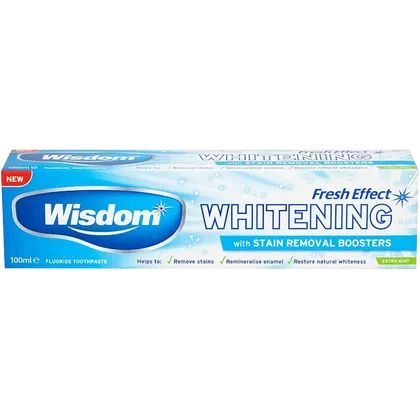
Whitening toothpastes typically contain mild abrasives or chemical agents that help to remove surface stains from your teeth, making them appear brighter. Regular toothpastes primarily focus on cleaning, preventing cavities, and promoting gum health. While whitening toothpastes can improve surface brightness, they don't change the natural shade of your teeth like professional whitening treatments do.
What's the difference between whitening toothpaste and regular toothpaste?
Whitening toothpastes typically contain mild abrasives or chemical agents that help to remove surface stains from your teeth, making them appear brighter. Regular toothpastes primarily focus on cleaning, preventing cavities, and promoting gum health. While whitening toothpastes can improve surface brightness, they don't change the natural shade of your teeth like professional whitening treatments do.
What's the difference between whitening toothpaste and regular toothpaste?
Whitening toothpastes typically contain mild abrasives or chemical agents that help to remove surface stains from your teeth, making them appear brighter. Regular toothpastes primarily focus on cleaning, preventing cavities, and promoting gum health. While whitening toothpastes can improve surface brightness, they don't change the natural shade of your teeth like professional whitening treatments do.