What Are Oral Rehydration Solutions (ORS) & How Do They Work?
In this guide
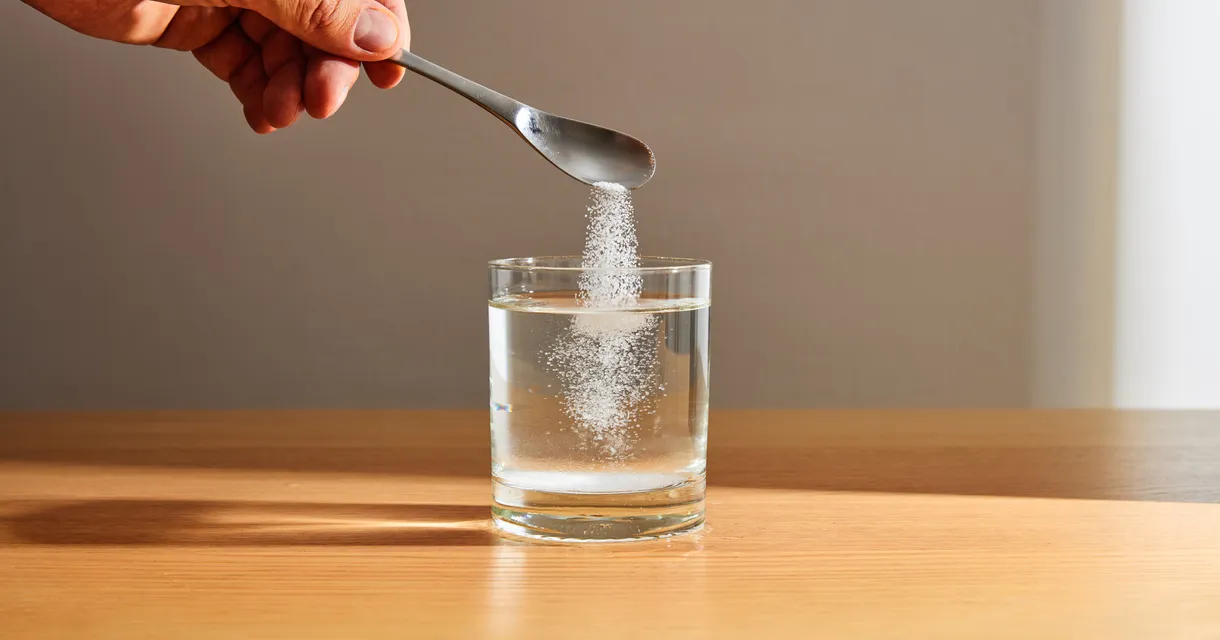
Oral rehydration solutions (ORS) are specially formulated drinks designed to quickly replace fluids lost due to dehydration.
They are widely used to treat conditions such as diarrhoea, vomiting, or heat-related fluid loss, helping the body recover safely and effectively.
Quick Overview
- Oral rehydration solutions (ORS) restore fluids and electrolytes, making them more effective than water alone during dehydration.
- They work by improving water absorption in the gut, using a balance of glucose and essential salts.
- ORS are commonly used for diarrhoea, vomiting, fever, and excessive sweating, helping prevent dehydration complications.
- Different types are available (sachets, ready-to-drink, tablets), allowing you to choose based on convenience and needs.
- Correct preparation and use are essential, as improper mixing can reduce effectiveness or cause side effects.
How Do ORS Work?
Oral rehydration solutions work by using a precise balance of glucose (sugar) and electrolytes to enhance fluid absorption in the body.
Here’s how the process works step by step:
- ORS contain a mix of water, glucose, and salts (such as sodium and potassium).
- The glucose helps transport sodium across the intestinal wall.
- As sodium is absorbed, water follows through a process called osmosis.
- This allows the body to rehydrate more efficiently than with plain water alone.
- Electrolytes restore balance and support vital functions such as nerve and muscle activity.
This mechanism is particularly important when the body is losing fluids rapidly, such as during diarrhoea or vomiting.
Types of Oral Rehydration Solutions
There are several types of oral rehydration solutions available, each designed to suit different needs and situations. Understanding the options can help you choose the most practical and effective form for you:
- Sachets (powder ORS): These are the most common type of ORS. The powder is dissolved in water according to instructions, creating a balanced electrolyte solution. They are cost-effective, widely available, and ideal for use at home.
- Ready-to-drink solutions: Pre-mixed ORS drinks require no preparation, making them a convenient option when you need quick hydration, especially when travelling or feeling unwell.
- Effervescent tablets: These tablets dissolve in water to create an ORS drink. They are easy to carry and store, making them a practical option for on-the-go hydration.
- Flavoured ORS drinks: Some ORS products are flavoured to improve taste, which can make them easier to consume (particularly for children or people experiencing nausea).
What Do Oral Rehydration Solutions Contain?
ORS formulas are carefully balanced to maximise hydration. Most oral rehydration solutions contain:
- Clean water
- Glucose (or another simple sugar)
- Sodium chloride (salt)
- Potassium chloride
- Citrate or bicarbonate (to help correct acid balance)
This combination helps restore both fluids and electrolytes effectively.
When Should an ORS Be Used?
ORS are recommended whenever there is a risk of dehydration or fluid loss. Common situations include:
- Diarrhoea (including travellers’ diarrhoea)
- Vomiting or nausea
- Fever
- Excessive sweating (e.g., hot weather or exercise)
Recognising dehydration symptoms early is key to preventing complications.
How Should ORS Be Used?
The amount of ORS you need can vary depending on your age and how much fluid you’ve lost:
|
Age |
Recommended intake |
|
Children under 2 years |
50-100 ml after each episode of diarrhoea |
|
Children 2-9 years |
100-200 ml after each episode |
|
Adults |
As much as wanted, up to approximately 2 litres daily |
For more precise dosing (especially in children), ORS intake may also be calculated based on body weight, so it’s best to follow product instructions or medical advice.
How to take ORS
To get the most benefit from oral rehydration solutions:
- Dissolve sachets in safe water, exactly as instructed (do not over-concentrate).
- Sip slowly rather than drinking large amounts quickly.
- Continue even if mild nausea is present.
- Use freshly prepared solution and discard after the recommended time.
- Avoid mixing with other drinks unless advised.
Consistency is key to effective rehydration.
Risks & Side Effects of ORS
ORS are generally safe, but if they are not prepared or used correctly, they may cause salt toxicity (also known as hypernatremia). Possible side effects include:
- Nausea
- Vomiting
- Confusion
- Severe thirst
- Loss of appetite
- Weakness
- High blood pressure
- Kidney damage
When used correctly, side effects are uncommon.
Who Should Avoid ORS?
Although safe for most people, ORS may not be suitable in certain situations. Use caution or seek medical advice if you:
- Have kidney disease
- Have severe heart conditions (such as coronary heart disease, arrhythmia, heart failure, etc.)
- Are on fluid-restricted diets
- Have high blood pressure requiring strict sodium control (by the way, here’s how to keep your blood pressure in check)
- Experience severe dehydration (requires urgent medical care)
Additional Hydration Tips
Alongside ORS, maintaining good hydration habits is essential:
- Drink water regularly throughout the day.
- Eat hydrating foods such as fruits and vegetables.
- Avoid excessive caffeine and alcohol.
- Monitor urine colour as a hydration indicator.
Hydration also plays a role in broader health areas, including weight management. Learn more in our guide on hydration and weight loss.
Guide to Oral Rehydration Solutions — Final Thoughts
Oral rehydration solutions are a simple but highly effective way to treat dehydration and support recovery during illness or fluid loss. Used correctly, they can help restore balance quickly and safely.
Browse our range of trusted oral rehydration solutions and find the right option for fast, effective hydration!
FAQs
What does an oral rehydration solution taste like?
ORS typically has a slightly salty-sweet taste due to its balance of electrolytes and glucose. Some flavoured options are available to improve palatability.
Can I drink ORS daily?
Drinking ORS daily is not recommended unless directed by a healthcare professional. It’s usually intended for short-term use during dehydration. For everyday hydration, water is usually sufficient unless advised otherwise.
How long does it take to recover from dehydration?
Mild dehydration can improve within a few hours with proper fluid intake. More severe cases may take longer and require medical care.
Is ORS better than water for dehydration?
Yes, in cases of severe dehydration caused by fluid loss, ORS is more effective than water because it replaces both fluids and electrolytes. For mild dehydration, plain water is usually sufficient.
Can children use ORS safely?
Yes, ORS is commonly recommended for children, but dosage should follow medical advice or product instructions.
Published 10th August 2026 by

Allan Green
Registered Pharmacist & Head of E-commerce
Allan has been a Registered Pharmacist for 25+ years
He specializes in Ecommerce and Over the Counter medicines.
He is a Registered Pharmacist, who studied at University of Bradford.
He has been with Weldricks since 2006, starting as a branch manager before moving into area management and deputy superintendent roles.
His current responsibilities include web development, marketing, content, customer service and web operations teams.
Related Products
-
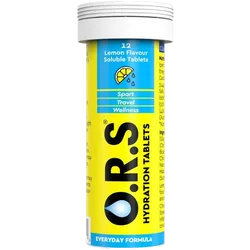
ORS Hydration Tablets Lemon Pack of 12 £3.75 save £1.15
-
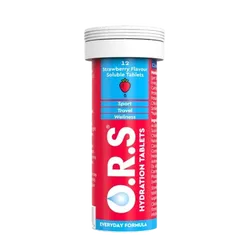
ORS Hydration Tablets Strawberry Pack of 12 £3.75 save £1.15
-
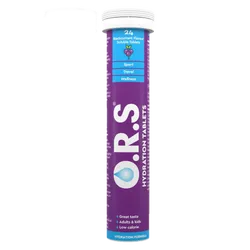
ORS Hydration Tablets Blackcurrant Pack of 24 £5.89 save £2.10
-
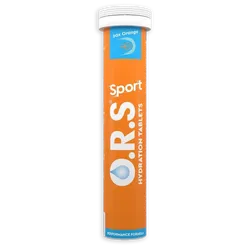
ORS Hydration Tablets Sport Orange Pack of 20 £6.49 save £2.50
-
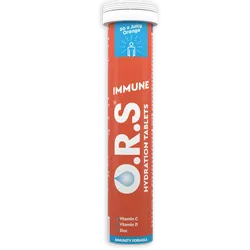
ORS Hydration Tablets Immune Juicy Orange Pack of 20 £6.49 save £1.90
-
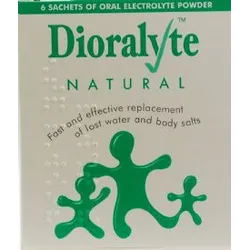
Dioralyte Supplement Sachets Natural Pack of 6 £4.69 save £0.30
-
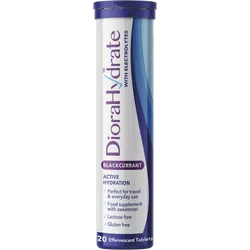
DioraHydrate Blackcurrant Hydration Tablets Pack of 20 £8.08 save £0.91
-
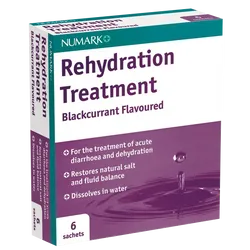
Numark Rehydration Treatment Sachets Pack of 6 £2.48 save £0.81