What’s the Best Pain Relief for Muscle Pain? What Works for Joints & Muscles
In this guide

Muscle and joint pain are common issues that can affect daily life, whether caused by exercise, strain, or underlying conditions.
Finding the best pain relief for muscle pain depends on the cause, severity, and your personal needs.
In this guide, we explore effective options (from medications and topical treatments to natural remedies) so you can manage pain safely and effectively.
What Is Muscle Pain?
Muscle pain (also known as myalgia) refers to discomfort, soreness, or aching in the muscles. It can affect a single area (such as the back, neck, or legs) or be more widespread across the body.
This type of pain may feel like:
- A dull ache or stiffness
- Sharp pain during movement
- Tenderness when touched
- Tightness or reduced flexibility
In many cases, muscle pain is temporary and improves with rest and simple treatments. However, persistent or severe pain may require further attention.
What Is Muscle Pain Caused By?
Muscle pain can have a variety of causes, including:
- Overuse or intense exercise, which can lead to muscle strain and sports injuries
- Poor posture (e.g., neck or back pain from sitting)
- Stress and muscle tension
- Dehydration or nutrient imbalances
- Viral or bacterial infections, which can trigger inflammation in the body
- Some metabolic disorders (e.g., hypothyroidism, electrolyte imbalances, etc.)
- Neuromuscular disorders
How to Relieve Muscle Pain
There’s no one-size-fits-all solution; the best pain relief for muscle pain often depends on the cause and severity. Below are the most effective options:
1. Oral Pain Relief Medications
Over-the-counter medicines are often the first choice for managing muscle pain.
- Paracetamol: Helps reduce pain but does not treat inflammation. It’s suitable for mild to moderate muscle aches.
- Ibuprofen (NSAIDs): Helps reduce both pain and inflammation, making it useful for strains or swelling.
For more on the differences between Ibuprofen and paracetamol, read our related guide.
Important: Always follow dosage instructions and check suitability, especially if you have underlying conditions.
2. Topical Pain Relief (Creams, Gels & Patches)
Topical treatments are applied directly to the skin and can be very effective for localised pain.
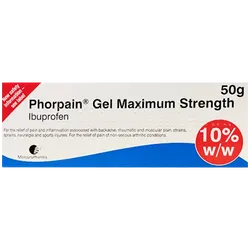
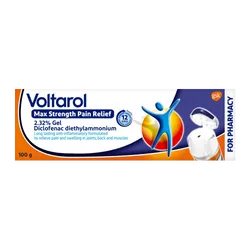
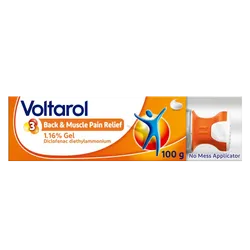
- Anti-inflammatory gels (e.g., ibuprofen gel): Help reduce inflammation at the source
- Heat rubs or patches: Increase blood flow and relax tight muscles
- Cooling gels: Provide a soothing sensation for acute pain
Read also: How Deep Heat Patches Can Bring Back Pain Relief.
3. Heat & Cold Therapy
Simple home treatments can be highly effective:
- Cold therapy (ice packs): Best for recent injuries or swelling
- Heat therapy (heat pads, patches): Helps relax tight muscles and improve circulation
4. Rest, Movement & Gentle Stretching
Rest is important in the early stages of muscle pain, but prolonged inactivity can make stiffness worse.
- Gentle stretching can improve flexibility
- Light movement (walking, mobility exercises) can support recovery
- Avoid overloading the affected muscle too soon
5. Massage & Physical Therapy
Massage can help:
- Reduce muscle tension
- Improve blood flow
- Promote relaxation
For recurring or deeper muscle pain, physiotherapy may be beneficial, especially for posture-related or chronic issues.
6. Hydration & Nutrition
Dehydration and nutrient imbalances (such as low magnesium or potassium) can contribute to muscle cramps and discomfort.
- Drink enough water daily
- Maintain a balanced diet
- Consider whether recovery nutrition is adequate after exercise
Best Pain Relief for Different Types of Muscle Pain
Different areas and causes may benefit from slightly different approaches:
|
Type of muscle pain |
What helps most |
|
Back pain |
Heat therapy, heat patches, and anti-inflammatory gels |
|
Neck pain |
Gentle stretching, posture correction, and topical treatments |
|
Leg muscle pain |
Rest, hydration, and cold or heat therapy |
|
Post-exercise soreness |
Light movement, hydration, and recovery strategies (e.g., stretching, rest) |
When Should You Seek Medical Advice?
While most muscle pain is temporary, you should speak to a healthcare professional if:
- Pain lasts longer than a few weeks
- It’s severe or worsening
- There’s swelling, redness, or fever
- Pain follows a significant injury
- It interferes with daily activities
Best Relief for Muscle Pain — Conclusion
The best pain relief for muscle pain depends on the cause, severity, and how your body responds to treatment.
While medications and topical solutions can provide effective relief, combining them with rest, movement, and simple home remedies often delivers the best results.
Explore a range of trusted pain relief products at Weldricks to support your recovery and everyday comfort!
FAQs
How to relieve sore muscles fast?
Rest, hydration, and applying cold or heat therapy can help relieve sore muscles quickly. Gentle stretching and over-the-counter pain relief may also provide short-term support.
What is the best pain relief cream for muscle pain?
Topical treatments such as anti-inflammatory gels or heat rubs are commonly used for muscle pain. The best option depends on whether inflammation or stiffness is the main issue.
Can muscle pain go away on its own?
Yes, mild muscle pain often improves within a few days with rest and simple care. However, persistent pain may need further evaluation.
Can exercise help muscle pain or make it worse?
Light movement can support recovery, but intense activity too soon may worsen the pain. Gradual return to activity is usually recommended.
Published 13th August 2026 by

Allan Green
Registered Pharmacist & Head of E-commerce
Allan has been a Registered Pharmacist for 25+ years
He specializes in Ecommerce and Over the Counter medicines.
He is a Registered Pharmacist, who studied at University of Bradford.
He has been with Weldricks since 2006, starting as a branch manager before moving into area management and deputy superintendent roles.
His current responsibilities include web development, marketing, content, customer service and web operations teams.