How Many Days After Ovulation Can You Get Pregnant?
In this guide
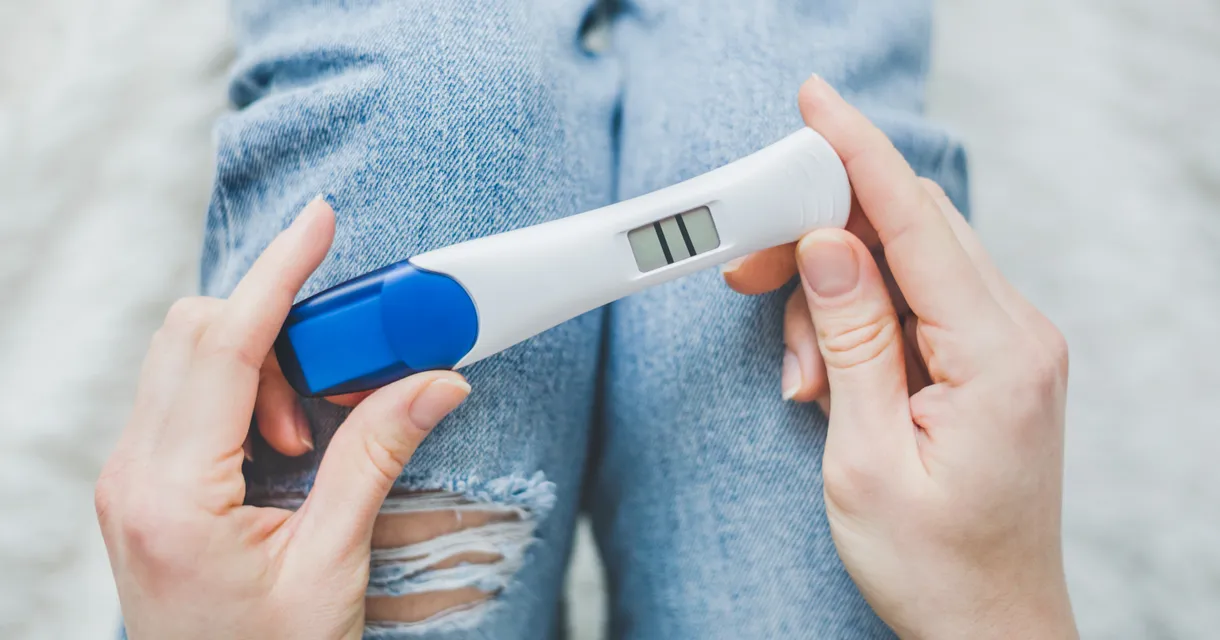
Usually, pregnancy is possible for around 12–24 hours after ovulation, while the egg remains viable. However, your overall fertile window starts earlier because sperm can survive inside the female reproductive tract for several days.
So, can you get pregnant 1, 2 or 3 days after ovulation? Let’s look more closely at your fertile window and chances of pregnancy.
Key Takeaways
- Pregnancy is possible for around 12–24 hours after ovulation, while the released egg remains available for fertilisation.
- Your fertile window begins several days before ovulation, as sperm can survive in the reproductive tract for around 5–7 days.
- The highest chances of pregnancy are generally in the days leading up to ovulation, rather than after it.
- You can track or predict ovulation using your menstrual cycle, cervical mucus, ovulation predictor kits and basal body temperature.
- For the most reliable result, take a pregnancy test from the first day of your missed period.
Understanding Ovulation and the Fertile Window
To understand pregnancy after ovulation, let’s first look at the menstrual cycle. This runs from the first day of one period to the day before the next. An average cycle lasts around 28 days, although regular cycles can be shorter or longer (21 to 35 days is considered a normal range).
The cycle has four main phases:
- Menstrual phase: Your period marks the beginning of a new cycle. If pregnancy has not occurred, oestrogen and progesterone levels fall, and the womb lining is shed.
- Follicular phase: This also begins on the first day of your period. Follicle-stimulating hormone (FSH) promotes the development of follicles containing immature eggs. Usually, one becomes dominant and eventually releases a mature egg.
- Ovulation phase: Rising oestrogen triggers a surge in luteinising hormone (LH), causing the ovary to release an egg. The egg travels into the fallopian tube and can usually be fertilised for around 12–24 hours.
- Luteal phase: After ovulation, progesterone helps maintain the womb lining in preparation for a possible pregnancy. If fertilisation and implantation do not occur, hormone levels fall and your next period begins.
Read also: Period Care 101: Cycle Stages, Symptoms & Relief Tips.
How Soon Can You Ovulate After Your Period?
There is no universal day. In a 28-day cycle, ovulation commonly occurs around day 14, but your ovulation cycle can vary from month to month. If you have shorter cycles, you may ovulate soon after your period finishes.
Want to learn more about fertility and menstruation? Read also our guide: Can You Get Pregnant While on Your Period? All the Medical Facts!
How Many Days After Ovulation Can I Get Pregnant? Day-by-Day Chances
Pregnancy is possible during the first 12-24 hours after ovulation, since this is the time period during which the released egg typically remains available for fertilisation, according to the NHS.
However, your chances of getting pregnant are generally higher before ovulation than after it, because sperm can survive in the reproductive tract for several days (5-7) and be ready to fertilise the egg as soon as it is released.
Let’s take a closer look to the day-by-day chances of pregnancy*:
| Timing of sex | Chances of pregnancy |
|---|---|
| 4 days before ovulation | 18% |
| 3 days before ovulation | 24% |
| 2 days before ovulation | 26% |
| 1 day before ovulation | 21% |
| Day of ovulation | 10% |
| 1 day after ovulation | 1% |
* Source: When in the month are women and men most fertile? [British Fertility Society]
How to Track or Predict Ovulation
Pinpointing ovulation can be difficult, but combining several methods may give you a clearer picture of your fertile window. Let’s take a closer look at the methods you can use to track or predict ovulation:
1. Track Your Menstrual Cycle
Record when each period starts and how long your cycles usually last. Cycle tracking apps can use this information to estimate your next period and likely ovulation date.
However, these are predictions. Stress, illness and natural cycle variations can change when you ovulate, so calendar-based estimates cannot confirm the exact day.
2. Check Your Cervical Mucus
Cervical mucus changes throughout your cycle. As ovulation approaches, your vaginal discharge usually becomes clearer, wetter and more slippery or stretchy.
Learning your normal pattern may help you recognise when you are entering your fertile window, especially alongside another tracking method.
3. Use Ovulation Predictor Kits
Ovulation predictor kits (OPKs) measure the rise in luteinising hormone (LH) in urine that happens shortly before ovulation.
A positive test suggests that ovulation is approaching, making OPKs particularly useful when trying to conceive. However, detecting an LH surge does not guarantee that ovulation actually occurred.
4. Measure Basal Body Temperature
Basal body temperature (BBT) is your temperature when fully at rest. After ovulation, progesterone causes a small rise in BBT.
Recording your temperature at the same time each morning can reveal a pattern over several cycles. As the temperature change occurs after ovulation, BBT is better for confirming that ovulation has probably occurred than predicting it in advance.
How Soon After Ovulation Can You Know If You’re Pregnant?
Pregnancy cannot be detected immediately after fertilisation. The fertilised egg first travels towards the womb and implants before pregnancy hormone levels rise enough to be detected.
That means testing immediately after ovulation is usually too early. For the most reliable result, take a pregnancy test from the first day of your missed period.
Is your pregnancy test positive? Our guide to all the essential vitamins and minerals for pregnancy explains which nutrients you need and how they can support a healthy pregnancy!
Pregnancy After Ovulation — Conclusion
You can usually get pregnant for up to 24 hours after ovulation, although your fertile window begins several days earlier. Keeping track of when you ovulate can help you better understand your fertility and menstrual cycle.
Not planning a pregnancy? Find a contraceptive option that suits your needs by completing our free online contraception assessment and get personalised support from the Weldricks pharmacy team!
FAQs
How many days after ovulation can I get my period?
Your next period generally starts around 10–16 days after ovulation. If you have a missed period following unprotected sex, consider taking a pregnancy test.
Can you get pregnant 2 or more days after ovulation?
Pregnancy from sex 2 or more days after ovulation is very unlikely if the timing of ovulation is accurate. This is because the egg typically remains viable for only around 24 hours after its release. However, pinpointing the exact time of ovulation can be difficult, so estimated ovulation dates may sometimes be inaccurate.
Can you get pregnant from sex before ovulation?
Yes. Sperm can survive for up to 5-7 days, meaning sex in the days before ovulation can result in pregnancy once the egg is released.
What should I do after unprotected sex if I don’t want to get pregnant?
Emergency contraception (morning-after pill) is time-sensitive, so act promptly. For more information on emergency contraception and how it works, read our useful guide.
Can you get pregnant before your first period after giving birth?
Yes. Ovulation can happen before your periods restart, so pregnancy is possible.
If you have recently had a baby, read about contraception after birth and our postpartum recovery guide.
Published 14th October 2026 by

Richard Hackett
Director of Pharmacy Service
My first role in Weldricks was as a Saturday assistant before starting at Bradford University, where I obtained a Master of Pharmacy Degree and qualified as a Pharmacist in 2005.
I started my career as a Pharmacist as the manager of our Swinton branch, before moving between several branches and completing a Clinical post-graduate diploma from Keele University in 2010. After re-joining the company in 2019, I’ve held a number of field and central roles before moving into my current position in 2025. I am responsible for the safe and effective running of our Pharmacy Network, working with all different functions to make this happen.