Travel Constipation: Signs, Causes & Relief Tips
In this guide
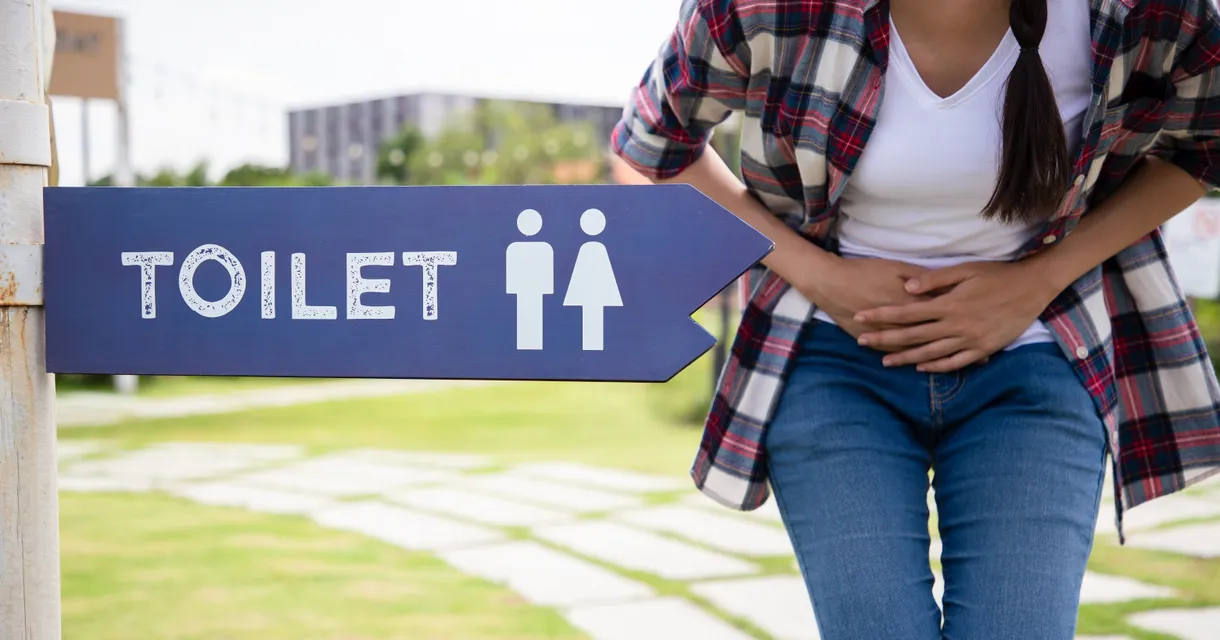
Being unable to poop on holiday is more common than you might think. Travelling can affect your body in various ways, leading to constipation. It’s usually temporary and often improves with simple lifestyle measures.
Below, we explain why travelling can make you constipated, how to recognise it and the best travel constipation relief options to get your bowels moving again.
Quick Overview
- Travel constipation is usually temporary and often improves within a few days as your body adjusts to changes in routine or you return to your usual habits.
- Common signs include fewer bowel movements than usual, hard or lumpy stools, straining, bloating and difficulty fully emptying your bowels.
- Changes in hydration, diet, activity levels, toilet habits and daily routine can all contribute to constipation while travelling.
- For travel constipation relief, focus on drinking enough fluids, gradually increasing fibre, limiting high-fat, low-fibre foods, and staying physically active.
- If lifestyle measures are not enough, short-term laxatives may help, with options including bulk-forming, osmotic, stimulant, and stool-softening laxatives.
How Do I Know I’m Constipated?
There is no single “normal” number of bowel movements: some people poo more than once a day, while others naturally go only a few times per week.
Constipation is therefore about changes in both frequency and how easily you can pass a stool.
You may be constipated if:
- You have had a poo fewer than 3 times a week
- You are pooing less often than usual
- Your stools are hard, dry or lumpy
- You have to strain or find it difficult to poo
- You feel as though you have not completely emptied your bowels
- You experience bloating, stomach ache or cramps
- You feel sick or have a reduced appetite.
Why Am I Getting Constipated on Holiday?
Travel can change several aspects of everyday life at once, which helps explain why your normally predictable bowel habits can suddenly become less regular. Here are some of the most common reasons why constipation can occur while you’re away:
- Your routine changes: Different meal, sleep and toilet times can disrupt the regular rhythm of your digestive system. Crossing time zones may further affect your body clock and bowel habits.
- You are not drinking enough: Flights, hot weather, sightseeing and simply forgetting to drink can reduce your fluid intake. Insufficient fluid can contribute to harder, drier stools that are more difficult to pass.
- Your diet is different: Holiday eating may mean less fibre and more processed or high-fat foods than you usually consume. Even simply eating unfamiliar foods can alter your normal digestive routine.
- You are moving less: Long flights, car journeys and days spent relaxing can mean prolonged periods of sitting. Regular physical activity helps support normal bowel movement.
- You ignore the urge to poo: Avoiding unfamiliar or public toilets is understandable, but repeatedly delaying a bowel movement allows stools to remain in the colon for longer, where more water can be absorbed.
- Travel makes you stressed: Airports, delays and unfamiliar surroundings can cause stress or anxiety, which may affect digestive function and bowel habits.
Do you often find yourself struggling with digestive issues when travelling? Read our guide on how to keep your gut healthy abroad for practical tips on managing common holiday tummy troubles!
How Long Does Travel Constipation Last?
There is no exact recovery time because everyone’s normal bowel habits are different. However, travel constipation will often resolve within a couple of days, particularly once your body adapts to your destination or you return to your usual routine.
Caution! If your constipation continues despite trying lifestyle changes or appropriate treatment, speak to a pharmacist or GP. Persistent or recurring constipation may have another underlying cause rather than being related solely to travel.
How to Deal With Travel Constipation
Travel constipation relief usually begins with restoring some of the habits that keep your bowels regular at home. Here are some practical steps to try:
1. Drink Plenty of Fluids
Start with one of the simplest measures: keep yourself well hydrated.
Not drinking enough is a common cause of constipation because it can contribute to stools becoming dry and difficult to pass.
Make sure you:
- Keep a water bottle with you when sightseeing.
- Drink regularly throughout the day.
- Pay particular attention to hydration during flights and in hot climates.
Also, try not to rely heavily on alcohol, especially if it means you are drinking less water.
Staying hydrated can do much more than support bowel regularity while you’re away. Read our related article to discover how hydration is linked to weight loss and learn practical ways to make sure you’re drinking enough each day.
2. Gradually Increase Your Fibre Intake
Fibre helps support healthy bowel movements, but holiday diets can sometimes contain much less of it than you eat at home.
Try adding fibre-rich options throughout the day, such as:
- Wholegrain bread and cereals
- Oats
- Apples, pears, berries, and dried fruit
- Vegetables (carrots, celery, broccoli, etc.)
- Beans, lentils and other pulses
- Nuts and seeds
Expert tip: Increase fibre gradually rather than suddenly, as a rapid increase can cause additional bloating and discomfort. Make sure you also drink enough fluids when increasing your fibre intake.
3. Limit High-Fat, Low-Fibre Foods
Holiday meals can sometimes include more fried, processed or high-fat foods and fewer fibre-rich options than your usual diet.
While you do not need to avoid fat altogether, eating too many foods that are high in fat but low in fibre may make it harder to maintain regular bowel movements.
Try to limit foods such as:
- Fried foods and fast food
- Crisps and similar processed snacks
- Pastries, cakes and biscuits
- Large portions of fatty or processed meats
4. Stay Physically Active
Long journeys often involve hours of sitting, and your holiday itself may be less active than everyday life. Gentle activity such as walking can help support normal bowel movement.
Depending on your destination and holiday style, you could:
- Explore your destination on foot instead of using transport for every journey.
- Take a short walk after meals, particularly when you have spent much of the day sitting.
- Go swimming if you are staying near a beach or have access to a pool.
- Try hiking or trekking if you prefer a more active or adventurous holiday.
- Go cycling to combine sightseeing with physical activity.
- Try water activities, such as surfing, paddleboarding or kayaking, on seaside holidays.
- Stretch and walk around regularly during long journeys whenever it is safe and practical to do so.
You don’t need an intense workout; simply finding opportunities to move throughout your holiday can help you stay active and support bowel regularity.
5. Don’t Ignore the Urge to Go
A different bathroom, lack of privacy, or being out sightseeing can make it tempting to postpone going to the toilet. However, regularly ignoring the urge can contribute to constipation.
When you feel the need to poo, give yourself enough time and try not to delay it. If possible, maintain a similar toilet routine to the one you follow at home.
6. Try a Better Toilet Position
How you sit can make passing a stool easier. Place your feet on a low stool or similar stable support where available so that your knees sit above your hips, then lean forward slightly.
This position can make it easier to empty your bowels without excessive straining. Give yourself time rather than trying to force a bowel movement.
7. Consider a Laxative for Short-Term Relief
If diet and lifestyle measures are not enough, a pharmacist may recommend a laxative. These medicines help you poo more regularly, but different types work differently and vary in how quickly they take effect:
|
Type of laxative |
How it works |
Examples |
|---|---|---|
|
Bulk-forming |
Increases the bulk of stools, helping stimulate bowel movement |
Ispaghula husk (Fybogel) |
|
Osmotic |
Draws water into the bowel to soften stools and make them easier to pass |
Macrogol (Laxido, Movicol), lactulose |
|
Stimulant |
Stimulates the muscles of the bowel to help move stools along |
Bisacodyl, senna |
|
Stool-softener |
Helps soften stools, making them easier to pass |
Docusate |
Most laxatives work within around 3 days, although some stimulant laxatives can act sooner. They should generally be used for a short period and according to the instructions provided. If you have used a laxative for three days without improvement, speak to a pharmacist or doctor.
Not sure how the options differ? Read our comparison of Laxido, Movicol, Fybogel and lactulose or learn more about how lactulose works.
Travel Constipation — Conclusion
Travel constipation is usually temporary, and restoring everyday habits (adequate hydration, fibre intake, consistent toilet routine, etc.) can often help get your bowels back on track.
If these measures are not enough, short-term constipation treatments may help, while persistent or recurrent symptoms should be discussed with a healthcare professional.
Preparing for your next trip? Explore Weldricks’ range of travel medicine to keep useful healthcare products close at hand while you’re away!
FAQs
Does flying affect my bowel movements?
It can. Flying often combines several potential triggers for constipation, including prolonged sitting, changes to meal and sleep schedules and disruption to your normal toilet routine. Changes in cabin pressure can also cause gas within the digestive tract to expand, contributing to bloating and discomfort, although this is not itself the same as constipation.
Should I take a laxative before travelling to prevent constipation?
Laxatives are generally used to treat constipation rather than routinely taken “just in case”. If you regularly experience significant travel constipation, ask a pharmacist or GP whether carrying a particular treatment is appropriate for you and when you should use it. Avoid taking more than the recommended dose.
Published 2nd September 2026 by

Allan Green
Registered Pharmacist & Head of E-commerce
Allan has been a Registered Pharmacist for 25+ years
He specializes in Ecommerce and Over the Counter medicines.
He is a Registered Pharmacist, who studied at University of Bradford.
He has been with Weldricks since 2006, starting as a branch manager before moving into area management and deputy superintendent roles.
His current responsibilities include web development, marketing, content, customer service and web operations teams.