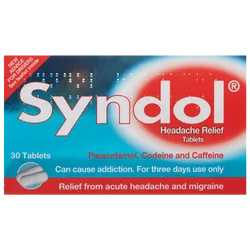
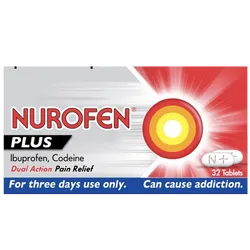
- This medicine contains codeine which can cause addiction if you take it continuously for more than 3 days. This can give you withdrawal symptoms from the medicine when you stop taking it.
- If you take this medicine for headaches for more than 3 days it can make them worse.
Do not take Syndol if:
- you are allergic to codeine, paracetamol, doxylamine succinate, caffeine or any of the ingredients of this medicine. Signs of an allergic reaction include a rash and breathing problems. There can also be swelling of the legs, arms, face, throat or tongue
- you are having an asthma attack or have severe breathing problems
- you have recently had a head injury
- you have been told by your doctor that you have increased pressure in your head. Signs of this include headaches, being sick (vomiting) and blurred eyesight
- you have recently had an operation on your liver, gall bladder or bile duct (biliary tract)
- you are at risk of blocked intestine (paralytic ileus)
- you are taking other medicines containing codeine or any other paracetamol-containing products
- you are taking a medicine of the class known as Monoamine Oxidase Inhibitors (MAOIs, e.g. selegiline, moclobemide), which are used as antidepressants, or if you had taken any medicine of this group in the past 14 days
- you are an alcoholic
- the person going to take the tablets is under 12 years of age
- you are under 18 years of age and have had your tonsils or adenoids removed due to Obstructive Sleep Apnoea Syndrome
- you know that you metabolise very rapidly codeine into morphine
- you are breast-feeding or planning to breastfeed.
Talk to your doctor or pharmacist before taking Syndol if:
- you have liver, kidney, thyroid or heart problems and/or are elderly or of a weakened state
- you have high blood pressure, problems with the prostate gland, obstructive bowel problems, acute abdominal conditions (e.g. peptic ulcer), hormonal problems, problems passing urine or have had recent gastrointestinal surgery
- you are in shock, have gallstones, glaucoma, or a disease called myasthenia gravis (a condition which weakens muscles) or a history of fits
- you have a history of mood swings, alcohol or drug abuse or are under psychiatric treatment
- you are taking a benzodiazepine (used for treatment of anxiety or sleep disorders), e.g. diazepam, clobazam, lorazepam, chlordiazepoxide, oxazepam, temazepam, nitrazepam, loprazolam, lormetazepam or clonazepam.
Codeine is transformed to morphine in the liver by an enzyme. Some people have a variation of this enzyme: in some, morphine is not produced or produced in very small quantities and it will not provide enough pain relief; others are more likely to get serious side effects because a very high amount of morphine is produced. If you notice any of the following side effects, you must stop taking this medicine and seek immediate medical advice: slow or shallow breathing, confusion, sleepiness, small pupils, feeling or being sick, constipation, lack of appetite.
Other medicines
While taking Syndol you should not take any other medicines which contain paracetamol, including some painkillers and cough and cold remedies. Do not take this medicine, and tell your doctor or pharmacist, if you are taking MAOIs (e.g. moclobemide, phenelzine, tranylcypromine) or have taken them in the last two weeks. Tell your doctor or pharmacist if you are taking or have recently taken: medicines which make you drowsy or sleepy (e.g. barbiturates, anaesthetics, hypnotics, other opioid analgesics, anxiolytic sedatives, antipsychotics, tricyclic antidepressants and phenothiazines) or a benzodiazepine; medicines for high blood pressure (diuretics and antihypertensives); antidepressants; antipsychotics; antimuscarinics (e.g. atropine, hyoscine); neuromuscular blockers (e.g. tubocurarine); blood thinners such as warfarin (or other coumarins); metoclopramide or domperidone; colestyramine; hydroxyzine; mexiletine; kaolin or loperamide; naloxone; naltrexone; cimetidine; cisapride; quinidine; the oral contraceptive pill.
Concomitant use of opioids and benzodiazepines increases the risk of drowsiness, difficulties in breathing (respiratory depression), coma and may be life-threatening. You should only take these together if prescribed by a doctor.
Alcohol: avoid alcohol whilst taking Syndol.
Children and adolescents: codeine should not be used for pain relief in children and adolescents after removal of their tonsils or adenoids due to Obstructive Sleep Apnoea Syndrome. Codeine is not recommended in children with breathing problems, since the symptoms of morphine toxicity may be worse in these children.
Pregnancy and breast-feeding: if you are pregnant or breast feeding, think you may be pregnant or are planning to have a baby, ask your doctor or pharmacist for advice before taking this medicine. Do not take Syndol and speak to your doctor if you are in the last three months of pregnancy, in labour, or breast-feeding. Codeine and morphine pass into the breast milk.
Driving: Syndol can affect your ability to drive as it may make you sleepy or dizzy. Do not drive while taking this medicine until you know how it affects you. It is an offence to drive if this medicine affects your ability to drive.
Other ingredients: contains lactose; if you have been told by your doctor that you have an intolerance to some sugars, speak to your doctor before taking this product. Contains sunset yellow (E110) and quinoline yellow (E104), which may cause allergic reactions. Less than 1 mmol sodium (23 mg) per tablet, that is to say essentially 'sodium-free'.
Possible side effects
Stop taking Syndol and see a doctor or go to a hospital straight away if:
- you have a rash, fever, swelling, bruising or tiredness
- you have difficulty in breathing or you feel dizzy
- you get swelling of the hands, feet, ankles, face, lips or throat which may cause difficulty in swallowing or breathing. You could also notice an itchy, lumpy rash (hives) or nettle rash (urticaria). This may mean you are having an allergic reaction
- you get serious skin reactions. Very rare cases have been reported.
Talk to your doctor straight away if you notice the following serious side effects:
- severe stomach pain, which may reach to your back. This could be a sign of inflammation of the pancreas (pancreatitis). This is a very rare side effect
- you get infections or bruise more easily than usual. This could be because of a blood problem (such as agranulocytosis or thrombocytopenia)
- yellowing of the skin or the whites of the eyes.
Tell your doctor or pharmacist if any of the following side effects gets serious or lasts longer than a few days: feeling sick (nausea); being sick (vomiting); low blood pressure (causing light-headedness or fainting when standing up); confusion; depression; difficulties sleeping; shaking, fits; irregular heart beat; stomach pain; sweating; facial flushing; general discomfort; loss of appetite; very slow or shallow breathing; shortness of breath; hallucinations, nightmares; cramps or stiffness; becoming dependent on codeine.
Other effects that may occur are constipation, headache, drowsiness, dizziness, restlessness, difficulties passing urine, dry mouth, blurred vision, diarrhoea, thick phlegm.
How do I know if I'm addicted? If you take the medicine according to the instructions on the pack it is unlikely that you will become addicted to the medicine. However, if the following apply to you it is important that you talk to your doctor: you need to take the medicine for longer periods of time; you need to take more than the recommended dose; when you stop taking the medicine you feel very unwell but you feel better if you start taking the medicine again.
You can report side effects via the Yellow Card Scheme at www.mhra.gov.uk/yellowcard or search for MHRA Yellow Card in the Google Play or Apple App Store.
Storage: keep out of the sight and reach of children. Store below 25°C in the original packaging to protect from moisture.