What Kills a Sore Throat Fast? The Best Treatments for Quick Relief!
In this guide

A sore throat is very common and can make swallowing, talking, and even breathing uncomfortable.
Fortunately, there are several fast and effective sore throat treatments that can help relieve throat pain quickly.
In this guide, we’ll talk about what kills a sore throat fast, so that you get back to normal as soon as possible.
Key Takeaways
- The best sore throat treatments include both medicines and home remedies, such as painkillers, throat lozenges, sprays, honey, and salt water gargles.
- Most sore throats are caused by viral infections, such as the common cold or flu, and usually improve within 3–7 days. Other possible causes include bacterial infections, allergies, dry air, etc.
- See a GP if symptoms last longer than a week or become severe, as a bacterial infection like strep throat may require antibiotics.
What Are the Best Sore Throat Treatments?
The most effective options generally fall into two categories: medicines (OTC or prescription) and home remedies.
Medicines for Fast Sore Throat Relief
1. Painkillers
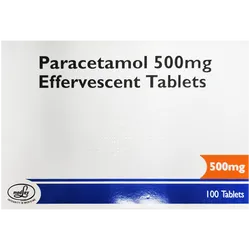
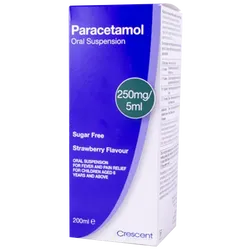
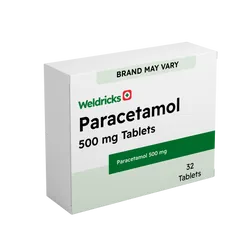
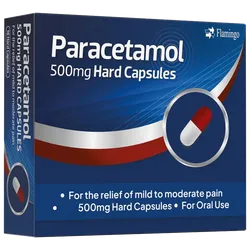
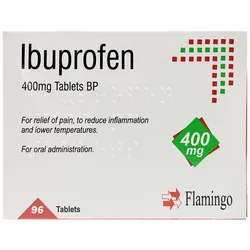
Pain-relieving medicines such as paracetamol or ibuprofen can help reduce throat pain and inflammation.
They may also help relieve other symptoms, such as headaches, earaches, or sinus pressure.
Painkillers are commonly recommended for a sore throat caused by colds, flu, or throat infections.
2. Antibiotics
Your GP may prescribe antibiotics if they confirm a bacterial infection, most commonly strep throat caused by Streptococcus bacteria.
Antibiotics work by killing the bacteria responsible for the infection, which can help:
- Reduce the duration of symptoms
- Prevent complications (e.g., rheumatic fever)
- Lower the risk of spreading the infection to others
However, antibiotics do not work against viral infections, which are responsible for most sore throats linked to colds or flu.
Read also: Cold or Flu? Which One You Have & How to Tell!
3. Throat Lozenges & Sprays
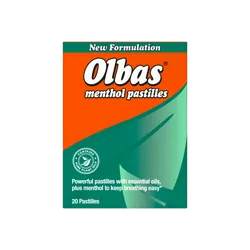
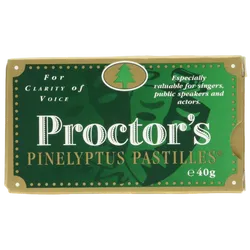
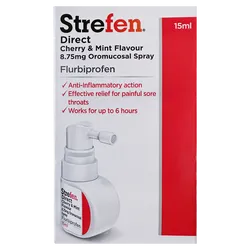
Medicated lozenges and throat sprays can help relieve sore throat symptoms by delivering soothing or numbing ingredients directly to the affected area. These products may contain local anaesthetics, antiseptics, or anti-inflammatory medicines.
They can help by:
- Numbing the area to temporarily relieve throat pain.
- Lubricating the throat, helping to reduce dryness and discomfort.
- Providing a cooling sensation, which can ease burning sensations.
- Fighting infection.
-
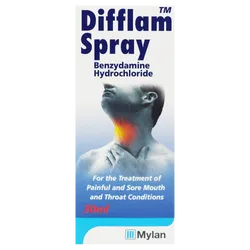
Difflam Throat & Mouth Spray 30ml £6.99 save £2.50
-
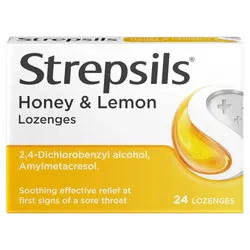
Strepsils Lozenges Honey & Lemon Pack of 24 £4.39 save £0.46
-
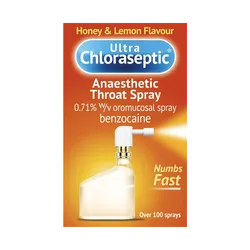
Ultra Chloraseptic Anaesthetic Throat Spray Honey and Lemon 15ml £4.79 save £1.36
-
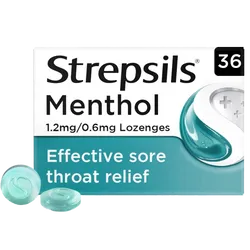
Strepsils Menthol Lozenges Pack of 36 £4.99 save £0.90
-
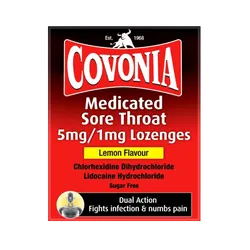
Covonia Medicated Sore Throat Lozenges Lemon Pack of 36 £6.39 save £1.41
-
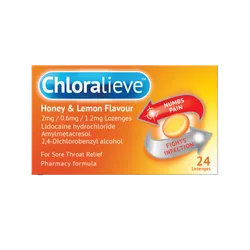
Chloralieve Honey & Lemon Lozenges Pack of 24 £5.39 save £0.36
-
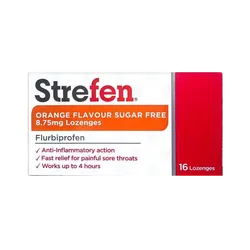
Strefen Lozenges Orange Sugar Free Pack of 16 £5.98 save £1.01
4. Cough Syrups
If your sore throat is accompanied by a dry cough, cough syrups can help soothe irritation and reduce coughing.
Persistent coughing can further irritate your throat, so quickly managing the cough is important to speed up recovery. Learn more about how to treat a cough in our useful guide!
Home Remedies for Sore Throat
In addition to medicines, several home remedies can help soothe throat irritation and promote faster healing:
5. Honey
Honey’s antibacterial and anti-inflammatory properties can help soothe your sore throat and reduce irritation.
Mix 1-2 teaspoons of honey into a cup of warm water or tea. Alternatively, you can just eat a spoonful of it.
However, honey should not be given to children under one year old, as it can increase the risk of botulism.
6. Salt Water Gargle
Salt water can reduce throat swelling and kill harmful bacteria.
Dissolve half a teaspoon of salt in a glass of warm water and gargle for 15-30 seconds every 3 hours, but never swallow it.
Pharmacist’s tip: Salt water can help soothe irritation and discomfort, but it can’t cure your sore throat, as it can’t address the underlying cause of it.
7. Warm or Cool Fluids
Drinking warm fluids can help:
- Loosen mucus.
- Clear the throat.
- Reduce coughing.
Drinking cool drinks can help:
- Numb pain.
- Reduce inflammation and swelling.
Warm or cool drinks to try for your sore throat
- Warm herbal teas
- Broths or soups
- Warm water with honey and lemon
- Cold water or ice lollies for soothing inflammation
Practical Tips for Faster Recovery
In addition to treatments, you can also do the following to ease symptoms:
- Rest your voice: Talking less helps your throat tissues recover more quickly.
- Stay hydrated: Drinking lots of fluids helps keep the throat moist and prevents dryness.
- Use a humidifier: Dry indoor air can further irritate a sore throat. A humidifier adds moisture to the air and can ease breathing.
- Avoid smoking: Tobacco smoke can irritate the throat lining and slow healing.
- Avoid very spicy or acidic foods: These foods may aggravate throat irritation and increase discomfort.
- Eat cool or soft foods: Soft foods such as yoghurt, soups, mashed vegetables, or smoothies are easier to swallow and less likely to irritate a sore throat. Cool foods can also help soothe inflammation.
- Inhale steam: Breathing in warm steam or a warm shower can help moisten the throat and loosen mucus, which may reduce irritation and ease congestion.
What Causes a Sore Throat?
A sore throat can develop for many different reasons, such as:
- Viral infections, such as the common cold or flu
- Bacterial infections (e.g., strep throat)
- Allergies (e.g., reactions to pet dander or mould)
- Dry air
- Excessive coughing or throat clearing
- Irritants (e.g., smoke)
- Acid reflux, where stomach acid irritates the throat
- Sinus infections, which may lead to mucus draining down the throat
You may also experience throat irritation and similar symptoms all year-round. If that's the case, you may find our guide to perennial rhinitis helpful.
What Are the Main Symptoms of a Sore Throat?
Depending on the underlying cause, the symptoms of a sore throat can vary:
- Pain or irritation in the throat
- Difficulty swallowing
- A burning or scratchy throat sensation
- Dry or tickly throat
- Swollen tonsils
- Hoarse voice
- Redness at the back of the throat
- Bad breath
- Cough
- Runny or blocked nose
When to See a GP for a Sore Throat
Most sore throats improve within 3–7 days and can be effectively managed with home care and over-the-counter treatments.
However, you should see a GP if:
- Your symptoms last longer than a week.
- You have severe throat pain that makes swallowing difficult.
- You have high or persistent fever.
- You have difficulty breathing.
- You make a high-pitched sound as you breathe (stridor).
FAQs about Sore Throat Treatment
1. Can you get a sore throat overnight?
Yes, it is possible to develop a sore throat overnight. This may happen due to viral infections, sleeping with your mouth open, dry air, low humidity, dehydration, allergies, acid reflux, and more.
2. How do I know if my sore throat is viral or bacterial?
Viral sore throats
- Symptoms: Cough, runny nose, nasal congestion, hoarseness.
- Duration: Usually, it goes away within a week.
- Treatment: Antibiotics do not work.
Bacterial sore throats
- Symptoms: Severe pain, fever, swollen tonsils.
- Duration: Symptoms may last longer without treatment, but usually go away after 3-5 days with antibiotics.
- Treatment: It requires antibiotic treatment.
Best Sore Throat Treatments — Final Thoughts
A sore throat can be uncomfortable, but in most cases it improves quickly with the right care.
Combining the right medicines, soothing home remedies, and practical recovery tips can help you recover more quickly.
Explore the full range of Weldricks’ sore throat medicine to help relieve pain and discomfort!
FAQs
Can you get a sore throat overnight?
Yes, it is possible to develop a sore throat overnight. This may happen due to viral infections, sleeping with your mouth open, dry air, low humidity, dehydration, allergies, acid reflux, and more.
How do I know if my sore throat is viral or bacterial?
Viral sore throats
- Symptoms: Cough, runny nose, nasal congestion, hoarseness.
- Duration: Usually, it goes away within a week.
- Treatment: Antibiotics do not work.
Bacterial sore throats
- Symptoms: Severe pain, fever, swollen tonsils.
- Duration: Symptoms may last longer without treatment, but usually go away after 3-5 days with antibiotics.
Treatment: It requires antibiotic treatment.
Published 11th May 2026 by

Allan Green
Registered Pharmacist & Head of E-commerce
Allan has been a Registered Pharmacist for 25+ years
He specializes in Ecommerce and Over the Counter medicines.
He is a Registered Pharmacist, who studied at University of Bradford.
He has been with Weldricks since 2006, starting as a branch manager before moving into area management and deputy superintendent roles.
His current responsibilities include web development, marketing, content, customer service and web operations teams.